
News
Kabir Dangogo: A Luminary in Multiple Realms, Farewell

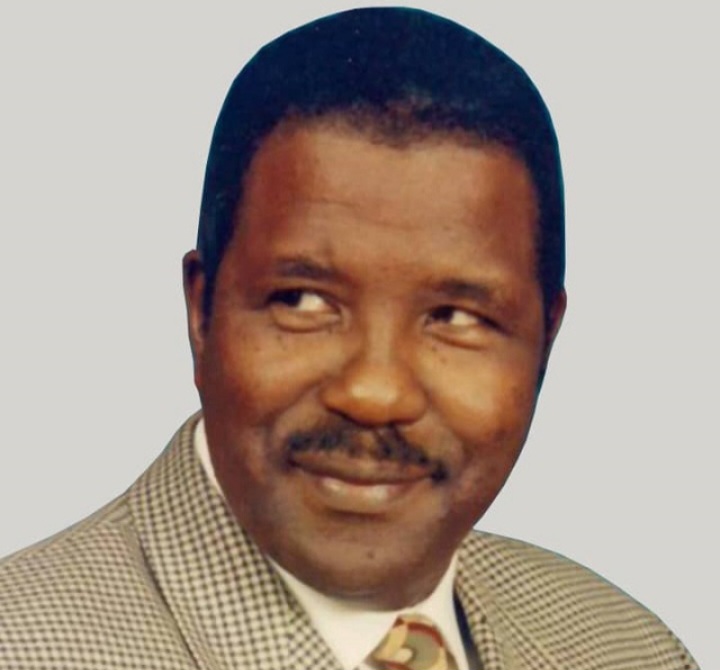
A Tribute by Aliu Akoshile
“How subconscious knowledge that Malam Dangogo had, indeed, endured protracted illness for the past year tempered my bewildering shock,” revealing and emotional tributes the former MD/Editor-in-Chief of Daily Times penned for the Union Bank’s ex-spokesman and doyen of PR
I was deeply saddened by the death of Malam Kabir Dangogo on Thursday, March 6, 2025. I had thought of him earlier that day, but I realised his mobile phone was out of reach. So, I forwarded my messages to his children – Ahmed, Sadiq, and Khadijah (the first and last of whom were named after his parents) – in the hope that their father was hale.
It was not until the early hours of Friday, March 7, that I saw Sadiq’s terse message breaking the grim news. I later discovered that Ahmed, too, had sent me a message at midnight, shortly after his demise. I responded to both of them with the traditional Islamic words of comfort prescribed for such a moment of grief – _innā li-llāhi wa-ʾinna ʾilayhi rājiʿūn_ (Indeed, we belong to Allah and, verily, to Him we will return). What tempered my bewildering shock was the subconscious knowledge that Malam Dangogo had, indeed, endured protracted illness for the past year.
Two years ago, he shared with me his plans to travel abroad for surgery. He had then just recovered from the debilitating impacts of a stroke. So, I understood his reservations about having the surgery done locally. But after weighing the pros and cons of the foreign option, we eventually decided on a private medical centre in the Idu axis of Abuja. I promptly arranged an appointment for him with the surgeon. But before his arrival from Katsina, I met with the doctor several times to revalidate our decision. On one occasion, the Turkiye-trained Ugandan surgeon graphically explained to me the intricate procedure of a thoracic vertebrae surgery. Reputed for his skill and experience, he was teaching me as a professor of medicine would to a sophomore in the medical school.
Thankfully, Mallam Dangogo’s surgery was successful, and he was discharged a few days later, after which he returned to Funtua to recuperate. He made a few follow-up visits to the hospital in Abuja. Interestingly, he never showed any sign of melancholy. Instead, he was cheerful and fully alert, occasionally discussing national and international affairs, his forte. During another visit, while we waited to see the doctor, he engaged in a discussion with a fellow patient an Islamic theological issue regarding the use of _tasbih_ (rosary beads) to count the Muslim litanies instead of using fingers!
Aside from displaying mental alertness, he was also meticulous about keeping records, especially of favours done to him, so he could graciously acknowledge and possibly return them. I recall our lengthy conversation in his hotel room before the surgery, during which he listed the financial support he had received from family, friends, and associates.
Although he hinted to me that he would make a public statement about the donors, I later discovered that he had published the appreciation in _The Guardian_ of July 9, 2023 in which he stated: “Aliu Akoshile made all the contacts with the hospital in Abuja, and he offered to send some money, but I declined. Akoshile proved to be a worthy friend indeed.”
I wondered why a man with such a towering figure and a heart of gold would consider me his friend. No! Mallam Kabiru Dangogo was more than a friend. He was both a mentor and a benefactor. His remarkable act of thoughtfulness transformed my life and career.
I first met Mallam Dangogo in 1997 at a meeting of the Lagos State chapter of the Nigerian Institute of Public Relations (NIPR). He was then a principal manager and head of the PR department at Union Bank, while I was the PR manager of Fayusuf Group, a holding company owned by Chief Fassy A.O. Yusuf, then Ogun State Commissioner for Information, Youth, Sports & Culture. I was impressed by his cosmopolitan demeanour, intellectual rigour, and panache as a quintessential public relations professional.
One day, I visited him in his office and sought advice on job transition. After hearing my story, he asked for my curriculum vitae, which I later delivered to him. From that moment on, I never brought it up again, and neither did he. However, Mallam Dangogo surprised me nearly three years later, in 2001. I will come to that presently. Previously, he had looked for me regarding a job opening in his department that he thought I would be suitable for. At that time, mobile phones were not in vogue, so I was unreachable having travelled. When I returned to Lagos and found his note, I rushed to his office, but it was too late. Francis Barde, whom I later met and we became friends, was the lucky guy! Having missed the opportunity to join Union Bank in 1998, I continued my work at Fayusuf Group, taking on higher responsibilities.
In 1999, Isiaq Ajibola and Mallam Kabiru Yusuf, my former colleague and executive editor, respectively, at Citizen magazine, recruited me as pioneer Lagos Bureau Chief/Assistant Editor of Weekly Trust, a publication they had founded. Weekly Trust later became the Daily Trust titles under the Media Trust Group, in which I’m now a shareholder.
I had settled and was already navigating the intricacies of managing the editorial, business, and operations units of the Bureau. Then suddenly I received an invitation to a job interview with no idea of the company or how I was invited. Anyway, to satisfy my curiosity, I got prepared and decided to attend the interview on the scheduled date. Over a dozen of us were called in, one after the other, to face the five-member interview panel chaired by Alhaji (Dr.) M. I. Yahaya, then immediate past group CEO of Union Bank, which also included Mr. Emmanuel Nnorom, a cerebral chartered accountant and current group CEO of Heirs Holdings.
Weeks later, I received a job offer from NUB International Bank (now a legacy bank of the FCMB) thus making history as the pioneer head of corporate affairs of NUB. I soon discovered that it was Mallam Kabiru Dangogo who submitted the CV I had given him nearly three years earlier without any prodding. This was an incredible moral lesson on fidelity to a mentee and an act of thoughtfulness that not many mortals, including myself, could have done. Between accepting the NUB offer and retaining my Weekly Trust job, I faced, perhaps, the biggest job transition dilemma in my life. I, of course, accepted the new job offer, not merely because of the huge difference in the remuneration but as a modicum of gratitude to Mallam Kabiru Dangogo, a gentleman per excellence.
With academic degrees from esteemed institutions such as Ohio University, Athens, and the University of Leicester, Mallam Dangogo was a trailblazer with a streak of enviable accomplishments in many areas. He was a certified teacher, professional broadcaster, experienced journalist, versatile editor, creative brand reputation manager, dedicated lecturer, astute communication consultant, and rigorous author.
After voluntarily retiring from Union Bank as Assistant General Manager, PR, in 2005, Mallam Dangogo founded Timex Communications, a PR firm and communication training institute in Kaduna, where he relocated. He also published a book, _Beyond the Banking Hall_ to espouse strategic public relations management. As a testament to his commitment to quality education, he gave me ten copies of the book to donate to mass communication departments of several universities.
As I reflect on Mallam Kabiru Dangogo’s life and legacy, I am reminded of his empathy and kindness. He was indeed a true friend, mentor, and benefactor who left an indelible mark on countless lives and careers, including mine. His passing also leaves a significant void in broadcasting, journalism, and especially the PR profession, where he made remarkable strides as a pan-African thought leader.
May his soul rest in peace.
Akoshile, former Managing Director/Editor-in-Chief of Daily Times, can be reached via eic@naturenews.africa
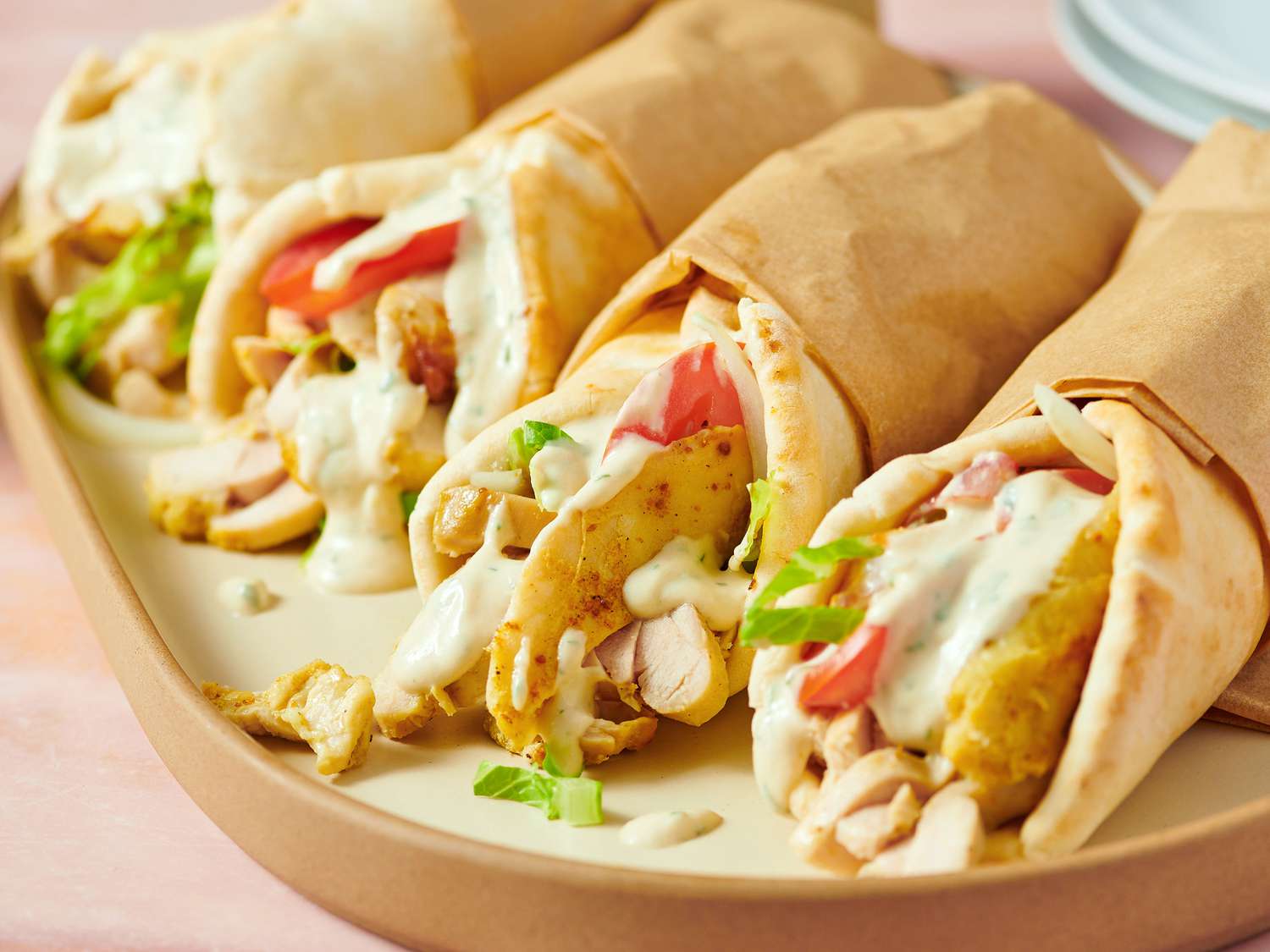
Health professionals have warned that regular consumption of shawarma containing high amounts of salt, sugar, fat, seasoning and processed meat may contribute to hypertension, obesity, diabetes and kidney disease.
Excessive salt can raise blood pressure and put additional strain on the kidneys, while high-calorie sauces may contribute to weight gain.
Nutrition experts advised Nigerians to eat shawarma in moderation, use less mayonnaise and other sauces, choose lean grilled meat and add more vegetables. Consumers were also urged to check vendors’ cleanliness and avoid food prepared where ingredients are exposed to flies, dust or poor handling.
A recent report by experts also warned that frequent consumption of Shawarma may increase the risk of other food-borne infections and long-term health problems.
The report contains documented cases of people who suffered vomiting, diarrhoea, stomach pain and weakness after eating shawarma, with some requiring hospital treatment.
According to the report, poor hygiene could allow bacteria and other contaminants into shawarma, causing illnesses including cholera, dysentery, typhoid and salmonellosis.
It also raised concerns about mayonnaise and creamy sauces kept without proper refrigeration and warned that poor storage could encourage bacterial growth and increase the risk of food poisoning.
A study cited in the report found bacterial contamination in ready-to-eat shawarma sold on the streets
Experts also raised concerns about processed meat such as sausage, noting that the International Agency for Research on Cancer classifies processed meat as carcinogenic to humans.
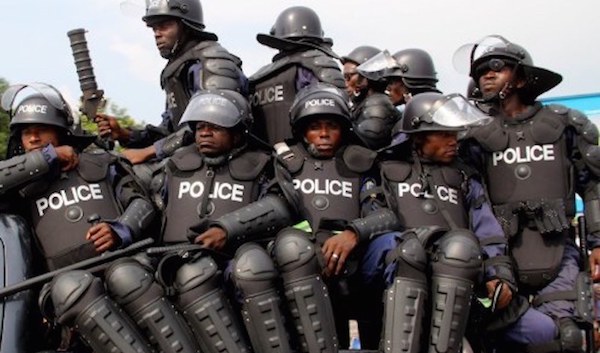
The mystery surrounding the death of a man whose body was found by the roadside in Abuja has taken a new turn, with police tracing the case through his missing mobile phone to a married woman who allegedly spent time with him at a hotel.
The FCT Commissioner of Police, Mohammed Sanusi, disclosed this on Saturday in Abuja, saying investigators arrested Rukayat Muhammed after tracing the deceased’s final communications.
The man was found dead on August 26 along the Kubwa Expressway, near Katampe under the bridge, after his family had earlier reported him missing.
According to the police, the case initially raised suspicion of a possible “one chance” incident. Investigators, however, established that the dead man was the missing person after identifying his remains.
Sanusi said the deceased’s mobile phone was missing and had been switched off. Police investigators subsequently traced his last known communication, leading them to Rukayat, a resident of Garki Area 2.
Investigators reportedly discovered that Rukayat, who is married, was allegedly in a romantic relationship with the deceased. The police said she had saved his contact under the name “Safiyat.”
The CP said the pair had lodged at Good Samaritan Guest House on 2nd Avenue, Gwarinpa, where the man later died.
Sanusi said Rukayat allegedly discovered that the man was no longer breathing but failed to alert the police or hotel management. Instead, she allegedly took his phone and left the hotel.
The case took another turn when hotel management later discovered the man’s body inside the room after attempts to contact the occupants failed.
Rather than reporting the discovery, two hotel staff members, Ibrahim Omeiza and Kefat Bitrus, allegedly removed the body from the room and transported it to the Kubwa Expressway, where they dumped it under the Katampe bridge.
The police said the action was apparently intended to distance the hotel and its management from the death.
Sanusi said detectives were still working to establish exactly how the man died and determine the individual roles of those connected to the incident.
He warned that anyone found to have participated in the death, concealment or abandonment of the body would face prosecution.
The commissioner said the investigation remains ongoing.
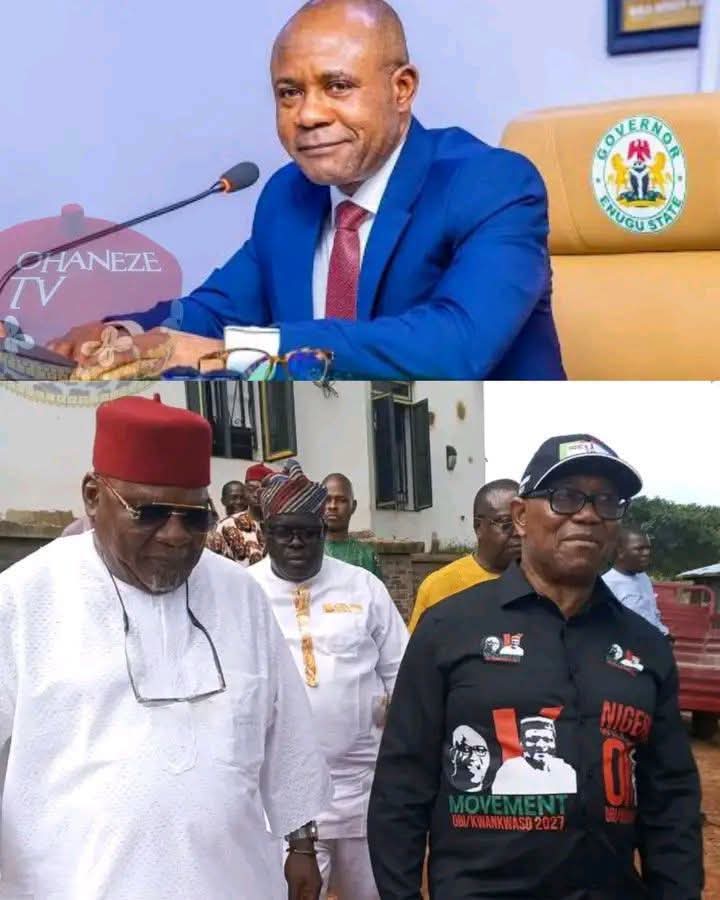
The Enugu State Government has suspended His Royal Majesty, Igwe Eze William Ezugwu, the traditional ruler of Ibagwa Ogbozalla Opi Autonomous Community, in Nsukka Local Government Area of Enugu state.
The state government accused Igwe Ezugwu of violating provisions of the state’s Traditional Rulers Law.
In a letter of suspension dated September 24, the Enugu State Government cited his alleged failure to constitute his cabinet, failure to establish a Town Union governing body, and persistent conduct deemed inconsistent with the laws governing traditional rulers in the state.
The suspension comes barely three weeks after Igwe William Ezugwu received NDC presidential candidate Peter Obi at his palace in Opi, Nsukka LGA, where he reportedly blessed Obi’s presidential ambition.
-

 News2 years ago
Senate to speed up conclusion of Nigeria Forest Security Service Bill
-
 News1 year ago
The Many Lies Against Bashir Haske
-

 News3 years ago
Breaking: Tinubu’s authentic ministerial nominees
-
 News3 years ago
“Anytime we want to kill terrorists, President would ask us to take permission from France but they were killing our soldiers-” Niger Republic coup leader
-
 News3 years ago
“I’m leaving the Catholic church because Bishop Onah is oppressing me,” says Okunerere
-

 News3 years ago
My nude photo leak was a mistake- lawyer Ifunanya
-
 News4 months ago
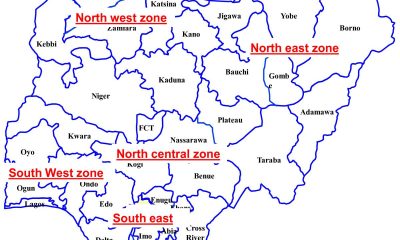
See your state governor’s performance ranking
-

 News3 years ago
Radio Nigeria’s veteran broadcaster Kelvin Ugwu dies three months after retirement from service