News
Road Rebirth: How Governor Ododo is Leveraging Multilateral Partnership to Transform Road Infrastructure in Kogi State

By Ismaila Isah
In a bold move to bridge gaps in Kogi State’s road infrastructure and position it as a model of sustainable development, Governor Ahmed Usman Ododo has embarked on an ambitious strategy of leveraging multilateral partnerships to revitalize rural access, enhance connectivity, reverse environmental degradation and boost agricultural productivity anchored on local content.
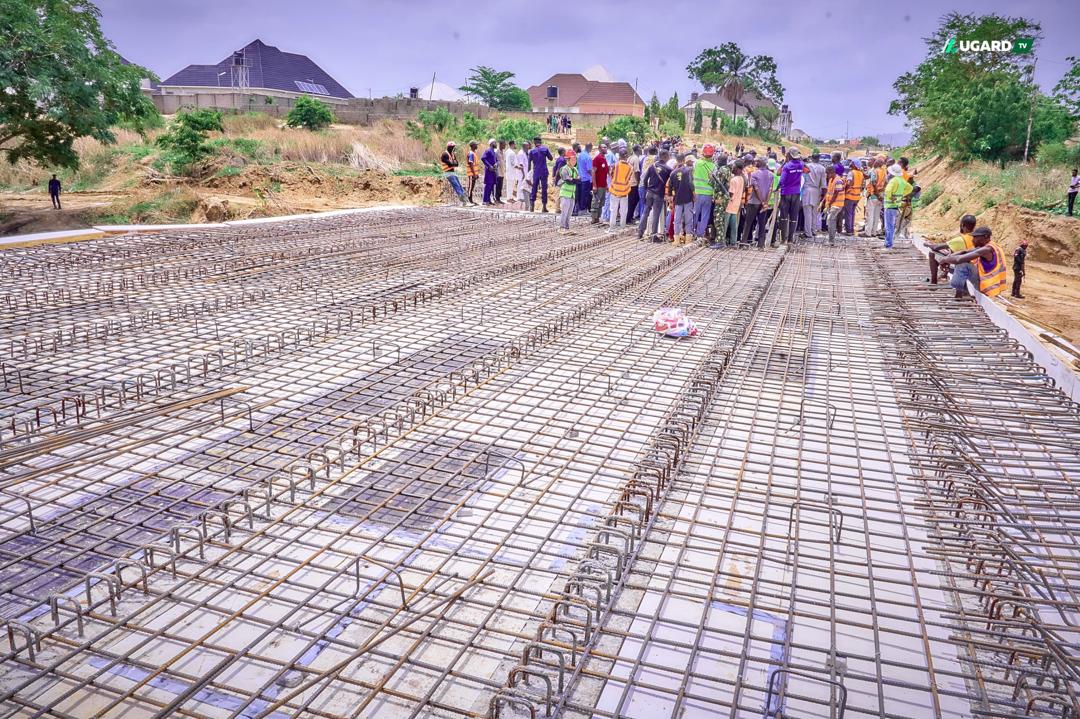
While the state government is currently working on over 400 kilometers of township roads including roads in Omala, Idah, Bassa in Kogi East, Mopamuro, Egbe, Ijumu in Kogi West and in Okene, Okehi and Adavi in Kogi Central, there are currently over 200 kilometres of rural roads connecting about 50 communities across most of the agricultural belts in several local government areas in the state largely enabled by multilateral partnerships and strategic interventions.
Central to this vision innovative multilateral partnerships is the Agro-Climatic Resilience in Semi-Arid Landscape (ACReSAL) with its unprecedented erosion control projects at Etahi in Okene, Olubiojo in Ankpa, and Omigbo in Kabba, representing Kogi Central, East, and Western Senatorial zones respectively worth 29.9 Billion Naira. Equally pivotal is the Rural Access and Agricultural Marketing Project (RAAMP), which has already initiated construction of over 200 kilometres of rural access roads across the state.
These initiatives, implemented in collaboration with multilateral organizations such as the World Bank, African Development Bank (AfDB), and the Federal Government of Nigeria, among other donor agencies, are closely aligned with Governor Ododo’s campaign promises anchored on a commitment of not only transforming Kogi’s physical landscape but at the same time breathing new life into its economy by boosting agricultural output and creating jobs.
RAAMP, an initiative by the World Bank, and the Federal Ministry of Agriculture and Food Security, has emerged as a cornerstone of the administration’s strategy to link rural and agricultural production communities with markets and essential services. In October 2024, Governor Ododo flagged off the construction of 65 kilometres of rural access roads connecting major agro-producing communities in Lokoja, Adavi and Okehi local government areas.
Speaking during the flag-off ceremony at Apata, near Obajana, Governor Ododo emphasized that: “These rural roads are not just transport links, they are lifelines that connect our traders, farmers, and communities, fostering economic growth and food security.
By improving access, we are empowering farmers to compete in regional and national markets, thereby boosting incomes and reducing poverty.”
The Governor maintained that strategic connections to be enhanced by the project marked the beginning of a broader rural road network aimed at enhancing connectivity, lowering transportation costs for farmers, and improving access to markets.
True to the Governor’s manifesto, which pledged to explore innovative financing models such as public-private partnerships for roads and other public infrastructure, the RAAMP initiative is a textbook example, blending international donor support with state-driven priorities to address critical infrastructure gaps in the state.
While RAAMP tackles the rural connectivity challenge, ACReSAL focuses on another pressing concern: environmental degradation and the threat it poses to agricultural sustainability and peoples’ wellbeing. In Etahi, Olubiojo, and Omigbo, years of unchecked seasonal erosion have carved deep gullies, devastating farmlands, and displacing communities. In response, the ongoing ACReSAL environmental remediation projects funded by its partners like the World Bank and implemented in partnership with the Federal Ministry of Environment aim to restore these landscapes through bioengineering and climate-resilient techniques.
Governor Ododo harped on the significance of these projects when he noted: “We are not only building roads and bridges; we are building trust, inclusion, and ownership by ensuring our people benefit directly from the process.”
He further stated that the projects are not merely technical interventions but people-centered solutions designed for long-term impacts, as he stressed during the recent project inspection tour in Kogi Central, emphasizing that the administration has evolved a statewide scope of interventions.
“What we are doing in Kogi Central is also taking place in Kogi East and Kogi West. Our project monitoring teams are also conducting inspections in other parts of the state. We will continue to monitor, evaluate, and complete projects that matter to the people,” he said.
A testament to all-inclusiveness in the development of road infrastructure in the state is visible in the several rural road projects by RAAMP including the 24.1KM Ilai-Ifeolukotun road in Yagba East local government; 19.55KM Aku-Uro-Obajana road, 6.59KM Osara-Atami road, 6.83KM Elubi-Etiaja-Ajakwu- Ulaja road in Dekina local government area, 4.13KM Odidoko-Ugbamaka-Ubojo-Oloyo-Emakpe road in Olamaboro local government area, 16.03KM Eganyi-FFN road in Ajaokuta local government area, 1.33KM EMMCO-Umuaga road in Okene local government area, 2.41KM Aku-UrukuOdoba road in Adavi local government area and the 18.95KM Ibado Akpacha-Ojiaji-Ogudu road in Omala local government area.
These projects are serving as engines of economic empowerment, inclusion, and promoting local content in project delivery.
Current data reveals that over 5,000 skilled and semi-skilled youths are employed across the state, from road construction sites in Obajana, Omala, and Aku to erosion control sites in Ankpa, Okene, and Kabba-Bunu
As Benjamin Oguche, a mason working on one of the ACReSAL project sites in Ankpa, shared:
“I am working on the gully erosion control sites. They (the construction firm) taught us how to lay asphalt and use machinery. Now I can get similar jobs anywhere in the country.”
The ripple effects are already apparent. In Etahi, ongoing construction of roads coupled with erosion control have revitalized community life almost overnight. In Olubiojo and Omigbo, ACReSAL’s land restoration, now over 65% complete, has restored access to fertile lands previously lost to erosion, enabling a return to farming and food production.
As these projects progress across the state, they herald a new era for Kogi. Upon completion, RAAMP’s road networks will connect rural dwellers to schools, healthcare centres, and markets, while ACReSAL’s restoration efforts, supported by over three billion Naira in community revolving loans as well as plans to plant trees for reforestation on 10,000 hectares of land in the state, will safeguard Kogi’s agricultural productivity, the environment and the wellbeing of the people.
Overall, Governor Ododo’s administration is proving that strategic multilateral partnerships can turn campaign promises into tangible progress. By aligning international and national interventions with a clear, community-focused development agenda, he is not just bridging infrastructure gaps, he is building a new Kogi State where collective commitment to sustainability and shared prosperity become a reality for all.
Ismaila Isah is the Special Adviser on Media to the Governor of Kogi State.
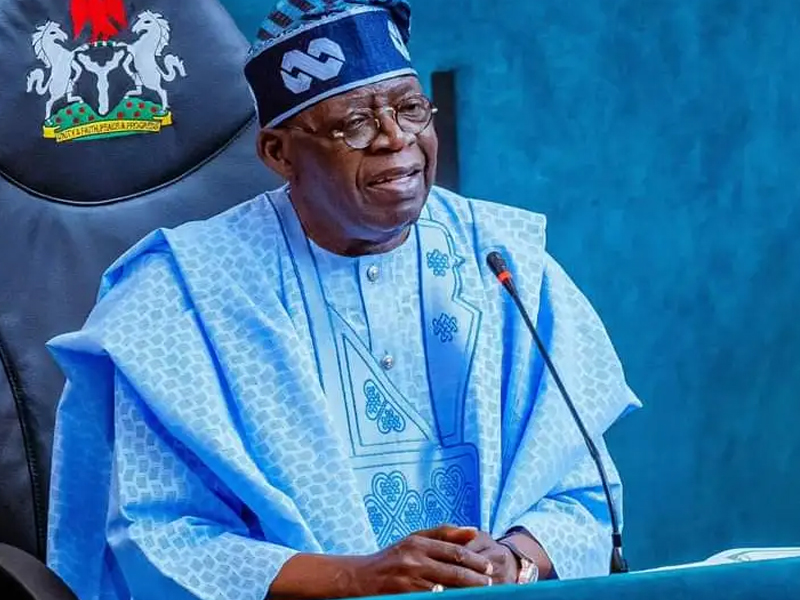
President Bola Tinubu on Monday disclosed that his government has created 650,000 jobs through its National Micro, Small and Medium Enterprises (MSME) Clinics in 19 states of the Federation and the Federal Capital Territory (FCT).
Tinubu also vowed to remove all bottlenecks militating against Nigerians turning ideas and skills into successful businesses.
The President made this known via his verified X handle, @officialABAT and explained that a tailor should not need millions of naira to buy industrial machinery before she can grow her business while a food processor should not have to build a factory before producing at scale.
This, he stated, informed why the Federal Government, “under our Renewed Hope administration, is investing in shared MSME hubs through our National MSME Clinics, giving entrepreneurs access to modern equipment, reliable power and production facilities without carrying the full cost alone.”
According to Tinubu: “Today, 21 shared facilities across 19 states and the FCT are supporting businesses and an estimated 650,000 jobs. ReadPolitical News
“Nigerians do not lack ideas, skill or ambition. Too often, they lack access to the tools and infrastructure needed to turn them into successful businesses.
“Our job is to remove those barriers.
“When small businesses can produce more, at lower cost, they become more competitive. They grow. They employ more people. They create income and opportunity for Nigerian families.
“Giving Nigerian enterprise the tools to succeed is how we build prosperity from the ground up. That is the Nigeria we are building.”

Health professionals have warned that regular consumption of shawarma containing high amounts of salt, sugar, fat, seasoning and processed meat may contribute to hypertension, obesity, diabetes and kidney disease.
Excessive salt can raise blood pressure and put additional strain on the kidneys, while high-calorie sauces may contribute to weight gain.
Nutrition experts advised Nigerians to eat shawarma in moderation, use less mayonnaise and other sauces, choose lean grilled meat and add more vegetables. Consumers were also urged to check vendors’ cleanliness and avoid food prepared where ingredients are exposed to flies, dust or poor handling.
A recent report by experts also warned that frequent consumption of Shawarma may increase the risk of other food-borne infections and long-term health problems.
The report contains documented cases of people who suffered vomiting, diarrhoea, stomach pain and weakness after eating shawarma, with some requiring hospital treatment.
According to the report, poor hygiene could allow bacteria and other contaminants into shawarma, causing illnesses including cholera, dysentery, typhoid and salmonellosis.
It also raised concerns about mayonnaise and creamy sauces kept without proper refrigeration and warned that poor storage could encourage bacterial growth and increase the risk of food poisoning.
A study cited in the report found bacterial contamination in ready-to-eat shawarma sold on the streets
Experts also raised concerns about processed meat such as sausage, noting that the International Agency for Research on Cancer classifies processed meat as carcinogenic to humans.
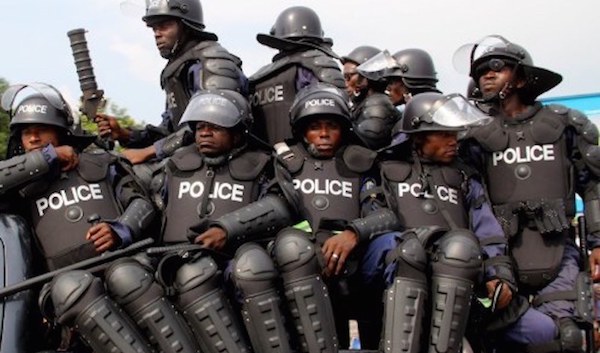
The mystery surrounding the death of a man whose body was found by the roadside in Abuja has taken a new turn, with police tracing the case through his missing mobile phone to a married woman who allegedly spent time with him at a hotel.
The FCT Commissioner of Police, Mohammed Sanusi, disclosed this on Saturday in Abuja, saying investigators arrested Rukayat Muhammed after tracing the deceased’s final communications.
The man was found dead on August 26 along the Kubwa Expressway, near Katampe under the bridge, after his family had earlier reported him missing.
According to the police, the case initially raised suspicion of a possible “one chance” incident. Investigators, however, established that the dead man was the missing person after identifying his remains.
Sanusi said the deceased’s mobile phone was missing and had been switched off. Police investigators subsequently traced his last known communication, leading them to Rukayat, a resident of Garki Area 2.
Investigators reportedly discovered that Rukayat, who is married, was allegedly in a romantic relationship with the deceased. The police said she had saved his contact under the name “Safiyat.”
The CP said the pair had lodged at Good Samaritan Guest House on 2nd Avenue, Gwarinpa, where the man later died.
Sanusi said Rukayat allegedly discovered that the man was no longer breathing but failed to alert the police or hotel management. Instead, she allegedly took his phone and left the hotel.
The case took another turn when hotel management later discovered the man’s body inside the room after attempts to contact the occupants failed.
Rather than reporting the discovery, two hotel staff members, Ibrahim Omeiza and Kefat Bitrus, allegedly removed the body from the room and transported it to the Kubwa Expressway, where they dumped it under the Katampe bridge.
The police said the action was apparently intended to distance the hotel and its management from the death.
Sanusi said detectives were still working to establish exactly how the man died and determine the individual roles of those connected to the incident.
He warned that anyone found to have participated in the death, concealment or abandonment of the body would face prosecution.
The commissioner said the investigation remains ongoing.
-

 News2 years ago
Senate to speed up conclusion of Nigeria Forest Security Service Bill
-

 News1 year ago
The Many Lies Against Bashir Haske
-

 News3 years ago
Breaking: Tinubu’s authentic ministerial nominees
-
 News3 years ago
“Anytime we want to kill terrorists, President would ask us to take permission from France but they were killing our soldiers-” Niger Republic coup leader
-

 News3 years ago
“I’m leaving the Catholic church because Bishop Onah is oppressing me,” says Okunerere
-

 News3 years ago
My nude photo leak was a mistake- lawyer Ifunanya
-
 News4 months ago
See your state governor’s performance ranking
-

 News3 years ago
Radio Nigeria’s veteran broadcaster Kelvin Ugwu dies three months after retirement from service