News
NHRC begins 2026 ‘Access to Justice’ Advocacy, pushes for indigenous philanthropists’ involvement

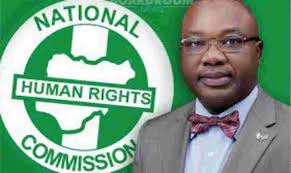
The National Human Rights Commission (NHRC) has commenced activities aimed at enabling greater access to justice for the poor and the indigent, including people living with HIV, drug addicts and others vulnerable persons.
At a meeting with stakeholders in Abuja on Monday, January 19, 2026, the Executive Secretary of the Commission, Dr. Tony Ojukwu SAN, said NHRC is collaborating with the National Agency for the Control of Aids (NACA), National Drug Law Enforcement Agency (NDA), Nigerian Bar Association (NBA) and the Federal Ministry of Justice, among other stakeholders to ensure that everyone plays their part.
He thanked Global Funds for its’ support through various interventions which he said have immensely enabled the Commission take bold steps with and impactful outcome in supporting persons living with HIV and others in need.
Ojukwu identified limited access to justice and lack of awareness as a major obstacle for vulnerable and impoverished individuals who cannot navigate complex legal processes without support.
He said the collaborative spirit of partners, under Global Fund Grant Cycle 7 (GC7) has significantly strengthened Nigeria’s human rights architecture for PLHIV and Key Populations.
He noted that in spite of the huge successes recorded, the landscape for Persons Living with HIV and key populations remains fraught with persistent challenges, including stigma and discrimination which he said, have continued to hinder access to health services, employment, education, and community life, thereby undermining dignity and equal treatment for many Nigerians.
Ojukwu said legal and institutional barriers, including criminalisation based on sexual orientation and identity, exacerbate exclusion and often lead to arbitrary arrests, torture, and cruel or degrading treatment.
According to Ojukwu, structural gaps in awareness, enforcement, and community-level protection persist, despite existing anti-discrimination laws such as the HIV and AIDS Anti-Discrimination Act (2014); adding that the challenges underscore why forums like this are indispensable — not simply as symbolic gatherings, but as strategic platforms for action, coordination, and justice-driven outcomes.
He listed some of the achievements recorded by the commission to include harmonised access to justice mechanism through the establishment of the Access to Justice Coordination Forum which has brought together justice sector actors, community networks, legal aid providers, and government institutions to ensure coordinated, responsive, and rights-based action.
He said that the platform fosters collaboration, accountability, and effective follow-through on justice cases involving PLHIV and key populations.
Ojukwu called for collective efforts and commitment to expanding access to justice for PLHIV and key populations as well as addressing stigma, discrimination, and exclusion in all forms. Strengthening legal frameworks and institutional responses to protect the rights and dignity of every Nigerian.
The theme of discussion was “Access to Justice: Outlook and Challenges for 2026 and Beyond.”
In his presentation, Hillary Ogbonna, Special Adviser to the NHRC Executive Secretary who doubles as Director, Human Rights Department, said drug addicts, People Living with HIV and others with similar conditions, are supposed to be treated as victims and therefore rehabilitated, rather than seen as offenders.
He called on wealthy Nigerians to key into the efforts of Commission to expand access to justice in the country, saying anybody can be a victim of injustice.
He identified international politics and policy shift in the United States and some other countries as one of the challenges faced by rights and advocacy institutions in recent years.
“A major challenge for the programming of protecting human rights for key populations and persons living with HIV in 2025 was the restriction of US Government funding. This impacted on the provision of services including medicines, capacity building and empowerment programmes for these most-at-risk communities. It is important to note that over dependence on development aid has stunted the growth of many African countries, especially in the health and social sectors.
“Perhaps this restriction by the US Government will open new opportunities for domestic resource mobilisations that will see respective African governments like Nigeria to invest in health and other human development sectors. National budgets should be made to work for the poor through social investments and accountable spendings. It should also provide opportunities for local philanthropy to double their efforts in funding development initiatives that supports poor and vulnerable populations,” Ogbonna said.
In a remark, Barrister Nkechi Agha who represented the NDLEA at the event, said while NDLEA works to investigate, uncover, arrest and prosecute big-time drug peddlers and barons behind the illegal trade, the Agency carries out counselling and rehabilitation of minor drug users.
Apolmida Haruna Tsammani from the Ministry of Justice, commended the NHRC for its various efforts on access to justice as well as other activities aimed at protecting the rights of citizens. She said the Ministry was ready at all times, to play its part to ensure that justice is made available to all citizens.
Others who spoke at the event include Dr. Femi Ajayi from United Nations Office for Drug and Crimes (UNODC), representatives of Society for Family Health, Lawyers Alert, UN Systems, NEPWHAN, DHRAN and UNICEF.
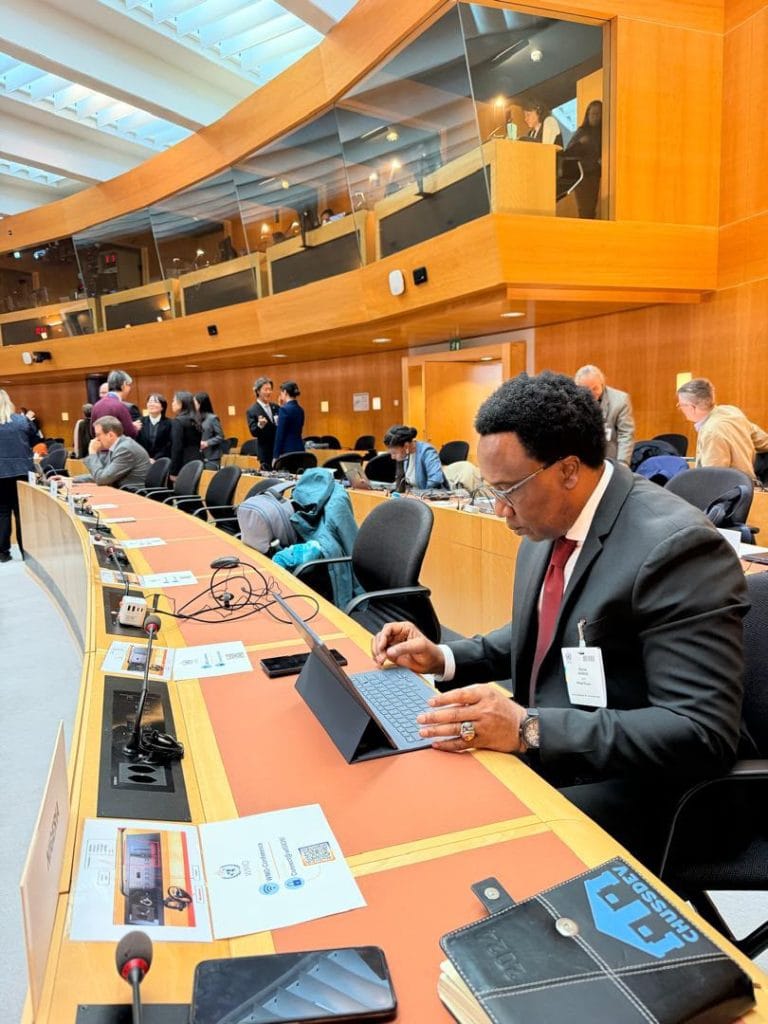
The Director General/CEO of Nigerian Meteorological Agency (NiMet) and Permanent Representative of Nigeria with WMO, Prof. Charles Anosike joins other experts and stakeholders in Geneva for a week-long session of the Commission for Observation, Infrastructure and Information Systems (INFCOM).
The fourth session of INFCOM began on Monday 23rdNovember 2026 and will discuss various technical regulations, competency requirements, standards, cooperations, data generation and exchange including marine, hydrology and cryosphere data, data quality, emerging technologies such as artificial intelligence and machine learning, satellite systems, ICT, etc. that underpin infrastructure on which meteorological, hydrological and related observations depend on.
The next accurate and reliable weather forecast and atmospheric prediction is a function of the quality and quantity of the earth system observations that are available; be it over land, the ocean and in the atmosphere. Hence, the critical importance of the session to all WMO Member Countries, including Nigeria.
Particularly, the first day discussions included WMO Integrated Global Observing System (WIGOS), Global Basic Observing Network (GBON) expansion, the WMO Information System (WIS) improvement, the framework of WMO Integrated Processing and Prediction System (WIPPS), Capacity Development of members, education and training for satellite meteorology, and various competency requirements for officers/experts involved installation, maintenance, calibration, and usage of various instruments for earth system observations.
At a side event on capacity development, the specific role of NiMet as a Peer Advisor in improving observation infrastructure and service delivery for other Meteorological Services on the continent was duly acknowledged.
Journalists in Nigeria have been called upon to adhere to the rules of their profession as they cover the 2027 general election.
The Executive Secretary of the National Human Rights Commission (NHRC), Dr. Tony Ojukwu, SAN, OFR, stated this on Tuesday in Abuja at a media parley organized by the Commission with the theme- “Ethical Journalism and the 2027 General Elections: Promoting Professionalism, Peace and Accountability.”
Ojukwu said the choice of the theme was deliberate because elections are much more than political contests or the transfer of power but fundamental human rights processes involving the rights to freedom of expression, access to information, peaceful assembly, political participation and the right of citizens to freely determine their leaders.
He stated that the media occupies a strategic position as it informs voters, scrutinises political actors, shapes public opinion and provides a platform for democratic engagement.
“However, this influence comes with enormous responsibility, particularly at a time when misinformation, disinformation, hate speech, manipulated digital content and politically motivated narratives are increasingly capable of deepening divisions and undermining public confidence in democratic institutions,’ he said.
Accordingly, Ojukwu said the distinction between responsible journalism and irresponsible reporting can have far-reaching implications for national peace, public safety and the enjoyment of human rights adding that media must therefore remain guided by the principles of accuracy, fairness, verification, balance and respect for human dignity.
“While freedom of expression is fundamental to democracy, its exercise must be accompanied by professional responsibility. Our message is simple: the media must not become a vehicle for electoral division; it must remain an instrument for democratic accountability, peaceful participation and national cohesion.
“At the same time, the responsibility for a healthy media environment does not rest on journalists alone. The Commission recognises that journalists must operate in an environment where media freedom is protected and they can perform their professional duties without intimidation, harassment or unlawful interference. Citizens must also have access to credible information to make informed decisions and participate meaningfully in the electoral process.
“As Nigeria’s National Human Rights Institution, the Commission remains committed to promoting and protecting the rights of journalists and strengthening an environment that supports independent, free and responsible media practice. We recognise that protecting journalists is also about protecting the public’s right to information and safeguarding the democratic space.
“Furthermore, as we prepare for the 2027 General Elections, I encourage media practitioners to pay particular attention to human rights issues in the electoral process. These include voter intimidation, political violence, discrimination, attacks on journalists, restrictions on civic participation and violations of the rights of women, children, persons with disabilities and other vulnerable groups.
“In undertaking this important responsibility, however, we must not lose sight of the safety and security of journalists themselves. Election coverage can expose media practitioners to considerable professional and personal risks, particularly in volatile environments.
“It is in recognition of this challenge that the Commission, in collaboration with the Konrad Adenauer Stiftung, will on the 26th of this month launch a Safety Handbook for Journalists and Media Practitioners. The handbook is intended to provide practical guidance to journalists as they navigate the risks associated with field reporting, particularly during the forthcoming elections. We believe that journalists who inform and defend the public interest must also have the knowledge and support required to protect themselves while carrying out their duties,” Ojukwu stated.
Ojukwu thanked journalists for their partnership with the Commission in carrying out its statutory responsibilities and said their job would have been impossible without journalists
He thanked the Director of the United Nations Information Centre (UNIC), Nigeria, Mr. Ronald Kayanja, Civil Society Organisations; Directors and staff of the National Human Rights Commission for attending the parley.
“This gathering represents more than an annual meeting between the Commission and its media partners. It is an opportunity to appreciate your invaluable contributions to human rights reporting, strengthen our longstanding partnership and reflect on the shared responsibility we bear in building a society where human rights, justice, accountability and democratic values are respected.
“In this regard, let me express my sincere appreciation to journalists and media organisations that have consistently reported the activities of the Commission, amplified the voices of victims of human rights violations and brought critical human rights issues to national attention. Through your reports, investigations and public enlightenment programmes, you help connect the Commission with the people we serve. We deeply value this partnership and do not take your contributions for granted.”
He expressed confidence that the day’s parley will provide an opportunity for frank and constructive conversations on the responsibilities of the media in the electoral process.
The Chief Justice of Nigeria, represented by the Senior Special Assistant on Media, asked journalists to priorities accuracy and not speed in their reportage.
He urged journalists to obey the code of conduct of their profession, adding that they should fact chek their stories before going to the press.
He also urged media houses to invest fact checking desks to avoid regrets that comes with publishing unverified information.
Other who spoke at the event include the National Secretary of Nigerian Union of journalists (NUJ)who represented the Union’s President.
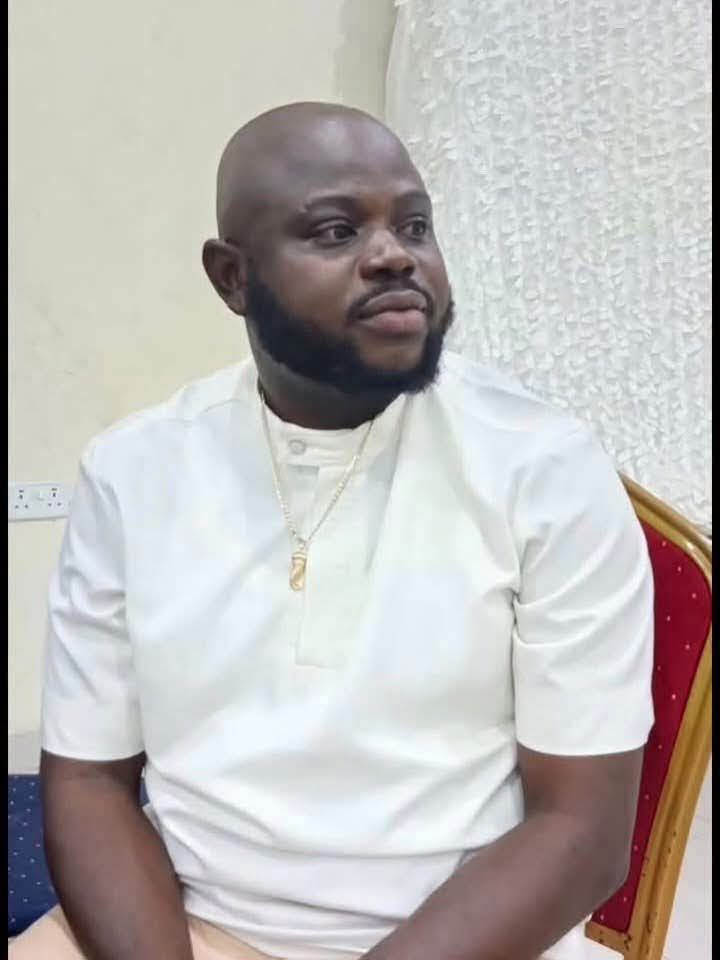
The Hon. Minister of Aviation and Aerospace Development, Festus Keyamo, SAN, CON, has condemned the political violence that erupted in the state on Monday in which four persons were said to have died.
In a statement he personally signed, the Minister said he was saddened by the ugly development but extended his condolences to the family of those that died during the crisis.
“I have just received disturbing reports of an outbreak of political violence in my town of birth, Ughelli, in Delta State, that has led to the unfortunate death of four persons, with several others injured and receiving treatment.
“I offer my deepest condolences to the families and loved ones of the victims. I also wish all those who are injured a quick recovery.
“I condemn in the strongest possible terms the killing of these persons, just as I also condemned the killing of a tricycle operator in broad daylight by identified supporters of a political party in Asaba on November 7, 2026.
“I call on the law enforcement agencies to fish out the perpetrators of these killings, both in Asaba and Ughelli, and bring them to book. I have been in touch with the top hierarchy of law enforcement agencies in the last one month over the rising wave of political violence and violent rhetoric in Delta State.
“Since 1999, Delta State has been a relatively peaceful state, politically. Our disagreements have never led to violence and killings. We are all brothers and sisters who went to the same primary, secondary and tertiary institutions, and we all know ourselves and our families so well. There is ABSOLUTELY NO NEED for a descent into violence.
“Those who have promoted the mantra of ‘Rig and Die’ in Delta State and elsewhere should have a rethink, publicly withdraw it, and apologise for overheating the political temperature in the State and country. As can be seen, anyone can be a victim. I have always maintained that it is only law enforcement agencies that are allowed to deal with offenders. It is wrong to tell your supporters to kill other citizens under whatever guise. It smacks of desperation.
“I call on our leader and my elder brother, the Governor of Delta State and the Chief Security Officer of the State, Rt. Hon. Elder Sheriff Oborevwori, to urgently address Deltans and read the Riot Act against those who are threatening fire and brimstone.
“Enough is enough,” Keyamo said.
-

 News2 years ago
Senate to speed up conclusion of Nigeria Forest Security Service Bill
-
 News1 year ago
The Many Lies Against Bashir Haske
-
 News3 years ago
“Anytime we want to kill terrorists, President would ask us to take permission from France but they were killing our soldiers-” Niger Republic coup leader
-

 News3 years ago
Breaking: Tinubu’s authentic ministerial nominees
-
 News6 months ago
See your state governor’s performance ranking
-
 News3 years ago
“I’m leaving the Catholic church because Bishop Onah is oppressing me,” says Okunerere
-

 News4 years ago
My nude photo leak was a mistake- lawyer Ifunanya
-

 News3 years ago
Radio Nigeria’s veteran broadcaster Kelvin Ugwu dies three months after retirement from service