
News
How Ajuri Ngelale oppressed Bayo Onanuga before he was sacked – Report

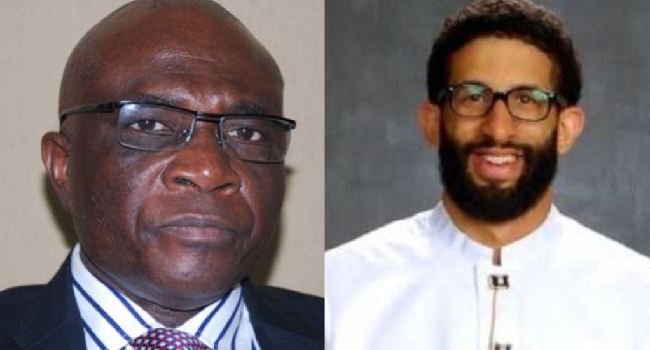
Contrary to Ajuri Ngelale’s claim of embarking on an indefinite vacation to address vexing family health issue, the former Senior Special Adviser to the President on Media and Publicity was sacked by the presidency but allowed to announce his exit as a way of soft landing.
According to an exclusive report late Saturday by an online news platform, FJI, Ngelale had been having a running battle with President Bola Tinubu’s Senior Special Adviser on Information and Strategy, Bayo Onanuga from the day the later was announced as an aide to Tinubu.
The report said that Ngelale was not happy that Onanuga was given a portfolio that was parallel with his own as Senior Special Adviser, and rather wanted the sort of administration protocol that existed between Femi Adesina and Garba Shehu when they served as Senior Special Adviser and Senior Special Assistant respectively, to former president Muhammadu Buhari.
According to the FJI report, Bayo Onanuga was denied an office space in the presidential villa for many months, therefore squatted in the office of another Tinubu’s aide, Tunde Rahman until a few months ago when an office was allocated to him.
It was also reported that Ajuri Ngelale gave a standing order that no statement from Bayo Onanuga should be put out in the public unless he, Ajuri clears it, even as they were on the same ranking, according to Villa ranking.
FJI said in the report that while Ajuri trampled on Bayo Onanuga’s rights and privileges, the Senior Special Adviser on Information and Strategy maintained a cool mien and tried his best to cultivate a better, cordial working relationship with Ngelale but he was not ready to reciprocate Onanuga’s gesture.
The tensed relationship between the two aides was said to have immensely affected the presidency’s job of pushing President Tinubu’s positive strides, so much so that it became inevitable that one of them has to leave.
In order to further confirm the veracity or otherwise of the story, Nationwide Reports put calls to both Ajuri Ngelale and Bayo Onanuga. While Ngelale’s phone was switched off, Onanuga did not take his calls.
Read details of the FJI report:
Ajuri Ngelale, the broadcast journalist who made a name for himself with his eloquence and sonorous voice, did not resign as special adviser to the president on media and publicity to tend to a “vexatious medical situation” in his family as he claimed, FIJ can report.
Instead, FIJ understands, he was fired by the presidency and only allowed to publicly resign after his repeated pleas for a soft landing.
Ngelale, who was also the special presidential envoy on climate action, stunned Nigerians on Saturday morning when he announced his abrupt exit from office, citing “medical matters presently affecting my immediate, nuclear family”.
A FACE-SAVING COVER-UP
“On Friday, I submitted a memo to the Chief of Staff to the President informing my office that I am proceeding on an indefinite leave of absence to frontally deal with medical matters presently affecting my immediate, nuclear family,” Ngelale wrote.
“While I fully appreciate that the ship of state waits for no man, this agonising decision — entailing a pause of my functions as the Special Adviser to the President on Media & Publicity and Official Spokesperson of the President; Special Presidential Envoy on Climate Action, and Chairman, Presidential Steering Committee on Project Evergreen — was taken after significant consultations with my family over the past several days as a vexatious medical situation has worsened at home.”
He said he looked “forward to returning to full-time national service when time, healing, and fate permit”, and respectfully asked “for some privacy for my family and I [sic] during this time”.
But multiple highly-placed sources in and around the presidency told FIJ on Saturday afternoon that Ngelale’s exit was not triggered by a family health emergency, but rather his loss in a power tussle with Bayo Onanuga, the Special Adviser on Information and Strategy.
LONG-RUNNING FEUD WITH ONANUGA
FIJ understands that following the election of Bola Tinubu as Nigeria’s president in 2023, Ngelale did not exactly hit it off with Onanuga, largely because having been in government before Onanuga — President Muhammadu Buhari appointed Ngelale his senior special adviser on public affairs in 2019 and he served in this position until the end of Buhari’s tenure — he considered himself Onanuga’s boss.
Ngelale, 38, began his career with the Africa Independent Television (AIT) in the 2000s, while Onanuga, 67, a former Managing Director of the News Agency of NJigeria (NAN), began his career in the 1980s. There was one problem, though: while Ngelale was special adviser on media and publicity, Onanuga was the special adviser on information and strategy.
FIJ understands that civil servants found the roles confusing. This was nothing like in the Buhari administration when Femi Adesina was the special adviser on media and publicity and Garba Shehu the senior special assistant on media publicity. In the latter case, everyone knew Adesina, as SA, was senior, while Shehu, as SSA, was subordinate.
Ngelale and Onanuga both had special adviser roles; and the profolios seemed similar. However, by design, the civil service structure of the villa reported to the SA media, and that was Ngelale.
FAVOURITE OF THE PRESIDENT — AND HIS SON
“Ngelale considered himself untouchable because he had the backing of the president’s son Seyi and Femi Gbajabiamila, the president’s chief of staff,” one source who asked not to be named for fear of retribution told FIJ.
“He was fired; I became aware of this on Tuesday, but I won’t rule out the possibility that it happened earlier. When he got the letter, he started to plead to be allowed to resign as a soft landing. He was eventually given a soft landing, which is understandable. News of his sacking in public would have thoroughly embarrassed not just Ngelale but the presidency too.”
Although this source expressed regrets that things eventually got to a head, they conceded that there was no other way out, given Ngelale’s unwillingness to discuss his long-drawn-out feud with Onanuga when the opportunities were presented to him.
“The Ngelale-Onanuga feud was no secret in the villa, so several top appointees and cabinet members attempted to intervene at separate times; and while Onanuga was open to peace talks, Ngelale wasn’t,” the source continued.
“For example, Mohammed Idris Malagi, the minister of information and national orientation, called for talks four times. Onanuga was willing to attend but Ngelale snubbed them all, always claiming he was busy.”
‘BLOCKING ONANUGA’ FROM HAVING AN OFFICE
Civil servants who asked not to be named, as well as a source familiar with presidency happenings, told FIJ that Onanuga, despite being formally appointed in October 2023 “was a squatter in the presidency and did not have an office of his own until just a few months ago”.
“When Onanuga was appointed, he had no office. He was squatting in Tunde Rahman’s office,” said one of the sources. “It was just recently that he eventually got an office that belonged to either Wale Edun or Zacheus Adedeji when they were still advisers.
Rahman, the senior special assistant to the president on media and publicity, was appointed in July 2023 — three months earlier than Onanuga’s appointment. Meanwhile, Zacheus Adedeji was appointed special adviser on revenue while and Wale Edun was appointed special adviser on monetary policy in June 2023.
While Adedeji has since become the executive chairman, Federal Inland Revenue Service (FIRS), Edun has since become minister of finance and coordinating minister of the economy. Notably, all three appointments came months ahead of Onanuga’s.
These were people who had been with Tinubu for decades, unlike Ngelale, so how did Ngelale become so powerful that he got appointed earlier, blocked Onanuga from having an office to himself and all the aforementioned appointees could not fix Onanuga an office?
As written earlier, Ngelale had the backing of Seyi Tinubu and Gbajabiamila, but a third source took it even further, saying: “It was about how he got the job.”
SO, HOW?
How Ajuri ingratiated himself with Tinubu
“During the 2023 presidential electioneering, Jumoke Oduwole, the special adviser on Presidential Enabling Business Environment Council (PEBEC), introduced Ngelale to Gbajabiamila,” said the source.
“When Ngelale got there, he met Seyi. He told Seyi he would facilitate a CNN interview during which Tinubu’s presidential ambition would be discussed. Seyi thought it was impossible, but Ngelale did it. He secured the interview on CNN. He then told Seyi the time and date it would air. Seyi promised Ngelale that Tinubu would phone him if he pulled it off. Immediately after the interview was aired, Tinubu called Ngelale.
“When Tinubu won the election, Ngelale was abroad. People told him to return home but he said no; he insisted he would get his own appointment once he arrived in the country. And that was exactly what happened: Ngelale’s appointment by Tinubu was announced days after his return to Nigeria.
“Conversely, Gbajabiamila delayed the announcement of Onanuga’s appointment for at least two months. It required Chief Bisi Akande, who originally made the case for Onanuga’s appointment, to return to Tinubu for follow-up conversations. That was when Tinubu ordered that Onanuga’s appointment should be made, and that was how Onanuga came to the villa.”
THE STRAW THAT BROKE THE CAMEL’S BACK
FIJ understands that villa staff and civil servants whose work related to the president’s communication strategy noticed the tension between Ngelale and Onanuga and thought if they worked with one, then the other thought they were against him.
“This meant thework of publicising the president’s progressive policies was derailed,” said the source.
“By the way, Ngelale instructed civil servants that no statement from Onanuga could go out if he had not personally cleared it. If you speak with sources across divides, they would tell you Onanuga was the more peace-seeking of the duo. But this particular order from Ngelale to civil servants annoyed Onanuga.”
FIJ understands Ngelale’s standing with Tinubu started to plummet once it was easy to pitch to the president how Ngelale’s unharmonious relationship not just with Onanuga but with the media was hindering good publicity for the president.
“He did not have a good relationship with journalists. Ask the reporters; ask the state house correspondents. And also ask editors,” added the source.
“Many people consider him disrespectful and arrogant, even the editors. You can hardly find any important editor in Nigeria who likes or regards Ngelale.”
NGELALE, ONANUGA MUM
FIJ sent a text and WhatsApp messages to Ngelale, seeking his comments, but they were not replied. FIJ also made cellular and WhatsApp calls to Ngelale’s number, but none was answered.
When FIJ repeated the process with Onanuga, the outcome was the same.
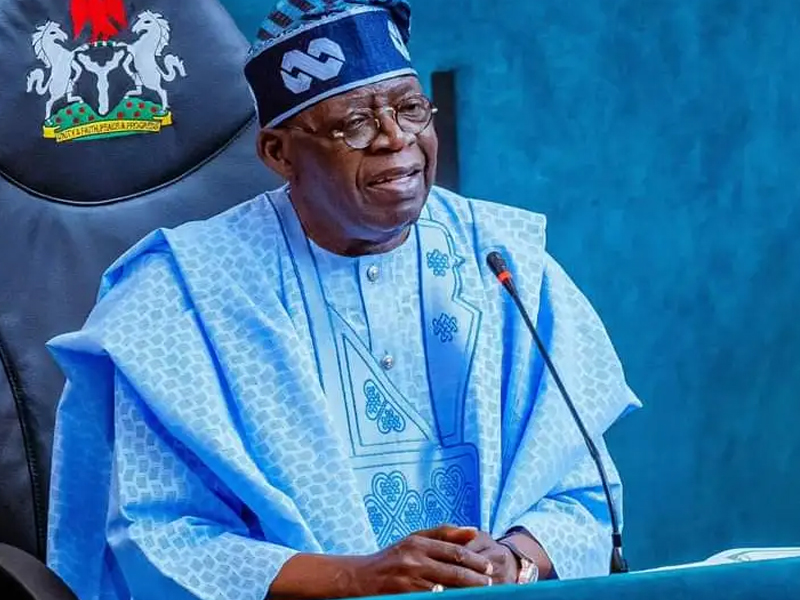
President Bola Tinubu on Monday disclosed that his government has created 650,000 jobs through its National Micro, Small and Medium Enterprises (MSME) Clinics in 19 states of the Federation and the Federal Capital Territory (FCT).
Tinubu also vowed to remove all bottlenecks militating against Nigerians turning ideas and skills into successful businesses.
The President made this known via his verified X handle, @officialABAT and explained that a tailor should not need millions of naira to buy industrial machinery before she can grow her business while a food processor should not have to build a factory before producing at scale.
This, he stated, informed why the Federal Government, “under our Renewed Hope administration, is investing in shared MSME hubs through our National MSME Clinics, giving entrepreneurs access to modern equipment, reliable power and production facilities without carrying the full cost alone.”
According to Tinubu: “Today, 21 shared facilities across 19 states and the FCT are supporting businesses and an estimated 650,000 jobs. ReadPolitical News
“Nigerians do not lack ideas, skill or ambition. Too often, they lack access to the tools and infrastructure needed to turn them into successful businesses.
“Our job is to remove those barriers.
“When small businesses can produce more, at lower cost, they become more competitive. They grow. They employ more people. They create income and opportunity for Nigerian families.
“Giving Nigerian enterprise the tools to succeed is how we build prosperity from the ground up. That is the Nigeria we are building.”
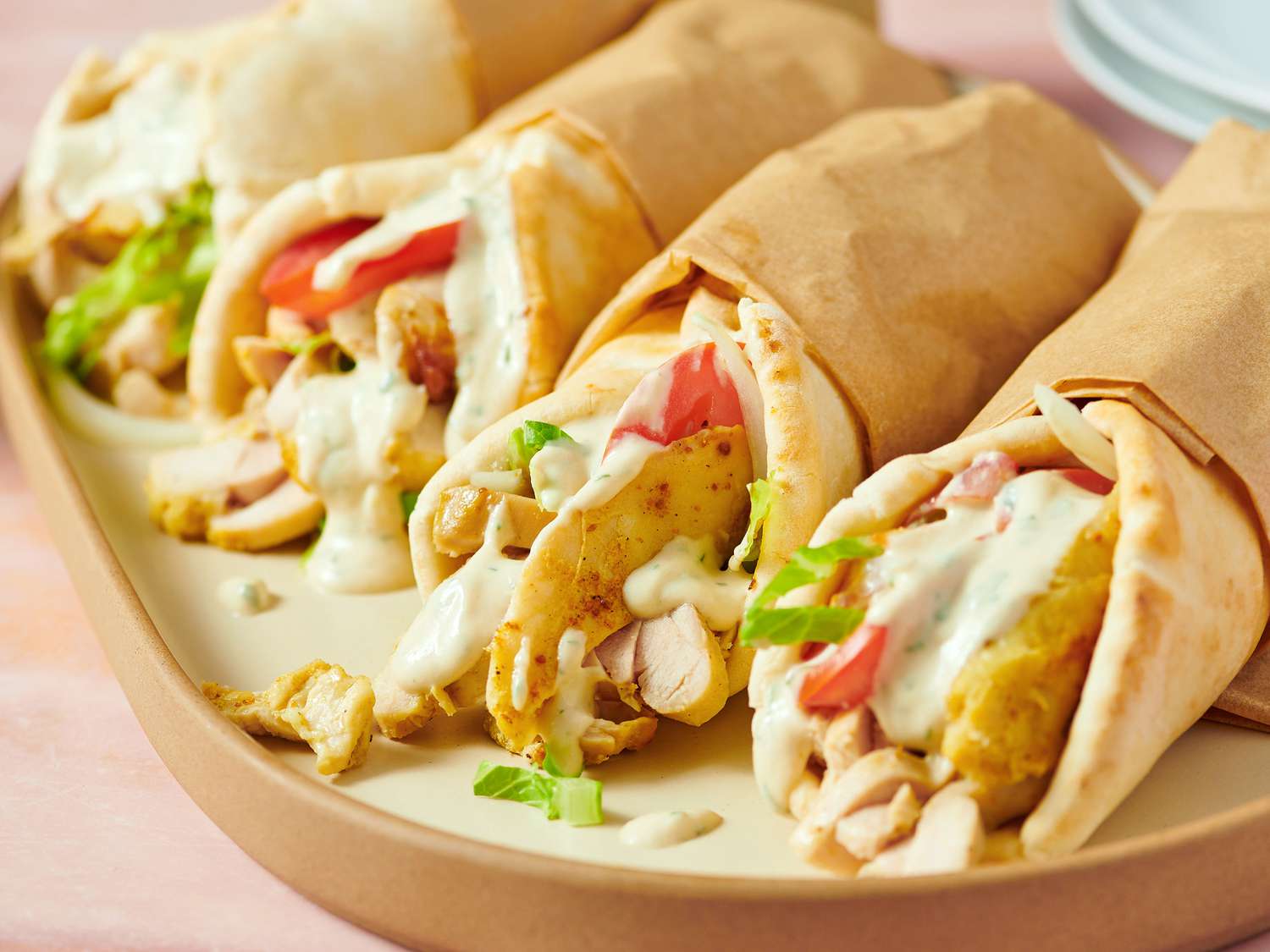
Health professionals have warned that regular consumption of shawarma containing high amounts of salt, sugar, fat, seasoning and processed meat may contribute to hypertension, obesity, diabetes and kidney disease.
Excessive salt can raise blood pressure and put additional strain on the kidneys, while high-calorie sauces may contribute to weight gain.
Nutrition experts advised Nigerians to eat shawarma in moderation, use less mayonnaise and other sauces, choose lean grilled meat and add more vegetables. Consumers were also urged to check vendors’ cleanliness and avoid food prepared where ingredients are exposed to flies, dust or poor handling.
A recent report by experts also warned that frequent consumption of Shawarma may increase the risk of other food-borne infections and long-term health problems.
The report contains documented cases of people who suffered vomiting, diarrhoea, stomach pain and weakness after eating shawarma, with some requiring hospital treatment.
According to the report, poor hygiene could allow bacteria and other contaminants into shawarma, causing illnesses including cholera, dysentery, typhoid and salmonellosis.
It also raised concerns about mayonnaise and creamy sauces kept without proper refrigeration and warned that poor storage could encourage bacterial growth and increase the risk of food poisoning.
A study cited in the report found bacterial contamination in ready-to-eat shawarma sold on the streets
Experts also raised concerns about processed meat such as sausage, noting that the International Agency for Research on Cancer classifies processed meat as carcinogenic to humans.
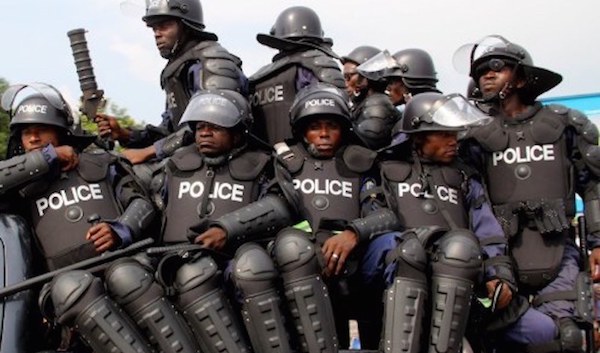
The mystery surrounding the death of a man whose body was found by the roadside in Abuja has taken a new turn, with police tracing the case through his missing mobile phone to a married woman who allegedly spent time with him at a hotel.
The FCT Commissioner of Police, Mohammed Sanusi, disclosed this on Saturday in Abuja, saying investigators arrested Rukayat Muhammed after tracing the deceased’s final communications.
The man was found dead on August 26 along the Kubwa Expressway, near Katampe under the bridge, after his family had earlier reported him missing.
According to the police, the case initially raised suspicion of a possible “one chance” incident. Investigators, however, established that the dead man was the missing person after identifying his remains.
Sanusi said the deceased’s mobile phone was missing and had been switched off. Police investigators subsequently traced his last known communication, leading them to Rukayat, a resident of Garki Area 2.
Investigators reportedly discovered that Rukayat, who is married, was allegedly in a romantic relationship with the deceased. The police said she had saved his contact under the name “Safiyat.”
The CP said the pair had lodged at Good Samaritan Guest House on 2nd Avenue, Gwarinpa, where the man later died.
Sanusi said Rukayat allegedly discovered that the man was no longer breathing but failed to alert the police or hotel management. Instead, she allegedly took his phone and left the hotel.
The case took another turn when hotel management later discovered the man’s body inside the room after attempts to contact the occupants failed.
Rather than reporting the discovery, two hotel staff members, Ibrahim Omeiza and Kefat Bitrus, allegedly removed the body from the room and transported it to the Kubwa Expressway, where they dumped it under the Katampe bridge.
The police said the action was apparently intended to distance the hotel and its management from the death.
Sanusi said detectives were still working to establish exactly how the man died and determine the individual roles of those connected to the incident.
He warned that anyone found to have participated in the death, concealment or abandonment of the body would face prosecution.
The commissioner said the investigation remains ongoing.
-

 News2 years ago
Senate to speed up conclusion of Nigeria Forest Security Service Bill
-
 News1 year ago
The Many Lies Against Bashir Haske
-

 News3 years ago
Breaking: Tinubu’s authentic ministerial nominees
-
 News3 years ago
“Anytime we want to kill terrorists, President would ask us to take permission from France but they were killing our soldiers-” Niger Republic coup leader
-
 News3 years ago
“I’m leaving the Catholic church because Bishop Onah is oppressing me,” says Okunerere
-

 News3 years ago
My nude photo leak was a mistake- lawyer Ifunanya
-
 News4 months ago
See your state governor’s performance ranking
-

 News3 years ago
Radio Nigeria’s veteran broadcaster Kelvin Ugwu dies three months after retirement from service