News
Abuja Chamber of Commerce DG wants better environment for women-owned businesses


Nigeria’s missed opportunity: Why we need a definition for women-owned businesses now.
In boardrooms, markets, farms, and digital spaces, Nigerian women are driving enterprise, generating jobs, and sustaining livelihoods. Despite their contributions, women entrepreneurs still face significant challenges in accessing finance, securing contracts, or qualifying for government support. One of the major reasons for this is that Nigeria does not have a definition for what qualifies as a Women-Owned Business (WoB).
This policy gap has created a silent barrier that limits access to opportunities and leaves millions of women entrepreneurs on the margins of economic growth.
Across Africa, countries that have defined what constitutes a women-owned business have used it to unlock tailored financing schemes, inclusion in public procurement, and gender responsive policy development. In contrast, Nigeria’s lack of clarity creates confusion. Government agencies, banks, and donors have no standard benchmark to determine who qualifies as a WoB.
As a result, many women fall through the cracks, unable to access the very tools designed to support them. Without a definition, how can we collect gender-specific business data or design programs that close the persistent inequality gaps?
To address this, the Abuja Chamber of Commerce and Industry (ACCI), with the support of the Investment Climate Reform (ICR) Facility, facilitated a landmark dialogue involving government, civil society, women’s business networks, and the private sector.
This process culminated in the adoption of a working definition on May 1, 2025, by ACCI and its MDA partners under a Joint Action Committee. It states: A women-owned business is any sole proprietorship owned by a woman, or a company or partnership with more than 51 percent female ownership.
This definition is not arbitrary. It aligns with international benchmarks while reflecting Nigeria’s unique sensibilities and on-the-ground realities. It was designed to be verifiable, culturally appropriate, and inclusive, particularly avoiding complex certification systems that often exclude micro and small businesses, especially those led by rural or informal women entrepreneurs.
While no definition can perfectly fit every context, the 51 percent threshold offers a workable standard. It acknowledges practical realities such as shared ownership between spouses or equity dilution during fundraising, yet still ensures a credible threshold for women’s control and participation.
What the Joint Action Committee has put forward is a pragmatic middle ground; a definition that maintains integrity and ease of verification, while harmonizing with global norms. The real question now is whether Nigeria will seize this opportunity and move from concept to national commitment.
While others move forward, Nigeria risks being left behind. Women-led enterprises remain significantly underrepresented in public procurement, with less than 5 percent of government contracts awarded to women-owned businesses (Open Contracting Partnership, 2022). Women entrepreneurs also face higher barriers to finance. According to the Central Bank of Nigeria (2024), they are 20 percent more likely to be denied loans compared to their male counterparts. The World Bank (2023) estimates that women-owned businesses in Nigeria face an annual financing gap of $1.5 billion.
A 2023 report by McKinsey & Company projects that unlocking the potential of women entrepreneurs could add over $1 trillion to Africa’s GDP by 2030, with Nigeria standing to benefit the most. But without a formal WoB definition, we are simply not positioned to tap into this economic gold mine.
Why, then, has this not yet been realized? The delay can be attributed to bureaucratic inertia, fragmented coordination, and competing development priorities. Nonetheless, these challenges no longer constitute justifiable barriers. The momentum is building, and the path toward a nationally recognized definition of women-owned businesses has never been clearer.
The ACCI, with backing from the ICR Facility, co-funded by the European Union, the Organisation of African, Caribbean and Pacific States, the German Federal Ministry for Economic Cooperation and Development (BMZ), and the British Council, is advocating for the formal adoption of the WoB definition at the national level.
To this end, ACCI and the Joint Action Committee are actively mobilizing. On June 10, 2025, ACCI and the Joint Action Committee will host a Business Breakfast to bring together government agencies, representatives of financial institutions, women’s business groups, and other key players to push this agenda forward.
This is a pivotal moment. Adopting a national definition of women-owned businesses is not just about words on paper. It is about giving millions of women their rightful place in the economy, unlocking inclusive growth, and boosting Nigeria’s global competitiveness.
Let us not miss this opportunity. Let us define what matters.
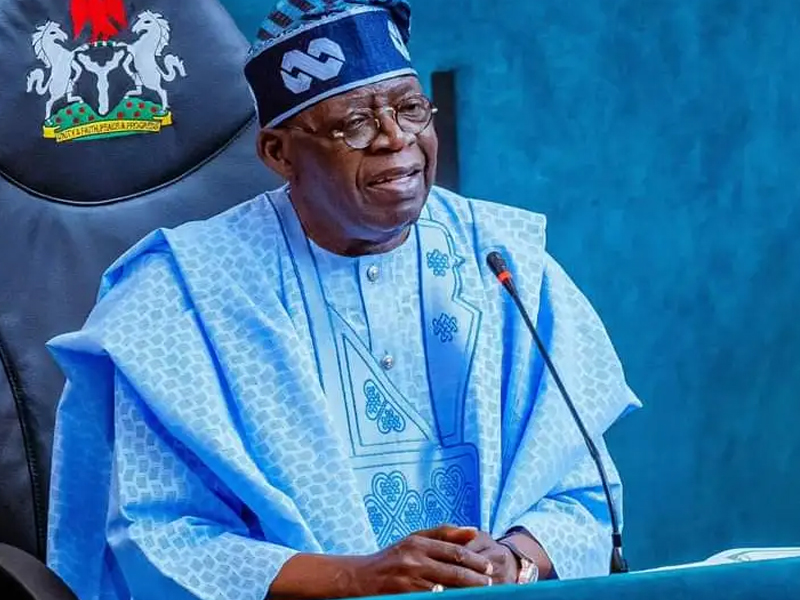
President Bola Tinubu on Monday disclosed that his government has created 650,000 jobs through its National Micro, Small and Medium Enterprises (MSME) Clinics in 19 states of the Federation and the Federal Capital Territory (FCT).
Tinubu also vowed to remove all bottlenecks militating against Nigerians turning ideas and skills into successful businesses.
The President made this known via his verified X handle, @officialABAT and explained that a tailor should not need millions of naira to buy industrial machinery before she can grow her business while a food processor should not have to build a factory before producing at scale.
This, he stated, informed why the Federal Government, “under our Renewed Hope administration, is investing in shared MSME hubs through our National MSME Clinics, giving entrepreneurs access to modern equipment, reliable power and production facilities without carrying the full cost alone.”
According to Tinubu: “Today, 21 shared facilities across 19 states and the FCT are supporting businesses and an estimated 650,000 jobs. ReadPolitical News
“Nigerians do not lack ideas, skill or ambition. Too often, they lack access to the tools and infrastructure needed to turn them into successful businesses.
“Our job is to remove those barriers.
“When small businesses can produce more, at lower cost, they become more competitive. They grow. They employ more people. They create income and opportunity for Nigerian families.
“Giving Nigerian enterprise the tools to succeed is how we build prosperity from the ground up. That is the Nigeria we are building.”
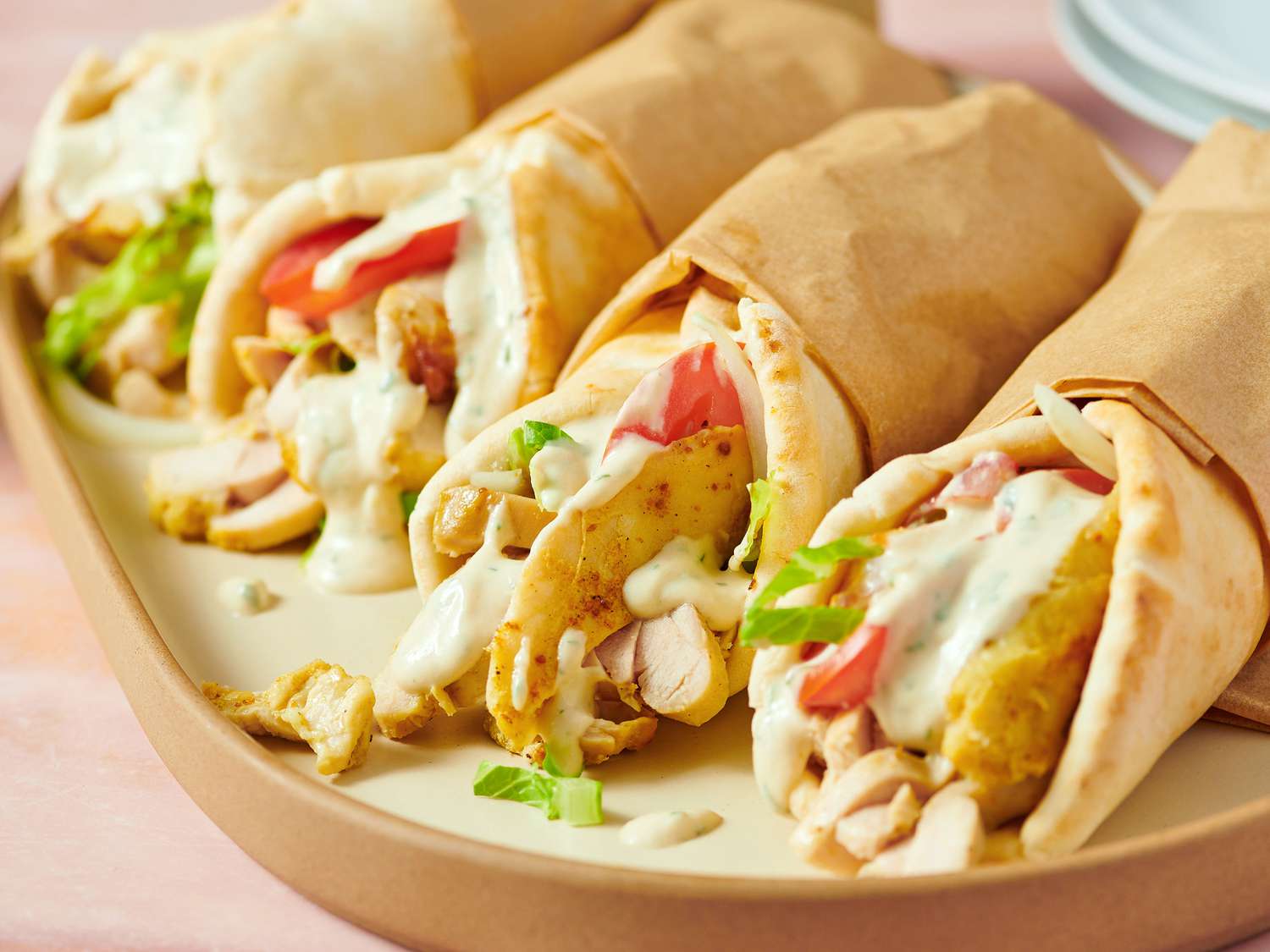
Health professionals have warned that regular consumption of shawarma containing high amounts of salt, sugar, fat, seasoning and processed meat may contribute to hypertension, obesity, diabetes and kidney disease.
Excessive salt can raise blood pressure and put additional strain on the kidneys, while high-calorie sauces may contribute to weight gain.
Nutrition experts advised Nigerians to eat shawarma in moderation, use less mayonnaise and other sauces, choose lean grilled meat and add more vegetables. Consumers were also urged to check vendors’ cleanliness and avoid food prepared where ingredients are exposed to flies, dust or poor handling.
A recent report by experts also warned that frequent consumption of Shawarma may increase the risk of other food-borne infections and long-term health problems.
The report contains documented cases of people who suffered vomiting, diarrhoea, stomach pain and weakness after eating shawarma, with some requiring hospital treatment.
According to the report, poor hygiene could allow bacteria and other contaminants into shawarma, causing illnesses including cholera, dysentery, typhoid and salmonellosis.
It also raised concerns about mayonnaise and creamy sauces kept without proper refrigeration and warned that poor storage could encourage bacterial growth and increase the risk of food poisoning.
A study cited in the report found bacterial contamination in ready-to-eat shawarma sold on the streets
Experts also raised concerns about processed meat such as sausage, noting that the International Agency for Research on Cancer classifies processed meat as carcinogenic to humans.
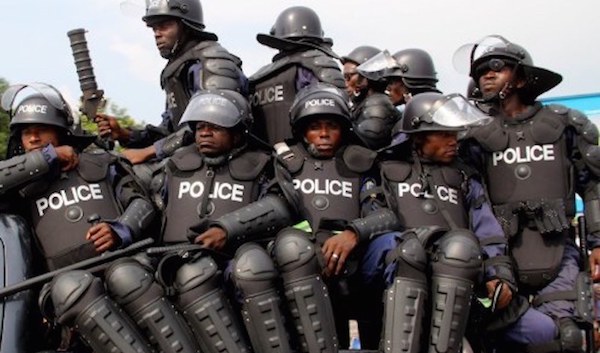
The mystery surrounding the death of a man whose body was found by the roadside in Abuja has taken a new turn, with police tracing the case through his missing mobile phone to a married woman who allegedly spent time with him at a hotel.
The FCT Commissioner of Police, Mohammed Sanusi, disclosed this on Saturday in Abuja, saying investigators arrested Rukayat Muhammed after tracing the deceased’s final communications.
The man was found dead on August 26 along the Kubwa Expressway, near Katampe under the bridge, after his family had earlier reported him missing.
According to the police, the case initially raised suspicion of a possible “one chance” incident. Investigators, however, established that the dead man was the missing person after identifying his remains.
Sanusi said the deceased’s mobile phone was missing and had been switched off. Police investigators subsequently traced his last known communication, leading them to Rukayat, a resident of Garki Area 2.
Investigators reportedly discovered that Rukayat, who is married, was allegedly in a romantic relationship with the deceased. The police said she had saved his contact under the name “Safiyat.”
The CP said the pair had lodged at Good Samaritan Guest House on 2nd Avenue, Gwarinpa, where the man later died.
Sanusi said Rukayat allegedly discovered that the man was no longer breathing but failed to alert the police or hotel management. Instead, she allegedly took his phone and left the hotel.
The case took another turn when hotel management later discovered the man’s body inside the room after attempts to contact the occupants failed.
Rather than reporting the discovery, two hotel staff members, Ibrahim Omeiza and Kefat Bitrus, allegedly removed the body from the room and transported it to the Kubwa Expressway, where they dumped it under the Katampe bridge.
The police said the action was apparently intended to distance the hotel and its management from the death.
Sanusi said detectives were still working to establish exactly how the man died and determine the individual roles of those connected to the incident.
He warned that anyone found to have participated in the death, concealment or abandonment of the body would face prosecution.
The commissioner said the investigation remains ongoing.
-

 News2 years ago
Senate to speed up conclusion of Nigeria Forest Security Service Bill
-

 News1 year ago
The Many Lies Against Bashir Haske
-

 News3 years ago
Breaking: Tinubu’s authentic ministerial nominees
-
 News3 years ago
“Anytime we want to kill terrorists, President would ask us to take permission from France but they were killing our soldiers-” Niger Republic coup leader
-

 News3 years ago
“I’m leaving the Catholic church because Bishop Onah is oppressing me,” says Okunerere
-

 News3 years ago
My nude photo leak was a mistake- lawyer Ifunanya
-
 News4 months ago
See your state governor’s performance ranking
-

 News3 years ago
Radio Nigeria’s veteran broadcaster Kelvin Ugwu dies three months after retirement from service