Business
2 Years of Tinubu’s Reforms: Growing the Economy, Expanding Investment Inflows

By Bonaventure Phillips Melah and Joseph Pius Akpan
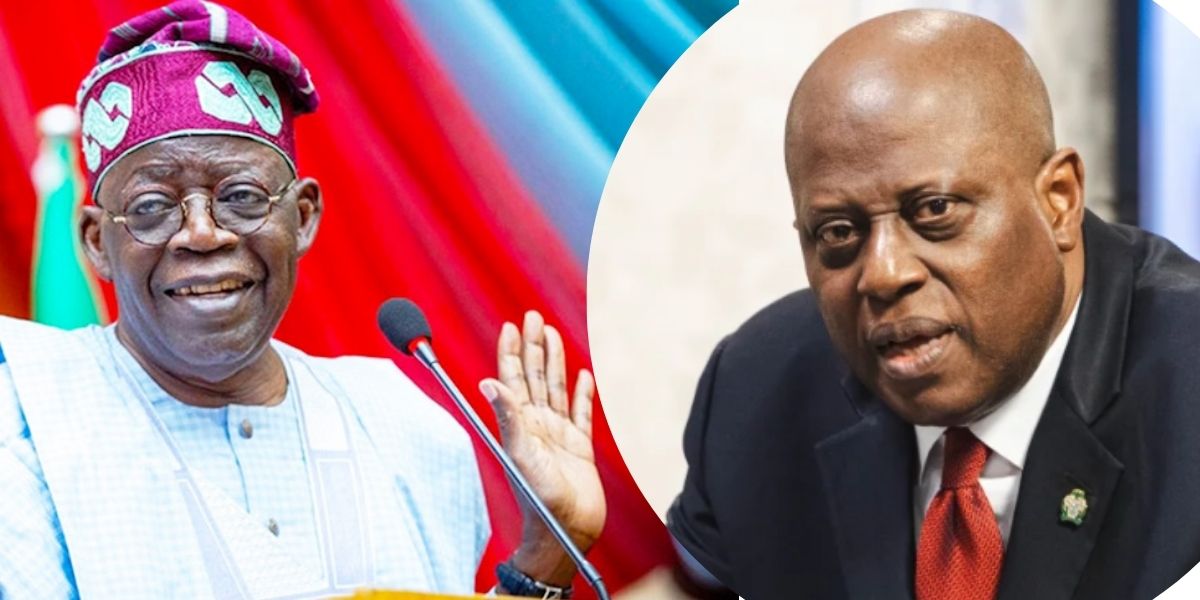
President Bola Ahmed Tinubu, GCFR, assumed office on May 29, 2023 and in the last two years, his administration has implemented policies and programs aimed at addressing Nigeria’s economic challenges and improving governance.
Below is a list of some of the key policies of the administration aimed at repositioning the nation’s economy towards prosperity of the people.
1. Fuel Subsidy Removal
2. Exchange Rate Unification
3. Growth in Foreign Reserves
4. Boost in Foreign Direct Investment (FDI)
5. Port Harcourt Refinery Rehabilitation
6. Removal of Import Duties on Food Items
7. Faster Passport Issuance
8. Student Loan Scheme Implementation
9. Inclusive Cabinet and G20 Membership
10. Strengthened Energy Sector Reforms
11. Infrastructure Development Progress
12. Growth in Non-Oil Revenue
13. Improved Security Measures
14. Agriculture and Food Security
15. Enhanced Passport Services and Diaspora Engagement
16. Affordable Housing Projects
17. A Vision for a Transformed Nigeria
Growing the economy, expanding investment inflows via reforms
For many years, Nigeria’s economy, has been in the doldrums, stuck in an oil-dependent rut and plagued by banditry. The economy was to say the least, run by a political elite bent on self-enrichment. But the tide is changing for good, courtesy of President Bola Ahmed Tinubu’s economic reforms.
This is coming halfway through the first presidential term of Tinubu, who completed two years in office last month- June. Many experts are in agreement that Nigeria’s economy, though not yet out of the woods, is in better shape than at any time in the past decade. That may come as a surprise or even sound like a sick joke to millions of Nigerians who are suffering the worst cost of living crisis in a generation. The cynicism harbored in some quarters notwithstanding, the Federal Government has been able to stabilise the economy and laid the groundwork for a broader recovery.
The World Bank, this year, expects growth of 3.7 percent, in what would be Nigeria’s best performance since 2014, save for a post-Covid rebound. Despite this, most Nigerians would not feel the positive impact yet, although it is a decent performance when oil prices are weak. This is happening because Tinubu’s government is tackling the debilitating structural distortions in the economy, despite concerns that it is often implemented in haphazard fashion.
On the first day in office, President Tinubu removed a ruinously expensive fuel subsidy. The Central Bank of Nigeria (CBN) has stopped printing money to pay for government profligacy; restored monetary policy orthodoxy after a shambolic era in which only cronies with access to cheap dollars benefited. The naira has stabilized after a dangerous overshoot, with the gap between the official and black-market rate shrinking almost to nothing. To that effect, investors no longer live in constant fear of devaluation and can readily access dollars.
Crude oil production has recovered from a nadir of 1million barrels a day to nearly 1.5 million in May. Oil theft has been reduced and local companies are squeezing more out of marginal fields.
The reforms, implemented by the CBN have continued to enhance Nigeria’s position as an attractive investment destination. Already, the economy attracted higher foreign portfolio investment inflows totaled $3.48 billion in six months of reforms, compared with $756.1 million in pre-reforms era. This trend reflects growing investor confidence in the CBN’s ability to manage the financial system and economy, and constitute a positive signal for global investors.
For the CBN, there has never been a better time to prioritize price and exchange rate stability, catalyze sustainable economic growth, and protect the livelihoods of millions of Nigerians through reforms than now. Its policies, including the exchange rate unification, have led to significant foreign capital inflows to the economy while reducing its intervention in the forex market.
The floatation of the naira and the clearing of over $7 billion FX backlog improved the country’s outlook with foreign investors as well as multilateral organizations, like the World Bank describing it as bold intervention to improve the economy’s sustainability in the long run.
Before Tinubu stepped in, Nigeria was also grappling with a fiscal crisis, marked by unsustainable deficit financing through the Central Bank’s Ways and Means advances, which had reached an unprecedented N22.7 trillion by 2023—equivalent to almost 11 per cent of the GDP. In addition, quasi-fiscal interventions by the CBN, totaling over N10 trillion, undermined market confidence and weakened the effectiveness of its policy tools.
Against these odds, the new CBN, under the headship of Mr. Olayemi Michael Cardoso, has brought new hopes in the management of the financial system and economy. The current macroeconomic stabilization efforts support Nigeria’s ability to attract foreign investors to its markets.
For instance, at the end of 2024, Nigeria leveraged its improved economic fundamentals to re-enter the Eurobond market, seeking to address its fiscal deficit. The move marked the country’s return to the international debt market in November after a two-year absence. In a dual-tranche Eurobond issuance, investor demand surged, with subscriptions exceeding $9 billion. Despite the strong interest, the government chose to raise $2.2 billion. The issuance included $700 million in 6.5-year bonds set to mature in 2031, carrying a 9.625% coupon rate, and $1.5 billion in 10-year bonds with a coupon rate of 10.375%. The high-interest rate environment also attracted higher foreign portfolio investment inflows, which totaled $3.48 billion in the first half of 2024 compared to $756.1 million during the same period in 2023. This trend reflects growing investor confidence in the country’s ability to manage its external debt burden, a positive signal for Nigeria’s Eurobonds.
Economy gets positive Fitch Ratings
The Fitch Ratings last year revised upward Nigeria’s long-term Foreign Currency Issuer Default Rating (FCY-IDR) outlook to “Positive” from “Stable” previously. It also affirmed IDR at “B-“. Fitch Ratings hinged the upward outlook review on ongoing fiscal and monetary policy reforms, notably, the reduction in fuel subsidy burden, the scale back on deficit financing through Ways & Means, the reduction in official vs parallel market FX rate distortion, forex backlog clearance, as well as the notable improvement in crude oil output in first quarter.
Winning the war against exchange rate gaps, FX speculations
The government, through the CBN has activated market-driven pricing for the naira, significantly enhancing transparency and restoring investor confidence. With disciplined reforms and policy clarity, the naira has stabilized at a more sustainable level against the U.S. dollar. The once-wide gap between the official and parallel market rates has all but disappeared, a first in Nigeria’s recent history, and speculative arbitrage has all but vanished. The battle to close the gap between the official market rates and parallel market rates has been raging for decades, with little results to show for it. That was until the CBN -led forex reforms kicked in, and close the huge gaps between both markets.
Naira shows resilience despite headwinds
Head, Investment Research at Commercio Partners, Ifeanyi Ubah, said the naira has experienced a turbulent journey in 2025. After beginning the year on a strong note, it has since come under significant pressure, depreciating from N1,475/$ at the end of January to N1,598/$ as of May 19.
“While the decline is notable, especially over such a short span, a broader comparison with 2024 paints a more tempered picture, the naira has shown relative resilience in the face of global headwinds and domestic pressures,” he said. He explained that part of the recent strain on the naira has stemmed from sustained local demand for foreign exchange, which continues to outpace supply. However, this is only one side of the story.
According to him, more substantial pressure has come from abroad, as foreign investors have pulled back from Nigerian markets, mirroring a wider trend among emerging economies. “A global risk-off sentiment, spurred by rising geopolitical tensions, trade uncertainties, and ongoing tariff disputes, has triggered a flight to safety. As investors rush to safer assets, particularly in developed markets, many riskier currencies, including the naira, have borne the brunt of capital flight,” he said.
Ubah explained that despite certain headwinds, there is a silver lining for the naira, adding that the CBN’s foreign exchange reforms are clearly yielding results. “One of the most notable successes has been the reduction in exchange rate volatility. Although the naira has depreciated, it has done so in a more orderly and predictable manner. The gap between the official and parallel market rates remains narrow, a significant departure from the sharp discrepancies seen in previous years. Daily fluctuations in the exchange rate have also moderated significantly when compared to 2024, signaling growing market confidence and increased transparency in FX operations,” he said.
He said that this improved stability is not just a statistical detail, it matters deeply to investors. “Exchange rate volatility is a major risk consideration for foreign investors looking to enter any emerging market. As Nigeria continues to rein in this volatility, it enhances its attractiveness as a destination for foreign capital. Should these reforms persist and deepen, they may lay the groundwork for a more sustainable and investment-friendly FX environment, potentially setting the stage for renewed inflows and a more stable naira in the long run,” he said.
He highlighted that after a challenging start to the year Nigeria’s external reserve position has begun to show signs of recovery—an encouraging development that reflects not only changing market dynamics but also the Central Bank of Nigeria’s (CBN) strategic efforts to restore confidence in the economy. “While early 2025 saw some drawdown in the reserves due to heightened demand for foreign exchange—driven by debt servicing obligations, import-related FX needs, and direct CBN interventions—the tide began to turn from late April. As of May 16, Nigeria’s external reserve stood at approximately $38.9 billion, a level the CBN notes is sufficient to cover 7.6 months of imports for goods and services,” Ubah stated.
Tackling impact of oil price decline
The Federal Government, in the past two years, has recorded some modest gains in the oil sector, a major foreign exchange (FX) earner for the nation, although the non-oil segment of the economy is equally generating FX, after the introduction of various reforms.
This achievement is being threatened by recent developments in the international oil market. The decline in oil prices due to OPEC+ many Organisation of the Petroleum Exporting Countries and allies such as Russia, agreeing to boost production by nearly one million barrels per day (1mbp/d) across April, May and June will have adverse impact on FX inflows to Nigeria.
However, the threat appears to be contained by continuous efforts by the CBN to establish strong measures to attract more dollars into the economy to reduce impact of crude oil prices drop on FX liquidity and overall economy.
In recent months, global oil prices have continued to decline, currently trading slightly above $60 per barrel. For an oil dependent economy like Nigeria, the ongoing decline in crude oil prices is never cheering news. Crude oil prices react to many variables, including supply and demand prospects and the perceived risk of market disruptions. Economic growth can drive up the demand for crude oil, while slowdowns tend to lower demand and prices.
The current decline in oil prices reflects a complex interplay of supply-side decisions, demand-side concerns, and strategic maneuvers by key players like Saudi Arabia. With the pessimistic projection of The Wall Street Journal that Brent could end 2025 below $50 per barrel; Nigerian policymakers have their work cut out for them. At $50 per barrel and a production level of 1.5 million barrel per day (mbpd), Nigeria’s oil revenue will be 10 percent below its fiscal breakeven point. The fiscal deficit could rise to six to seven percent of Gross Domestic Product, with a knock-on effect on inflation.
These supply hikes come amid global economic challenges including a tariff war initiated by the US. Middle Eastern benchmarks have been pressured by the rising supplies, with the average cash Dubai premium to swaps at $1.21/bbl as of 27 May, a $0.45 decrease from April’s average. Saudi Aramco, the state oil company, bases its crude prices on customer recommendations and the past month’s oil value changes, considering yields and product prices.
However, Cardoso has through foresight, activated countermeasures that will ensure that the impact of the oil-crisis does not hurt the domestic economy. The apex bank is taking measures to improve Nigeria’s export potential, promoting backward integration principles to reduce import of items that can be produced locally and simplifying dollar remittances to domestic economy for Nigerians in diaspora.
Drawing from China’s economic strategy, the apex bank said Nigeria’s competitive exchange rate can drive export-led growth. To harness this potential, businesses are expected to adopt export-oriented strategies by targeting sectors with strong export potential such as agriculture, manufacturing and creative industries; implement import-substitution models by strengthening domestic production capabilities and reducing reliance on costly imports; and focus on value addition by shifting from exporting raw materials to processed goods, thereby boosting foreign exchange earnings.
Nigeria’s creative sector has the potential to attract $25 billion annually to the economy, highlighting the untapped opportunities in nation’s expanding creative sector, including music, film, crafts, and digital exports. Businesses should explore international markets, digital platforms, and global tours to increase dollar revenue inflows. Also telecom companies should reduce their dependence on foreign imports by producing key components of their inputs locally. The backward integration proposal for the telecom industry comes at a time the real sector is in dire need of sustainable growth.
FG’s Series VII Sukuk offer surpasses projection by 735%, attracts ₦2.205trn subscription
The Series VII Sovereign Sukuk through which the Debt Management Office (DMO) offered N300 billion, on behalf of the Federal Government of Nigeria (FGN), recorded an unprecedented subscription level of over N2.205 trillion, representing an excess of 735 percent subscription. This is a clear evidence of the huge investor-appetite for the ethical instrument introduced by the DMO in 2017 as an innovative strategy to expand the nation’s investor-base and provide opportunities for all Nigerians to participate in the activities of the capital market.
An analysis of the subscriptions showed that the subscribers cut across various segments of the public: retail, non-interest banks and financial institutions, banks, pension fund administrators, asset/fund managers and others. Like the previous series, funds realized from the Issuance will be used by the FGN to construct new roads and rehabilitate existing ones, as well as build bridges in the six geo-political zones of the country and the Federal Capital Territory (FCT). The raising of funds through Sukuk to finance infrastructure projects aligns with Mr. President’s Renewed Hope Agenda of which infrastructure development is a key pillar. This will assist to providing safe and liquid investment products to the public, and supporting the FGN’s development plans.
Listed companies declared N1.1trn dividends
Improved confidence in Nigeria’s capital market has continued to surge, manifesting in huge investor returns with listed companies declaring dividends totaling ₦1.1trillion to shareholders in 2024. Corroborating the sterling performance of the Nigerian capital market, which reflects its health status, the Securities and Exchange Commission (SEC) Director-General Dr Emomotimi Agama, said out of the amount, listed companies had already paid out ₦1.0 trillion to shareholders. Dr. Agama disclosed that the Commission, between January and December 2024, had approved a total of ₦3.68 trillion in new issues, further reaffirming the renewed interest in the Nigerian capital market. He explained: “This comprised ₦59.82 billion in fixed income issuances and ₦3.62 trillion in equities, reflecting strong investor appetite and issuer confidence in the equity segment of our market. For the period spanning January to April 2025, we have so far approved new issues valued at approximately ₦446.38 billion. Of this amount, ₦265.90 billion was raised through fixed income instruments, while ₦180.48 billion was mobilised via equities”.
On mergers and acquisitions, Agama said the Commission in 2024 approved 11 transactions with an aggregate value of ₦320.36 billion. “Most notable of these was the acquisition of a 58.02 percent equity stake in Guinness Nigeria Plc by N Seven Nigeria Ltd., valued at over ₦103.7 billion. There were also three corporate restructuring transactions, two share capital reconstructions, one takeover, and four registrations of securities. Among the notable corporate restructuring transactions was the scheme of arrangement involving Flour Mills of Nigeria Plc, valued at over ₦105 billion, and the share capital reconstruction by Transnational Corporation Plc, which saw a one-for-four share consolidation amounting to ₦5.08 billion,” he said.
Furthermore, the Commission had approved three major transactions year-to-date worth ₦38.53 billion. “This includes two takeovers and one corporate restructuring. While no mergers have been recorded within the review period, the pace of market activity remains steady, with continued interest in strategic consolidation and reorganisation across key sectors. These activities reflect continued strategic realignments within the market,” Agama said.
The collective investment schemes recorded robust expansion with a combined net asset value of ₦3.84 trillion as of fourth quarter of 2024. “Registered mutual funds reached 184 in number, with a combined net asset value of ₦3.84 trillion and over 800,000 unit holders. “Privately managed portfolios and products grew to 444 vehicles with assets under management totaling ₦4.69 trillion. In aggregate, 82 active asset management firms oversee ₦8.53 trillion in investments. These figures reflect a maturing market where professional fund management is increasingly recognised as a critical driver of capital formation and wealth creation. The figures are indicative of sustained activity in the market, particularly as issuers continue to leverage both the debt and equity segments to finance growth and investment,” Agama added.
Nigeria’s headline inflation eases to 23.71%
To Inflation in Nigeria has continued to moderate, with headline inflation rate dropping to 23.71 percent in April 2025, relative to 24.23 percent recorded in March 2025, representing a decrease of 0.52 percent from March 2025 figure, according to the latest data released by the National Bureau of Statistics (NBS). The report is based on a new consumer price index (CPI) base year of 2024, with 2023 as the reference period for expenditure weights.
The NBS said the three major contributors to the headline inflation were Food and non-alcoholic Beverages: 9.49 percent, Restaurants & Accommodation Services: 3.06 percent, and Transport: 2.53 percent; while the least contributors were Alcoholic Beverages, Tobacco, and Narcotics: 0.09 percent, Recreation, Sport, and Culture: 0.07 percent.
The NBS reported that on a month-on-month basis, the headline inflation rate in April 2025 was 1.86 percent, which was 2.04 percent lower than the 3.90 percent recorded in March 2025. Food inflation rate in April 2025 was 21.26 percent on a year-on-year basis, while on a month-on-month basis, the food inflation rate in April 2025 was 2.06 percent, a decline of 0.12 percent compared to 2.18 percent recorded in March 2025. The decrease can be attributed to the reduction in average prices of items such as Maize (Corn) Flour, Wheat Grain, Okro Dried, Yam Flour, Soya Beans, Rice, Bambara beans, Brown Beans etc.
Core inflation, which excludes the prices of volatile agricultural produce and energy, stood at 23.39 percent in April 2025 on a year-on-year basis. On a month-on-month basis, the core inflation rate was 1.34 percent in April 2025, down by 2.39 percent compared to 3.73 percent in March 2025. “The inflation rate of the newly introduced sub-index is: Farm Produce: 2.64%, Energy: 9.21%, Services: 3.44%, and Goods: 3.89%,” the NBS stated.
On a year-on-year basis, the urban inflation rate in April 2025 was 24.29 percent, while on a month-on-month basis, the urban inflation rate was 1.18 percent in April 2025, reflecting a decrease of 2.78 percent compared to 3.96 percent in March 2025. The rural inflation rate in April 2025 was 22.83 percent on a year-on-year basis, while on a month-on-month basis, the rural inflation rate in April 2025 was 3.56 percent, showing a fall of 0.17 percent compared to 3.73 percent in March 2025.
State-level analyses show that the all-item index for April 2025, on a year-on-year basis, was highest in Enugu (35.98%), Kebbi (35.13%), and Niger (34.85%). Ondo (13.43%), Cross River (17.11%), Kwara (17.28%) recorded the lowest rise in headline inflation on a year-on-year basis.
On a month-on-month basis, April 2025 recorded the highest increases in Sokoto (16.26%), Nasarawa (16.02%), and Niger (14.74%). Oyo (-6.45%), Osun (-4.54%) and Ondo (-3.44%) recorded declines in month-on-month inflation.
State-level analyses of the food index in April 2025 show that food inflation on a year-on-year basis was highest in Benue (51.76%), Ekiti (34.05%), and Kebbi (33.82%). The slowest rise in food inflation on a year-on-year basis was recorded in Ebonyi (7.19%), Adamawa (9.52%), and Ogun (9.91%).
However, on a month-on-month basis, April 2025 food inflation was highest in Benue (25.59%), Ekiti (16.73%), and Yobe (13.92%). Ebonyi (-14.43%), Kano (-11.37%) and Ogun (-7.06%) recorded declines in food inflation on a month-on-month basis.
Nigeria’s economic growth trajectory has been encouraging, surpassing projections in most cases. The macroeconomic fundamentals are looking up and impressive, pointing to a steady growth if the momentum is maintained. This has been recognized by multilateral and bilateral agencies, including other development partners.
In this regard, the World Bank commended the performance of Nigeria’s economy, noting that the macroeconomic situation is improving as a result of sustained reforms. This is contained in the latest edition of the Nigeria Development Update (NDU) report released in Abuja.
The report, titled “Building Momentum for Inclusive Growth,” states that economic growth in the last quarter of 2024 increased to 4.6 percent (year-on-year), pushing growth for the full year 2024 to 3.4 percent, the highest since 2014 (excluding the 2021-2022 COVID-19 rebound). According to NDU Report, “Recent reforms have also helped to strengthen the foreign exchange (FX) market and Nigeria’s external position. The consolidated fiscal position improved in 2024, driven by surging revenues. The fiscal deficit shrank from 5.4% of GDP in 2023 to 3.0% of GDP in 2024, a major improvement which was driven by a sharp increase in revenues of the entire Federation, which rose from N16.8 trillion in 2023 (7.2% of GDP) to an estimated N31.9 trillion in 2024 (11.5% of GDP).”
The report further adds that Inflation has remained high and sticky but is expected to fall to an annual average of 22.1 percent in 2025, as a sustained tight stance firmly establishes monetary policy credibility and dampens inflationary expectations.
However, it highlighted that the challenge is to consolidate macroeconomic stability and ignite inclusive growth through deeper, wider structural reforms, and stressed, “There is a need for the economy to generate more and better jobs at scale and reduce poverty”.
Taimur Samad, Acting World Bank Country Director for Nigeria said, “Nigeria has made impressive strides to restore macroeconomic stability. With the improvement in the fiscal situation, Nigeria now has a historic opportunity to improve the quantity and quality of development spending; investing more in human capital, social protection, and infrastructure. The allocation of public resources can begin to shift away from the past unsustainable pattern, and rather towards meeting Nigeria’s large development needs, including the government playing its essential role of providing basic public services and serving as an enabler of private sector–led growth.”
The NDU further highlights that in order for the economy to meet the government’s aspiration of achieving a US$1 trillion economy by 2030 and deliver poverty reduction and shared prosperity, the pace of growth needs to accelerate further and its composition rebalanced towards those economic sectors and firms that are most productive, generate positive spillovers, and create jobs and opportunities at scale, especially for the poor and economically insecure. It said at present, the best-performing sectors of the economy, like finance and ICT, are important drivers of growth but are not sources of mass employment as many Nigerians do not yet have the skills and opportunities to participate in them, stressing that a private sector-led, public sector-facilitated growth strategy can boost inclusive growth.
The Bank listed key elements of this strategy to include: addressing major infrastructure gaps, such as in electricity and transportation; Fostering healthy competition, market openness, and improving the business environment to spur business dynamism; Improving access to finance for new and existing firms to grow and improve productivity; Improving policies in key sectors to help unleash the potential of these sectors.
Alex Sienaert, World Bank Lead Economist for Nigeria said, “International experience suggests that the public sector cannot sustainably generate growth and jobs by itself. Nigeria is no exception, particularly since public resources remain constrained. A useful strategy is to position the public sector to play a dual role as a provider of essential public services, especially to build human capital and infrastructure, and as an enabler for the private sector to invest, innovate, and grow the economy.”

Dangote Petroleum Refinery has been described as the ‘Eight Wonder of the World’ that has changed global oil industry dynamics, putting Nigeria at a vantage position among other countries.
Nigerian billionaire businessman Femi Otedola, stated this when he visited the 650million MPD capacity Refinery in Lekki, Lagos state.
In a post shared on his official X account on Sunday, Mr Otedola, chairman of First HoldCo Plc, expressed profound admiration for the project. “Today 15 February 2026, I visited the Dangote Refinery, what I call the 8th wonder of the world,” he wrote.
He added that, following the successful completion of the ongoing expansion project, the refinery’s capacity would rise to 1.4 million barrels per day.
The Dangote Refinery, Africa’s largest and the world’s biggest single-train facility, only days ago reached its full nameplate capacity of 650,000 barrels per day. This milestone, announced earlier in the week, marked the first time any refinery of this scale had achieved 100 per cent of its designed output in a single train.
Plans to expand the complex were first disclosed by Aliko Dangote, president of the Dangote Group and Africa’s richest person, in October 2025.
The project, supported by technology and services from Honeywell International, is intended to more than double current capacity to 1.4 million barrels per day by 2028. Once completed, the enlarged facility would surpass India’s Jamnagar refinery to become the largest in the world. The expansion will also incorporate additional petrochemical production, including increased output of polypropylene, linear alkylbenzene and base oils.
Mr Otedola’s visit comes at a pivotal moment for Nigeria’s energy sector. The refinery’s attainment of full capacity is widely expected to reduce the country’s dependence on imported petroleum products, ease pressure on foreign exchange reserves and support broader economic stability.
The businessman has previously praised the project’s transformative potential, stating that domestic refining at this scale could strengthen the naira and reshape energy supply across Nigeria and the African continent.
Photographs shared alongside Mr Otedola’s post show him touring the vast industrial complex, underscoring the scale of what is regarded as one of Africa’s most ambitious industrial undertakings.
Business
Business and Human Rights in Nigeria 2025: Standing Firm and Looking Forward- Agabaidu Chukwuemeka Jideani
Executive Summary
In 2025, Nigeria’s Business and Human Rights (BHR) landscape reflects a nation at a critical juncture, struggling to achieve a critical mass of stakeholders to comply with and implement the National Action Plan on Business and Human Rights, balancing economic ambitions under the National Development Plan (NDP) with persistent human rights challenges exacerbated by divestments in the oil sector, economic reforms, and global regulatory shifts.
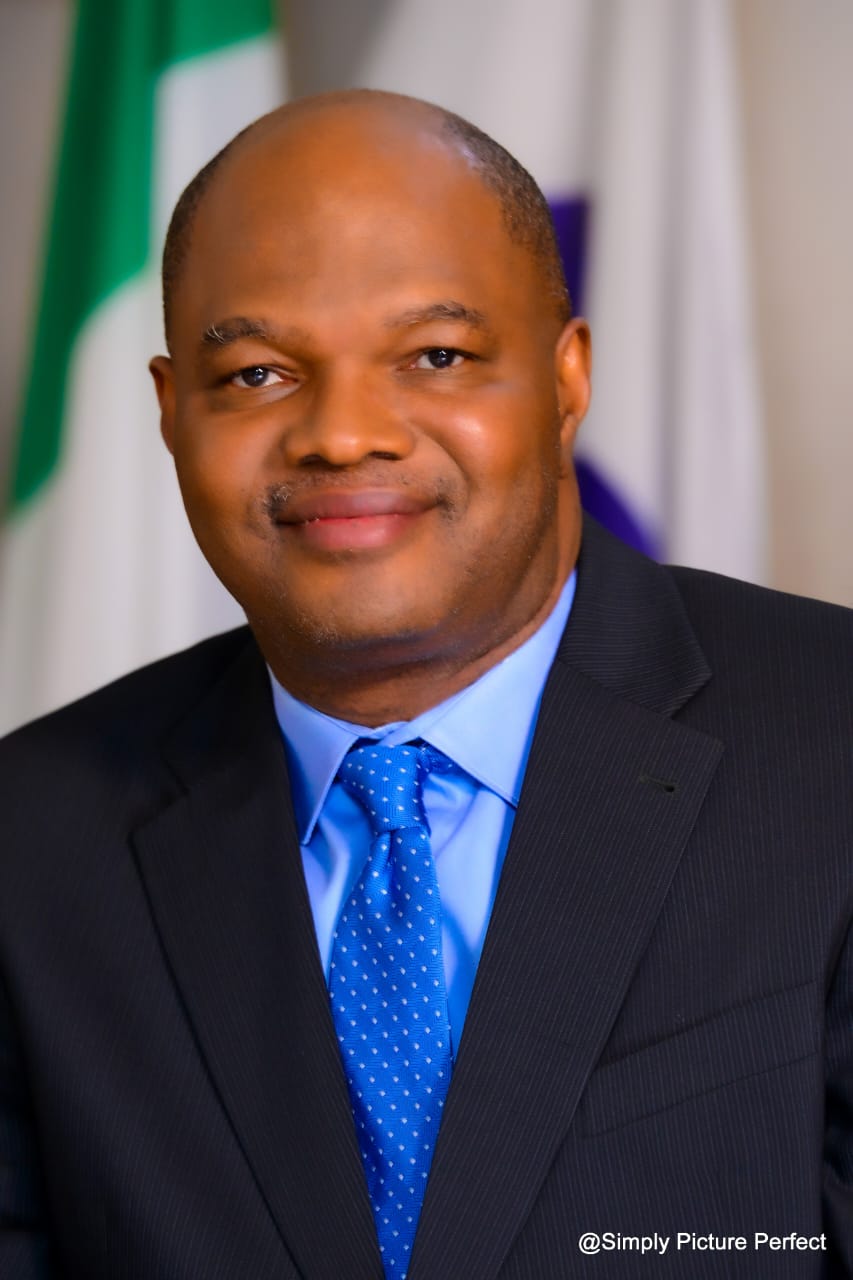
Driven by Dr. Anthony Okechukwu Ojukwu, SAN, the Executive Secretary of the Nigerian National Human Rights commission (NHRC), grounded in the UN Guiding Principles on Business and Human Rights (UNGPs), Nigeria’s National Action Plan (NAP) on BHR, approved in April 2023 and integrated into the broader NAP on Human Rights Promotion and Protection (2024–2028), marked a foundational step toward aligning business practices with human rights obligations. However, implementation has been impacted by lack of clarity, public awareness, oil pollution legacies, judicial delays, and socioeconomic pressures from inflation and fuel price hikes.
Globally, the 14th UN Forum on BHR in November 2025 emphasized accelerating action amid crises, influencing Nigeria’s priorities.
Progress includes stakeholder dialogues and NAP rollout, but challenges like corporate divestments without remediation persist. Prospects hinge on enhanced voluntary compliance by businesses, an effort that is motivated by Dr. Anthony Okechukwu Ojukwu, SAN and is being championed by the Abuja Chamber of Commerce and Industry and NACCIMA as the leadership of the Organized Private Sector in Nigeria; as well as enforcement, international partnerships, increased involvement of stakeholders, and the integration of the BHR into the Nigeria’s Open Government Partnership (OGP) NAP 4 Commitments -being spearheaded by Agabaidu C. Jideani, Director General of the Abuja Chamber of Commerce and Industry.
This review analyzes key activities, progress, challenges, and forward-looking strategies, drawing on UN reports, national dashboards, and regional forums to advocate for a “smart mix” of measures under the NAPBHR and the UNGPs.
Introduction: Framing BHR in Nigeria’s 2025 Context
Nigeria, Africa’s largest economy and most populous nation, derives over 80% of export revenue from oil, making BHR intrinsically linked to resource extraction, labour rights, and environmental justice. The UNGPs, comprising the state’s duty to protect (Pillar I), corporate responsibility to respect (Pillar II), and access to remedy (Pillar III), provide the normative framework.
Nigeria’s NAP operationalizes these, prioritizing sectors like oil, mining, and agriculture, with actionable items on employment nondiscrimination and environmental impact assessments.
In 2025, amid global volatility, escalating conflicts, AI governance, and delayed EU directives like the Corporate Sustainability Due Diligence Directive (CSDDD), Nigeria’s BHR efforts intersect with domestic reforms. Early economic shocks, including rising inflation and petrol price surges, market uncertainties amplified vulnerabilities, exacerbated human rights violations with the NHRC dashboard showing a 15% rise in violation complaints, have given way to some form of market stability though poverty and unemployment have continued to increase and the NHRC dashboards continues to elicit concerns about human rights violations. This review evaluates 2025’s trajectory, emphasizing resilience (“standing firm”) and innovation (“looking forward”).
Key Nigerian Activities on BHR in 2025
Nigeria’s BHR agenda in 2025 centered on NAP implementation, stakeholder engagement, and sector-specific interventions.
NAP Rollout and Institutionalization
The NAP, a chapter in the 2024–2028 Human Rights NAP, advanced through the National Working Group on BHR (NWAGBHR), co-led by the National Human Rights Commission (NHRC). Key activities included:
Establishment of the African Continental Centre on Business and Human Rights (ACCBHR): The NHRC and the Abuja Chamber of Commerce and Industry established the Centre as a hub to galvanize the Organized Private Sector in Nigeria to integrate human rights into business activities and business decision making.
Multi-Stakeholder Dialogues: The May 2025 National Dialogue on BHR in Abuja, hosted by NHRC with UNDP and EU support, mapped implementation roadmaps, focusing on UNGPs integration into AfCFTA compliance. Over 200 participants from government, business, and civil society endorsed priority actions like judicial sensitization on BHR cases.
State-Level Frameworks: Engagements are continuing to facilitate subnational BHR plans, addressing land acquisition and employment rights and conflict resolution in the key sectors of Oil and Gas, Mining, Agriculture and livestock development.
Thematic Focus: NHRC’s March and June 2025 Human Rights Dashboards highlighted BHR violations, including 12% rise in employment-related complaints, prompting Advisory Opinions on freedom of expression in business contexts.
Practitioners’ Certification Course on Business and Human Rights: The NHRC in conjunction with the Abuja Chamber of Commerce and Industry, and the African Continental Centre on Business and Human Rights held a two-day intensive program (December 2 and 3, 2025). The course equipped practitioners with proficiencies and skills to become champions and advocates for the integration of respect for human rights into business and commercial activities and forms the foundation of the establishment of a Register of BHR practitioners in Nigeria.
Sectoral Initiatives
Oil and Gas: Post-divestment scrutiny dominated, with UN letters to Shell, Eni, ExxonMobil, and TotalEnergies (July 2025) demanding remediation for Niger Delta spills. The Petroleum Industry Act (PIA) 2021’s host community provisions saw initial implementation, with $12 billion estimated cleanup costs allocated via the Host Community Development Trusts.
Labour and Gender: The Women in Leadership Coalition advocated for the Reserved Seats for Women Bill, linking BHR to gender quotas in corporate boards. ILO-aligned training reached 1,200 police on human rights in labour disputes.
Digital and Emerging Risks: NHRC addressed AI’s BHR implications, aligning with global consultations on technology due diligence.
Remedy Platform: The Registrar General of the Nigerian Chamber of Commerce Dispute Resolution Centre (NCCDRC) Mrs Hauwa Kaka Usman offered the platform for the independent resolution of Human Rights Violation Complaints, offering victims easy access to effective, speedy and cost friendly platform for the resolution of human rights disputes.
These activities underscore Nigeria’s proactive NAP domestication, though funding gaps persisted.
Global Activities Influencing Nigeria
Global BHR dynamics in 2025 shaped Nigeria’s priorities, emphasizing crisis-responsive implementation.
UN Forum and Working Group Engagements
The 14th UN Forum on BHR (November 24–26, Geneva) themed “Accelerating Action Amid Crises” drew 4,000+ participants, urging a “smart mix” of regulations. Nigeria’s NHRC and UN Global Compact Network participated, aligning NAP with Forum outcomes on conflict zones and Indigenous rights, relevant to Niger Delta disputes.
Regional and Bilateral Developments
Africa BHR Forum (October 7–9, Lusaka): The 4th edition, building on the 2024 Nairobi Declaration, tracked NAP progress across Kenya, Uganda, Nigeria, Liberia, and Ghana, focusing on child rights mainstreaming, where Nigeria’s provisions remain minimal. It called for common reporting frameworks, influencing Nigeria’s AfCFTA BHR clause negotiations.
Conclusion
2025 tested Nigeria’s BHR resolve, with NAP progress and the organized private sector buy in amid economic hardship, environmental pollution in the oil and gas and solid minerals sector, insecurity and conflicts within the agriculture subsector. Standing firm on our NAPBHR and the UNGPs foundations, while looking forward to integrated reforms, offers a pathway to increased progress in the coming years.
Agabaidu Chukwuemeka Jideani is a Business and Human Rights, Compliance, Risk, and Governance Expert. He Serves as the Director General of the Abuja Chamber of Commerce and Industry and a Director of the African Continental Centre for Business and Human Rights.
….Writes NMDPRA, Engages Marketers to Stabilise Fuel Market
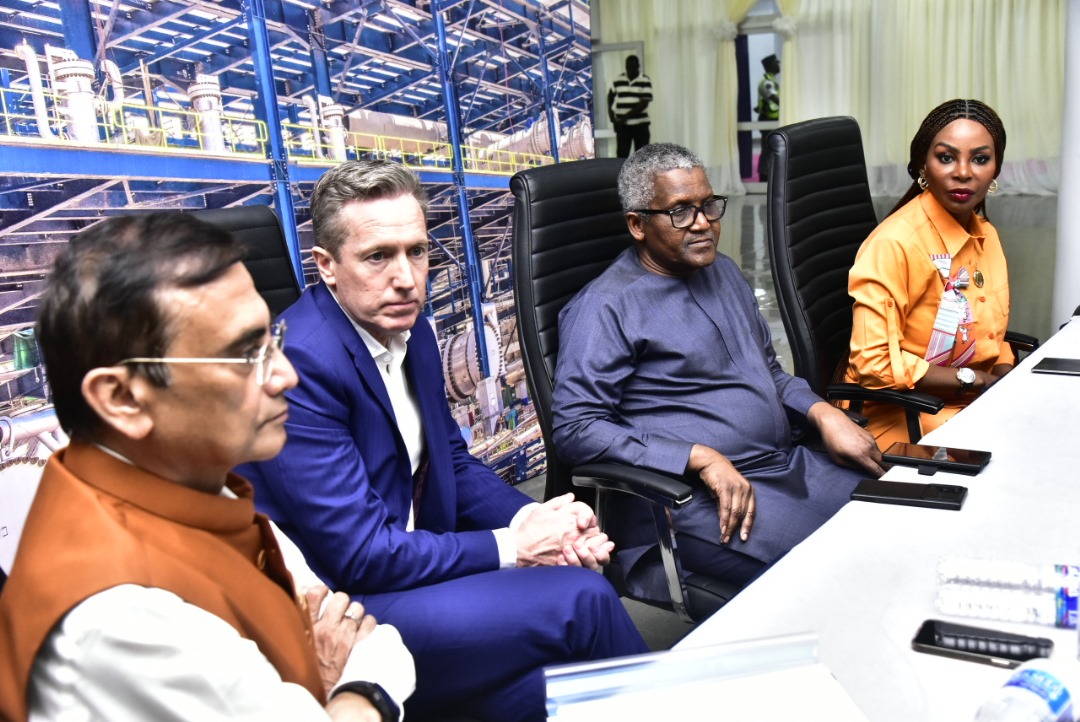
Photo caption: L R: Chief Executive Officer, Dangote Fertiliser Limited, Vishwajit Sinha; Chief Executive Officer and Managing Director, Dangote Petroleum Refinery, David Bird; President and Chief Executive, Dangote Industries Ltd, Aliko Dangote; Managing Director and Chief Executive Officer, South South Development Commission, Usoro Akpabio, during the visit of SSDC members to the Dangote Petroleum Refinery and Fertiliser Plant in Lagos on Sunday, November 30, 2025.
Dangote Petroleum Refinery has announced plans to supply one billion five hundred million litres of Premium Motor Spirit (PMS) monthly to the Nigerian market in December 2025 and January 2026, a move aimed at ensuring uninterrupted nationwide fuel availability through the festive season and into the New Year.
President and Chief Executive of Dangote Industries Limited, Aliko Dangote, disclosed the plans at the weekend, noting that the refinery will make available 50 million litres of PMS daily beginning December 1.
“In line with our commitment to national wellbeing, and consistent with our track record of ensuring a holiday season free of fuel scarcity, the Dangote Petroleum Refinery will supply 1.5 billion litres of PMS to the Nigerian market this month. This represents 50 million litres per day. We are formally notifying the Nigerian Midstream and Downstream Petroleum Regulatory Authority (NMDPRA) of this commitment. We will supply another 1.5 billion litres in January and increase to 1.7 billion litres in February, which translates to about 60 million litres per day,” Dangote said.

Photo caption: L R: President and Chief Executive, Dangote Industries Ltd, Aliko Dangote; Managing Director and Chief Executive Officer, South South Development Commission, Usoro Akpabio, during the visit of SSDC members to the Dangote Petroleum Refinery and Fertiliser Plant in Lagos on Sunday, November 30, 2025.
Speaking during a visit by the South-South Development Commission (SSDC) to the refinery and the Dangote Fertiliser complex, he stated that the facility currently has adequate stock and is producing between 40 and 45 million litres of PMS daily. He added that the daily supply of 50 million litres should dispel long-standing claims that domestic refineries lack the capacity to meet national demand.
Dangote also revealed ongoing engagement with petroleum marketers to strengthen distribution systems, including expanding the use of CNG-powered haulage.
“Our priority is to ensure Nigeria receives the products it needs. This is not driven by profit motives; it is about guaranteeing the availability of essential energy products. It is similar to the transformation we delivered in the cement sector,” he added.
He further noted that the refinery is progressing with its expansion plan to reach a capacity of 1.4 million barrels per day. More than 100,000 workers are expected to be involved in the expansion of both the refinery and the fertiliser complex. Dangote emphasised that the Group remains committed to its vision, driven by the strong public support for the company’s role in shaping Nigeria’s economic development.
During the visit, the Managing Director of SSDC, Usoro Offiong Akpabio, commended Dangote’s leadership and his continued contribution to strengthening Nigeria’s industrial capability, national energy security and long-term economic competitiveness.
She described the South-South region as Nigeria’s natural energy corridor, with vast crude oil reserves, gas infrastructure, maritime assets, agro-industrial activity and emerging industrial clusters. She noted that deeper collaboration between the region and the Dangote Group could unlock opportunities in product distribution, CNG infrastructure, petrochemicals, agriculture, and employment creation.
Akpabio added that such partnerships would advance the Federal Government’s energy stability agenda and position the South-South as a strategic growth hub for the Dangote Group.
“As the statutory development body for the South-South, SSDC is mandated to drive regional economic development, infrastructure integration, human capital advancement, and private-sector–led growth. In this regard, we stand prepared to support State-level policy and regulatory support for Ease-of-doing-business across our six states. Enabling environments for Dangote Group’s expansion into strategic sectors such as gas processing, agro-industrial value chains, renewable energy, logistics, and export-oriented manufacturing,” she said.
In a letter from the refinery’s Managing Director, David Bird, to the Authority Chief Executive of the NMDPRA, the company reaffirmed its readiness to host NMDPRA officials onsite at the refinery from December 1st to verify and publish its daily supply volumes. The refinery also sought the Authority’s support to ensure unhindered importation of crude, feedstocks and blending components, as well as smooth vessel loading for product evacuation.
“In the spirit of full transparency to the public we are willing to publish our daily production and stock volumes (online and print media),” Bird stated. “We seek the full support of NMDPRA to allow Dangote refinery to import our crude, feedstocks and blending components unhindered as well as support the lifting of our products by vessel. We continue to experience delays in vessel clearance which impacts not only the refinery operations but also our customers, adding unnecessary costs and inefficiencies”.
-

 News1 year ago
Senate to speed up conclusion of Nigeria Forest Security Service Bill
-

 News12 months ago
The Many Lies Against Bashir Haske
-

 News3 years ago
Breaking: Tinubu’s authentic ministerial nominees
-

 News3 years ago
“Anytime we want to kill terrorists, President would ask us to take permission from France but they were killing our soldiers-” Niger Republic coup leader
-

 News3 years ago
“I’m leaving the Catholic church because Bishop Onah is oppressing me,” says Okunerere
-

 News3 years ago
Radio Nigeria’s veteran broadcaster Kelvin Ugwu dies three months after retirement from service
-

 News3 years ago
My nude photo leak was a mistake- lawyer Ifunanya
-
 News3 years ago
Dokpesi and the Gazebo Mystique