
News
Yakubu Manage: Extracting Life from Killer Circumstances


By Agabaidu Chukwuemeka Jideani
In the bustling streets of major cities or the quiet villages of several states in Nigeria, a phrase has become a rallying cry for millions: “Yakubu manage.” I first saw it on my daughter Nwando’s WhatsApp Status, born from a viral video clip of a stern instructor drilling a recruit named Yakubu, the meme encapsulates the Nigerian spirit of endurance. “You will feel it like you want to die, but you will not die,” the voice booms. It’s not just humor; it’s a mantra for a nation where daily life is a battle against overwhelming odds. Amidst insecurity, skyrocketing inflation, exorbitant school fees, crumbling healthcare, and dilapidated infrastructure, Nigerians don’t just survive, they innovate, hustle, and extract slivers of joy from what often feels like killer circumstances.
This resilience isn’t romanticized suffering; it’s a gritty, unyielding pushback against systemic failures. As of early 2026, Nigeria’s population of over 230 million grapples with a quality of life ranked among the world’s lowest, with 54% in poverty and inadequate basics like power and water. Yet, from market traders to tech entrepreneurs, the average Nigerian embodies “Yakubu manage” by turning obstacles into opportunities. This is encapsulated in the campaign songs of the FCT Minister Barrister Nyensom Wike Esq “…kama m ga anwu ka m doni ba, uwa bu ndoni ndoni…” loosely translated “…I will rather keep striving and struggling than giving up and dying …”
Insecurity remains a pervasive shadow over our nation, with banditry, kidnapping, insurgencies like Boko Haram, and communal clashes disrupting lives across regions. The UN Office for the Coordination of Humanitarian Affairs notes that inflation is exacerbated by these threats, alongside transport costs and climate impacts, leading to deteriorating livelihoods. In many places, farmers abandon fields due to attacks, contributing to food shortages that put 35 million at high hunger risk, one of the world’s highest. Travelers navigate a devious pathway of treacherous roads and violent kidnapping gangs. But Nigerians manage. Communities form vigilante groups, while entrepreneurs pivot to safer ventures like online trading. A recent X post captures this: a user shares their exhaustion from goals amid chaos, replying with “Yakubu manage. you’ll feel like you’re about to die but you will not die.” It’s a digital echo of real-life tenacity, where displaced families rebuild in IDP camps, starting small businesses to feed their children.
Economic pressures hit hard, with headline inflation increasing in January 2026 and health-related costs soared to more than double its last year rates. The cost-of-living crisis that began with subsidy removals is yet to abate and families battle shrinking incomes, with food inflation eroding human capital development.
Enter the Nigerian hustle. Side gigs flourish, ride-sharing, freelance gigs on global platforms, or street vending, content creation, multi-level marketing – ‘…bring 2 people to bring 2 people…’. In markets, traders haggle fiercely, while apps like Jumia and local fintech help stretch budgets. This adaptability turns economic pain into a forge for innovation, with young Nigerians demanding investments in jobs and reforms that feel purposeful.
High school fees compound the woes, as Nigeria’s education system faces skill mismatches that leave graduates unemployable. Public schools are underfunded, forcing parents into private options where costs can devour household incomes. Amid poverty, many children drop out, perpetuating cycles of hardship. However, resilience shines through community efforts: Parent-teacher associations fundraise, and online learning platforms democratize access. A viral X thread might show a student cramming despite blackouts, under the illumination of a street light captioned “Yakubu manage”, a nod to pushing through exam pressures. Entrepreneurs launch affordable tutoring apps, while scholarships from diaspora Nigerians bridge gaps, proving that education remains a ladder out of despair.
Poor healthcare is a silent killer, with institutional collapse highlighted by events like hospital strikes and drug shortages. Costs push millions into poverty, and the system ranks low globally. Rural areas lack facilities, while urban hospitals overflow. Nigerians ‘try to’ manage by turning to herbal remedies, community health initiatives, or telemedicine apps. Faith healers and local pharmacists fill voids, and social media campaigns raise funds for surgeries. An X post urges “Yakubu manage!!!! It will look like God won’t come through, but he is El-roi,” blending spirituality with endurance. This mix of tradition and tech extracts life from dire diagnoses.
Inadequate infrastructure, gross deficits in roads, power, water, and transportation, hampers daily life for about 230 million people. Blackouts force reliance on generators, while poor roads inflate transport costs, fueling inflation. Yet, Nigerians innovate: Solar panels power homes, ride-hailing apps bypass traffic, and informal transport like okadas thrive. In floods or gridlocks, the spirit is “Yakubu manage,” as seen in posts about enduring commutes. Urban planners and startups push for sustainable fixes, turning frustration into advocacy.
As Nigeria eyes economic gains from reforms, easing inflation and softening forex constraints, the human cost lingers. But in this crucible, resilience forges unbreakable bonds. From the trader who barters through blackouts to the student studying by phone light or street light, Nigerians extract life from killer circumstances. “Yakubu manage” isn’t defeat; it’s defiance, a promise that while the body aches, the spirit thrives. In 2026, this ethos could propel the nation toward a future where survival evolves into prosperity.
In the end, it’s not just about extracting life from killer circumstances, it’s about doing so as one nation, supporting each other and jointly overcoming obstacles turning challenges into inspiration.
Yakubu manage… e go better.
The leadership of Nigeria Democratic Congress, NDC, has disowned the Presidential Campaign Council, PCC, set up by the OK Movement ahead of the 2027 general elections.
This is contained in a statement signed by the party’s National Chairman, Cleopas Moses, on Saturday.
Moses stated that the announcement made by one John Ugulu was not authorised and did not come from the party.
According to him, going forward, no individual or group is authorised to announce, constitute or publish any campaign structure or organ in the name of the party without the approval of the party’s National Working Committee, NWC.
The statement partly read: “The leadership of our party, the Nigerian Democratic Congress, NDC, has noted with concern a publication credited to one John Ugulu, announcing a Presidential Campaign Council, PCC, under the guise of the OK Movement.
“For the avoidance of doubt, the party wishes to state categorically as follows: The party hereby dissociates itself in totality from the said OK Movement PCC announcement. It did not emanate from the party and should be disregarded by the public and the media.
“All candidates of the party must appreciate that they are not running as independent candidates. They are products of the party and remain subject to the authority and discipline of the party. Therefore, only the party’s leadership can constitute and announce a PCC.
“No member, candidate or support group should, under any guise, undermine the party or demarcate the party. The party recognises and deeply appreciates the contribution of all support groups and encourages their continued support. We welcome even more support groups who identify with our mission to rescue Nigeria.
“While the party will continue to work collaboratively with all support groups, such groups should not see themselves as alternative party structures or parallel organs of the party.”
News
25 dead bodies recovered as families remain uncertain over fate of 500 residents abducted from Niger communities
25 decomposing bodies belonging to victims of a mass abduction that took place in four communities in Niger state have been recovered.
They were part of residents that were abducted by terrorists Dekara, Kpenya, Sabon-Gida and Gidan-Zana in Borgu Local Government Area.
The bodies were recovered after the communities were reportedly alerted on Monday by the abductors to come and identify and retrieve the bodies.
The victims were said to be among about 500 worshippers abducted after Friday Jumm’at prayers on August 21, 2026.
25 bodies were recovered and later given a mass burial in a nearby bush.
The reported killings have heightened anxiety among families whose relatives remain in captivity, with residents saying they are increasingly uncertain about the fate of the remaining abductees.
A source said the abductors allegedly warned that more captives could be killed if their ransom demands were not met.
“They first asked each family to bring N10 million for each captive, but later reduced it to N5 million. There is no way we can afford it,” he said.
News
Democracy: NHRC calls for people-centered policies, robust debate, respect for human rights, dignity
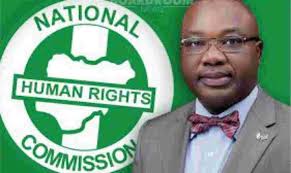
Ahead of the 2027 general election, the National Human Rights Commission (NHRC), has urged authorities and policy makers to prioritize rights of citizens and respect for human dignity over and above the quest to win election and occupy leadership position,
The Executive Secretary of the Commission, Chief Tony Ojukwu, SAN, made the call on Wednesday, as Nigeria joins the rest of the world to commemorate the 2026 International Day of Democracy.
Ojukwu said the day reminds us that democracy is not just about elections, but about the dignity, voice, and rights of every citizen.
He stated that democracy represents the freedom to speak, to choose, to participate, and to hold power accountable without fear; and called on all politicians, political parties and their supporters to exercise restraint and responsibility in public utterances.
He further stressed that democracy thrives on debate, not on hate speech, inciting statements, ethnic profiling, or threats.
A statement by Hajia Fatimah Agwai Mohammed, Director Corporate Affairs and External Linkages at the Commission, quoted Ojukwu to have reiterated that words can build peace or destroy the nation, and urged the political class to make campaigns issue-based and shun any language capable of inciting violence or undermining national unity.
The Chief Human Rights Officer of the country noted that the Commission will continue to monitor hate speech and electoral violence. He called on every eligible Nigerian to rise above voter apathy and actively exercise their civic rights, adding that citizens should not stay away from the polls, sell votes, or believe that votes do not count as these emanate from voter apathy.
Chief Ojukwu lamented that democracy dies when citizens withdraw, and remain silent, he emphasized that the Permanent Voter’s Card remains the power of the people to choose desired leaders.
He therefore urged citizens to come out, vote, and make votes count, describing the choice of leaders as both a right and a duty to Nigeria.
The Executive Secretary who is also the President of the Network of National Human Rights Institutions in West Africa (NNHRI-WA) called on the Federal Government, the Independent National Electoral Commission, and all security agencies to ensure a level playing field for all.
He further stated that government must guarantee the safety of voters, journalists, observers, human rights defenders and the citizens at large.
“Anyone regardless of status or party affiliation, who attempts to make the polity unbearable, who sponsors violence, vote-buying, voter suppression, or attacks on democratic institutions ahead of the 2027 General Elections, must be promptly investigated and prosecuted in accordance with the law, adding that impunity remains the greatest threat to democracy.
In conclusion, Chief Ojukwu called for commitment to a democracy that delivers not just elections, but justice, equality, and human rights for all.
-

 News2 years ago
Senate to speed up conclusion of Nigeria Forest Security Service Bill
-
 News1 year ago
The Many Lies Against Bashir Haske
-

 News3 years ago
Breaking: Tinubu’s authentic ministerial nominees
-
 News3 years ago
“Anytime we want to kill terrorists, President would ask us to take permission from France but they were killing our soldiers-” Niger Republic coup leader
-
 News3 years ago
“I’m leaving the Catholic church because Bishop Onah is oppressing me,” says Okunerere
-

 News3 years ago
My nude photo leak was a mistake- lawyer Ifunanya
-

 News3 years ago
Radio Nigeria’s veteran broadcaster Kelvin Ugwu dies three months after retirement from service
-
 News4 months ago
See your state governor’s performance ranking