
News
VP Shettima begs Nigerians to trust, support Tinubu, explains why FG is prioritizing human capital development

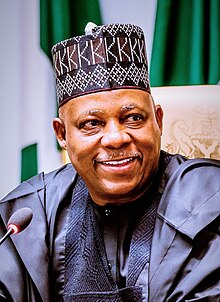
Sen. Kashim Shettima, the Vice President of Nigeria, has said the Tinubu administration is prioritising investment in human capital and related areas because Nigeria’s greatest asset is its people.
The VP made the remarks during the Barewa Old Boys Association (BOBA) Annual Lecture and Awards ceremony in Abuja at the weekend, just as he commended the organizers for the choice of theme for the lecture.
Stanley Nkwocha, Senior Special Assistant to the President on Media and Communications, (Office of the Vice President), a statement Sunday said that the Vice President was at the event by Special Adviser to the President on Political Matters (Office of the Vice President), Dr Hakeem Baba-Ahmed, adding that the theme of the Annual Lecture “expands the horizon for a deeper understanding of the opportunities and challenges at the meeting point between the citizen and the State.”
Delivering the VP’s speech at the event, Baba-Ahmed noted that the direction Nigeria is heading will be determined by the quality of the country’s human assets.
He said, “We are burdened by past and current challenges which will take huge efforts to overcome. We are also beckoned by greatness for which we have been well prepared by our huge endowments in human and other resources. The difference in which direction we go will be located in the quality of our human assets.
“The choices we make today will be critical in determining whether we just continue to grow a population, or we build a strong economy to support and add quality to the life of a huge citizenry because we have invested in developing the quality of our population through good and relevant education, health services, an informed access to developing opportunities in technology and growing our natural resources.”
Stressing the need for good governance and a secured country, VP Shettima sought the support of Nigerians, saying in return, the Tinubu administration would strive to build a less challenging economy.
He continued: “We have to ensure good governance and security as priorities, not least because these are vital to inclusive development and the growth and development of the democratic process. From where we stand, Nigeria has no choice than to think and act boldly.
“We need the support and trust of all Nigerians. In return, we have pledged to lead the nation towards building a less challenging economy, in spite of the current hardships which we wish were avoidable. Nigeria’s greatest asset is its people. We have to rediscover and teach our young wholesome values like service, honesty and hard work. As an administration, we have very clear priorities we believe must be achieved.”
Sen. Shettima expressed optimism that the nation will overcome its current challenges and “lay the foundations of sustainable growth and security of the citizen and communities” under President Tinubu’s watch.
He further noted: “We have to compete with what we have. If we will win the battle to be a great nation, we cannot afford to be discouraged by setbacks and limitations imposed by our past and current circumstances.
“We are a resilient and resourceful people, but we have to put these qualities to use in building a strong economy and country our young will be proud of.”

Nigerian filling stations have reduced their fuel pump price, five days after Dangote Refinery’s gantry price cut.
A market survey on Saturday and Sunday showed that Eterna, NIPCO, AA Rano and Ranoil filling stations have all dropped their fuel pump price to between N1,280 and N1,300, from N1,340 per litre in Abuja and environs.
This means that the aforementioned filling stations cut their fuel pump price by about N35 and N55 per litre.
However, Nigerian National Petroleum Company Limited, NNPCL, retail outlets have not reduced their pump price, which is currently N1,335 per litre.
EDangote Refinery-backed MRS filling stations, on Friday, reduced their fuel price by N76 to N1,241 per litre.
The domestic fuel price reduction followed Dangote Refinery’s cut in the price of petrol at the gantry to N1,175 per litre after a global drop in crude oil prices.
Crude oil prices stood at $76 and $80 for West Texas Intermediate and Brent blends as of the time of filing this report.
It will be recalled that days after the reported completion of a peace deal with United States President, Donald Trump, Iran again shut the Strait of Hormuz, leading to a slight surge in oil prices as of Sunday morning.

The Nigerian Police has said Sunday Igboho was not involved in recent rescue operations of the abduction victims in Igboho community.
It would be recalled that a video went viral on Saturday where community members trooped out in their hundreds to celebrate and glorify Igboho, attributing a recent release of abducted villager to his stern warning to kidnapper to free abductees or face his wrath.
But the police has officially debunked claims that the hostages have been safely released. Furthermore, the Oyo State Commissioner of Police has denied that Sunday Igboho was involved in recent rescue operations.
Yhe Oyo State Police Command dismissed these claims as unsubstantiated, urging the public to rely only on official channels rather than social media rumors. The police also clarified they have no evidence of Igboho’s participation in successful rescue efforts.
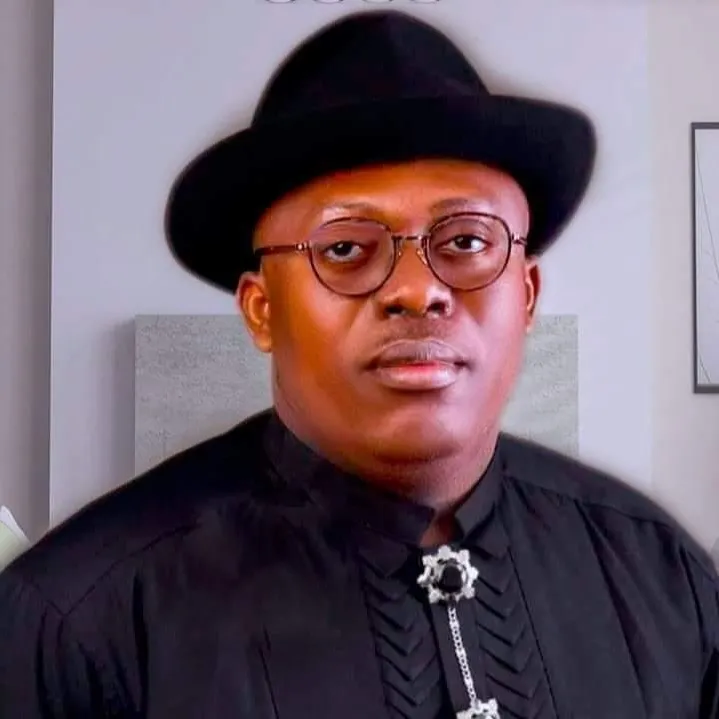
Sir Siminalayi Fubara, the Governor of Rivers State, has extolled the virtues of unconditional love and immeasurable sacrifice as the defining hallmarks of fatherhood and the bedrock upon which families and society are built.
In a goodwill message to commemorate the 2026 Father’s Day celebration, Governor Fubara paid glowing tributes to fathers for serving as the pillars that hold families together and, by extension, strengthen communities across Rivers State and Nigeria.
According to a statement by Onwuka Nzechi, Chief Press Secretary to the Governor on Media, Fubara noted that across the 23 Local Government Areas of Rivers State, fathers labour daily to provide for their families despite the economic and social challenges confronting the nation. According to him, Father’s Day is a special occasion set aside to honour the quiet love and selfless sacrifices that fathers make across generations and throughout the world.
“A father’s love is quiet strength. It is the man who leaves home before dawn and returns after dusk so his children can eat and go to school. It is the man who denies himself so his family can have. It is the firm hand that corrects and the open arms that forgive. That love is the invisible thread that holds our homes together, and that sacrifice is the foundation of our society.
“I have seen fathers labour under the sun, paddle through floods and endure hardship, all so that the next generation will have a better chance than they did. That is heroism without medals,” he said.
Governor Fubara emphasised that when fathers stand, families stand; when families stand, communities stand; and when communities stand, Rivers State stands. He stressed that responsible fatherhood produces stable homes, while responsible sons and daughters help to build peaceful neighbourhoods, harmonious communities and a prosperous state.
The Governor pledged that his administration would continue to draw inspiration from the resilience and sacrifices of fathers in building a Rivers State worthy of their commitment and labour.
He prayed that God would grant every father, grandfather, uncle, guardian and mentor good health, strength and long life to enjoy the fruits of their labour.
Father’s Day, celebrated in Nigeria and many countries around the world on the third Sunday of June, highlights the invaluable contributions of fathers to the family and society at large.
-

 News1 year ago
Senate to speed up conclusion of Nigeria Forest Security Service Bill
-
 News11 months ago
The Many Lies Against Bashir Haske
-

 News3 years ago
Breaking: Tinubu’s authentic ministerial nominees
-
 News3 years ago
“Anytime we want to kill terrorists, President would ask us to take permission from France but they were killing our soldiers-” Niger Republic coup leader
-
 News3 years ago
“I’m leaving the Catholic church because Bishop Onah is oppressing me,” says Okunerere
-

 News3 years ago
Radio Nigeria’s veteran broadcaster Kelvin Ugwu dies three months after retirement from service
-
 News3 years ago
Dokpesi and the Gazebo Mystique
-

 News3 years ago
Tsunami: Tinubu orders dissolution of managements, boards of MDAs, to sack all Buhari’s political appointees