
News
Revitalized MCLE necessary for enhanced dignity and public trust in legal profession- Sir Agabaidu Jideani


The President of the Nigerian Bar Association (NBA) Mazi Afam Osigwe (SAN) and the leadership of the NBA have been taking steps to restore the pride of place enjoyed by the legal profession in Nigeria. In support of these efforts, Sir Agabaidu C. Jideani – an elder of the Garki Branch of the NBA and a one-time Director General and CEO of the Ethics and Corporate Compliance Institute of Nigeria, has suggested the revitalization of Continuing Legal Education (CLE) as a necessary tool in this direction.
While speaking in an interview with some journalists in Abuja, the legal luminary stressed that Mandatory Continuing Legal Education (MCLE) is one of the most useful regulatory measures aimed at ensuring continuing lawyer competence and improve trust in the profession by society.
He also fielded questions on other issues including the position of the lawyer in Nigerian society, increasing public confidence in the legal profession, client communication, enhancing professionalism in the legal profession, and assuring lawyer competence and integrity.
Excerpts:
Q. WHAT DO YOU MEAN BY CONTINUING LEGAL EDUCATION (CLE)
A. Let me start by wishing the entire legal professional family a happy and prosperous new year 2025. I will particularly want to acknowledge the great work and tireless effort of the President of the Nigerian Bar Association, Mazi Afam Osigwe and the NBA National leadership in revitalizing and repositioning the legal profession in Nigeria.
Now to your question – In ordinary and common language, Continuing Legal Education (CLE) refers to the Lawyers’ Professional Development Program that is ongoing and continuous, in the sense that it is not a one-off activity. Traditionally these programs or schemes, if you like, set out a number of hours of learning (as opposed to training) and development that an individual legal practitioner is expected to undertake within a stipulated time frame, usually a year. In other words, the Continuing Legal Education program is a vital component of the Continuous Professional Development (CPD) ecosystem that enables the Nigerian Bar Association (NBA) to manage and improve the ongoing competence of legal practitioners in Nigeria.
As stated by the NBA the CLE Programme is intended to assure that those lawyers enrolled to practice in Nigeria remain current regarding the requisite knowledge, skills, and values necessary to fulfil the professional responsibilities and obligations of their respective practices and work and thereby improve the standards of the legal profession in general.
According to the NBA, all Nigerian Lawyers in legal practice or employment must comply with the Nigerian Bar Association’s Mandatory Continuing Legal Education (MCLE) Programme, failing which there may be penalties that may range from administrative fines to suspension.
Q. PLEASE PROVIDE A BRIEF HISTORICAL BACKGROUND
A. Continuing Legal Education has been around in different forms, within the global legal profession and this was manifested in such programs and initiatives as pupillage, mentorship, practice improvement meetings, etc. however, the use of clearly articulated and institutionalized Continuing Legal Education that is mandatory as a tool of assuring layer competence and professional integrity began in the USA and became more prominent in 1970s and 1980s. it spread worldwide and Australia and Canada established theirs in 1987/1988 and the UK (England and Wales) rolled out its own in 1998. For us in Nigeria the NBA NEC at the meeting in Owerri, Imo State, in 2007 approved the Rules for Mandatory Continuing Legal Education.
Q. WHAT IS THE STRUCTURE OF THE CLE PROGRAM
A. The CLE system is aimed at keeping legal practitioners up-to-date, adequately informed, and knowledgeable to continue in practice and be able to provide services and guidance to the general public and this ensures that the public is protected from incompetent representation.
The structure of the Traditional CLE system is such that legal practitioners are required to attend and complete stated credit hours of CLE-certified training within a given period – say a year. The legal practitioner is subject to disciplinary penalties for failure to complete the mandated CLE credit hours in the stipulated time. One of the drawbacks is that the program as it is at present seems to be oriented towards attendance more than actual learning. Furthermore, practitioners can complete and fulfil the CLE requirements by attending diverse programs available irrespective of their relevance to the peculiar realities of a practitioner’s practice area.
The traditional CLE delivery format involves an expert providing an audience with a lecture or material (in person or online). Most of these lecture-based deliveries provide little opportunity for proper engagement in interactive case-based practical life lessons.
It is our view and contention that some basic adult learning principles should be reflected in the CLE programs including providing working professionals with the kind of environment that enhances learning – preparation, participation, evaluation, accountability, and opportunities to apply new information in a practice setting.
Q. WHAT NEEDS TO BE ADDED TO REVITALIZE THE CLE SYSTEM
A. Generally, the CLE system is mostly based on lectures (whether online or in-person) given by an expert to an audience of legal practitioners and these have sometimes been found to be unengaging and monotonous. The need has been identified for the delivery protocol to be more technology based and modified to include such proven adult learning and working professional learning engagement activities as focal groups, practice team exercises, simulations, reading & practice modules, case reviews, and self-and peer-assessment exercises.
These, we think, will make the program more purpose-centric, interactive and impactful on the CLE efficacy.
Q. WHAT IS THE ROLE OF TECHNOLOGY IN THIS MODIFICATION
A. There is a need for a robust technology backbone that allows for the delivery of online-spaced courses that legal practitioners can undertake at their own time and agreed pace with the intermediation of physical presence and presenters. This allows for flexibility.
Q. WOULD THE IMPROVED AND REVITALIZED CLE SYSTEM BE EFFECTIVE
A. We are pushing for an NBA that is proactive – the Proactive Bar. We have given some thoughts to some gaps in the administration of the CLE System and continuous assessment, monitoring and evaluation of intended outcomes is key component that needs to be introduced. For us effectiveness would be measured from the following indices – a) Legal practitioner’s satisfaction with the program; b) Increased knowledge retention by the participating Legal practitioner; c) Demonstrable improvement in the practice of the Legal practitioner; and Client’s satisfaction with improved legal service delivery.
With an eye on the perennial obligation of the NBA to “Promote the Rule of Law and a Just Society” the CLE is intended to benefit the not just the individual practitioner and the legal profession, but mainly the society which the legal practitioner serves.
Q. WHO IS THE MAIN TARGET OF CONTINUING LEGAL EDUCATION?
A. One of the main purposes of the CLE Scheme is to provide ongoing assurance that legal practitioners are ‘continually competent’ and constantly updated and imbued with the necessary knowledge skills and proficiency required to provide services to the general public, consequently, It is not just the individual legal practitioners, their clients and the NBA who are impacted by the continuing competence of a legal practitioner, but the general public at large. There is the need to provide legal competence assurance that demonstrates the following, that a) The legal profession is satisfying societal expectations – in terms of service delivery in access to legal services and justice, independent legal advisories, support for an independent and impartial adjudicatory system, and standing up and promoting human rights – the beneficiary here is the Society – the Nigerian Community and this is in the public interest; b) The Legal profession is demonstrably seen to be imbued with appropriate standards of knowledge, ethical awareness and integrity in their dealings – the legal profession is the beneficiary of this competence assurance; c) Law Firms are properly managed and ethically run – this show of organizational competence benefit the consumers of legal services and the legal profession itself as well; d) that individual legal practitioners are equipped with relevant proficiencies, skills, knowledge, demeanour and temperament necessary for the seamless provision of their services to the society – the individual practitioner as a legal services provider and the consumers of legal services jointly benefit.
This would indicate that the CLE Scheme is aimed to benefit the more than one group of people.
Q. YOU SPOKE ABOUT CERTAIN NEEDS OF THE SOCIETY
A. Yes, it is important to note that, whilst the individual practitioner may be allowed to take up CLE courses of her choice to make up the relevant CLE credits, the NBA may have to make some of the courses mandatory to ensure that the society is adequately served by a competent legal community.
For example, courses in litigation & judicial stakeholder management may be compulsory for practitioners in litigation, improved service delivery courses may be seen as apt for practitioners serving in the MDAs, Money Laundering and CFT as well as anti-corruption courses may be compulsory for all legal practitioners in Nigeria.
Attention should be paid to function-specific learning for lawyers in different practice areas – like Notaries, Legislative Aides, Local Government Legal Advisers, Lawyers working with Political Parties and election management authorities, lawyers in consumer protection and academia, etc., the proactive Bar speaks to ‘improved competence’ and integrity assurance in all these areas and roles.
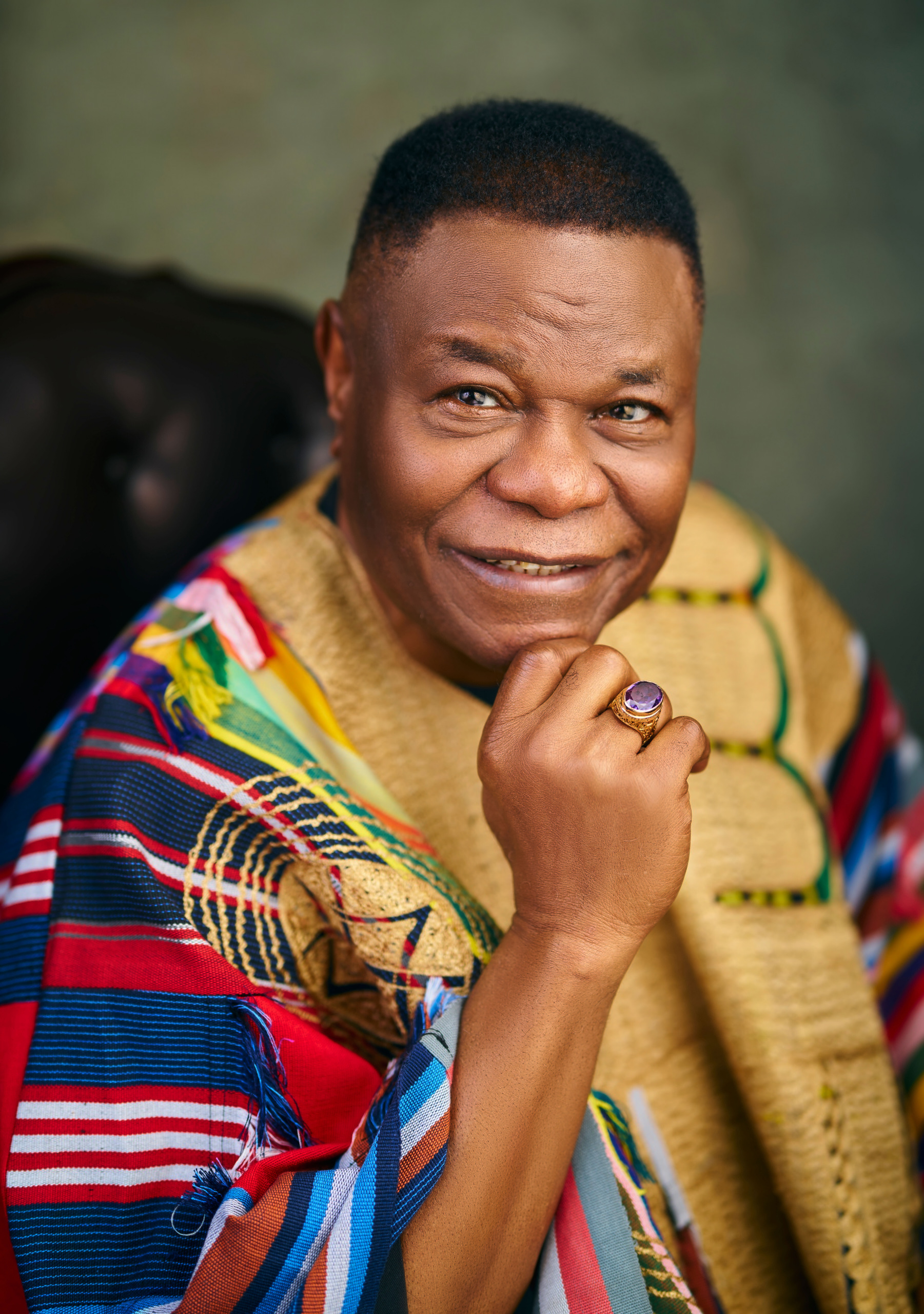
The founder of The Redeemed Evangelical Mission, Bishop Mike Okonkwo, on Sunday took the pulpit at The Fountain of Life Church, Ilupeju, Lagos, where he urged members not to take sides in the ongoing leadership crisis involving Pastor Jimmy Odukoya and his sister, Tolu.
Okonkwo, who made a surprise appearance at the church, said he was prompted by the Holy Spirit to visit and bless the congregation amid the controversy that has rocked the church in the past two weeks.
“I have not slept since 1.30 am. The Holy Spirit said to me, son, go to the Fountain and bless them. That’s why I am here,” he said.
Recalling the death of the church’s founder, Pastor Taiwo Odukoya, Okonkwo described the period as traumatic, saying the late cleric’s legacy must be preserved.
.He said, “And the only thing is that his legacy must continue. And I told you that day that Fountain will never die.”
The bishop, who said the church had been battered by social media discussions in the past one or two weeks, noted that he could not separate himself from the church because of the covenant he believed God had established.
“You can’t separate me from Fountain. It’s not possible. Because it is a covenant that God himself created by himself. So what happens to Fountain affects me,” he said.
Preaching on the topic, “The Glory of the Church”, Okonkwo urged members to remember that the church belonged to God and was not a human institution or political party.
He referenced biblical passages, including Jonah 2:8, 2 Corinthians 2:14, 1 Peter 1:18, Ephesians 1:7 and Colossians 1:14, to emphasise the price paid for the redemption of the church.
Addressing the leadership dispute, he told members not to identify with either of the two sides but to remain committed to God.
“You are not for Tolu or for Jimmy. You are for God. None of them died for you,” he said.
He also warned members against becoming instruments of division in the church.
“We must be careful so that none of us will be an instrument of destroying the church of Christ,” he said.
Okonkwo expressed confidence in the future of the church, saying its growth would continue despite the current challenges.
“Whatever you have seen so far is nothing compared to what is coming,” he said, adding that everything associated with God was progressive.
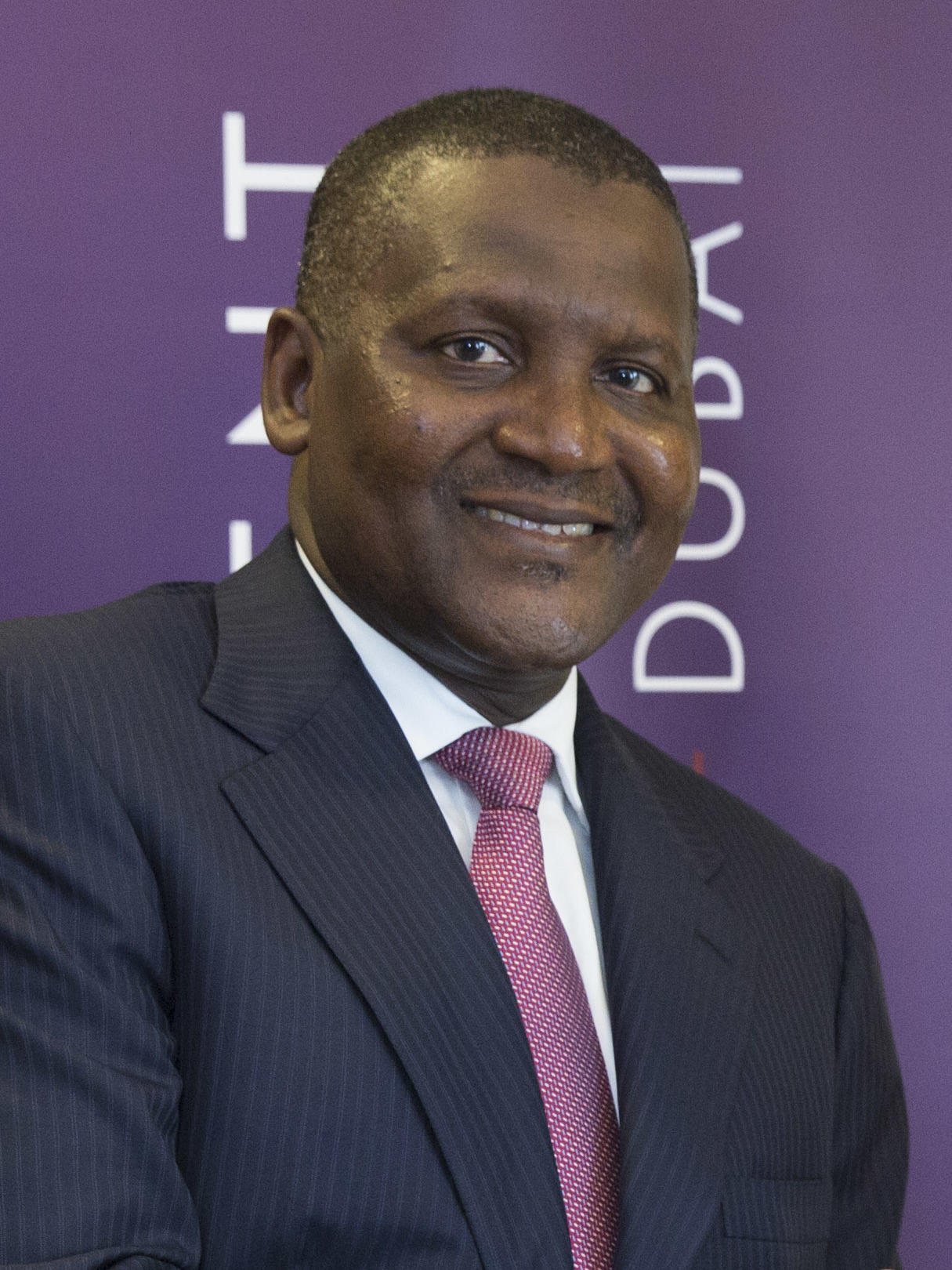
Dangote Coal Mines Limited in Kogi State has disbursed scholarships worth several millions of naira to students from its host communities for the 2026/2027 academic session.
The scholarship scheme is part of its Corporate Social Responsibility (CSR) programmes aimed at fulfilling the extant Community Development Agreement (CDA) between the company and the communities, and as well promoting access to quality education and supporting human capital development.
The scholarship initiative demonstrates the company’s commitment to promoting educational development in its host communities by supporting students, reducing the financial burden on parents and guardians, and providing young people with greater opportunities to achieve their academic aspirations.
General Manager, Special Duties, Mr. Nuhu Elujah represented by Mr. Emmanuel Alonge said the CSR forms part of the company’s broader commitment to promoting sustainable community development and creating opportunities for future generations.
He said beneficiary communities include Awo-Akpali, Awo-Ojuwo, Awo-Akpolokuta, Awo-Atte, Onupi and Ajobe-Ofeanyaka, reflecting the company’s commitment to ensuring that the benefits of its educational support programme reach students across its host communities.
Through the programme, Dangote Coal Mines Limited seeks to broaden educational opportunities, encourage academic excellence and nurture a generation of well-educated and skilled young people who can contribute meaningfully to the development of their communities and the country at large.
He said the scholarship scheme forms part of Dangote Coal Mines Limited’s commitment to fulfilling its Corporate Social Responsibility (CSR) obligations in the CDA to its host communities through impactful programmes and initiatives that promote education, human capital development and social advancement.
He disclosed that the company presented scholarship cheques to 42 students enrolled in various tertiary institutions across the six coal-bearing communities in Ankpa Local Government Area of Kogi State.
According to him, the initiative is designed to ease the financial burden of higher education on beneficiary students and their families, encourage academic excellence and provide young people from the host communities with greater opportunities to achieve their educational aspirations.
He added that the scholarship programme underscores the company’s commitment to inclusive community development and its belief that investing in education is essential to building a skilled, empowered and productive generation capable of contributing to the growth of their communities and society at large.
In a show of appreciation to the company, the Community Leader of Awo-Akpali, Dr. Samuel Adejoh, who spoke on behalf of the other beneficiary communities, commended the management of Dangote Coal Mines Limited for fulfilling its commitments to the host communities.
He noted that the scholarship initiative would go a long way in easing the financial burden on students and their parents, while providing beneficiaries with the opportunity to pursue their academic aspirations without undue financial constraints.
In a related development, the company also disbursed the 2026/2027 annual surface rent cheques to the respective landowners in Awo-Akpali, Awo-Ojuwo and Awo-Akpolokuta communities.
The beneficiaries expressed appreciation to the company’s management for the prompt payment of the annual surface rents, describing the gesture as a demonstration of its commitment to maintaining a cordial relationship with its host communities.
They urged the company to sustain the timely payment of the rents, noting that the financial support would help alleviate the economic challenges facing the landowners and their families.

The Nigerian Army has honoured 14 senior officers, including a Lieutenant General, Major Generals and Brigadier Generals, at a pulling-out parade held to mark their retirement from service.
The Army disclosed this in a Facebook post announcing the ceremony, which took place at the Brigadier General Y. Abubakar Parade Ground, Obienu Barracks, Bauchi.
The officers honoured are Lieutenant General AB Ibrahim; Major Generals MS Ahmed, OC Ajunwa, JO Ochai, IS Ali, SG Muhammed and IM Jallo; and Brigadier Generals S Ahmadu, VO Ita, UM Aliyu, AG Nura, T Isa, EB Barkins and AM Usman.
According to the Nigerian Army, the ceremony recognises the officers’ distinguished service, sacrifices and contributions to the military and the country.
It described the pulling-out parade as a time-honoured military tradition symbolising honour, institutional appreciation and continuity.
The Army added that the event celebrates the enduring legacies of the retiring officers and their contributions to the growth and operational development of the Nigerian Army Armoured Corps.
-

 News2 years ago
Senate to speed up conclusion of Nigeria Forest Security Service Bill
-

 News1 year ago
The Many Lies Against Bashir Haske
-

 News3 years ago
“Anytime we want to kill terrorists, President would ask us to take permission from France but they were killing our soldiers-” Niger Republic coup leader
-

 News3 years ago
Breaking: Tinubu’s authentic ministerial nominees
-
 News6 months ago
See your state governor’s performance ranking
-

 News3 years ago
“I’m leaving the Catholic church because Bishop Onah is oppressing me,” says Okunerere
-

 News4 years ago
My nude photo leak was a mistake- lawyer Ifunanya
-

 News3 years ago
Radio Nigeria’s veteran broadcaster Kelvin Ugwu dies three months after retirement from service