News
Ekweremadu: The man who ‘loved’ Nigeria

By Abimbola Adelakun
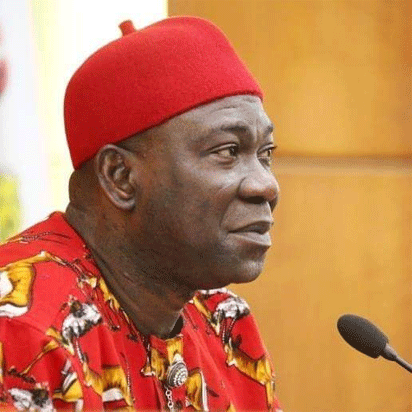
In the opening pages of his book, Who Will Love My Country: Ideas for Building the Nigeria of Our Dreams, Senator Ike Ekweremadu unapologetically declared his love for Nigeria saying, “I love Nigeria and will forever love it.”
The book contents, the regular sweet nothings Nigerian leaders preachify but which they cannot stretch themselves to live by, now take a new meaning in the light of his fall from the grace of deputy Senate presidency to a convicted prisoner.
When you consider the past 11 months when he and his wife, Beatrice, were tried in a London court for organ trafficking, you will understand why the man loved Nigeria as fiercely as a scoundrel raised by indulgent parents.
Hardly had the arrest of Ekweremadus been announced when sympathies poured in for them. From Senators Dino Melaye and Smart Adeyemi to the Labour Party presidential candidate Peter Obi, they were never short of commiseration. Ebonyi State Government announced it stood with his family and asked the UK Government to be considerate of their children’s plight. Speaker of the House of Representatives Femi Gbajabiamila too requested the Nigerian High Commission in the UK to give him needed support (and those ones hired a lawyer for him shortly after). Colleagues in the Senate visited the Ekweremadus, and some even attended the court sessions to show support. Former president Olusegun Obasanjo the letterman wrote to the Chief Clerk of the Central Criminal Court of England to beg for mercy in their sentencing. Speaker of ECOWAS Parliament, Rt. Hon. Dr. Sidie Mohamed Tunis, and Head of Diplomatic Mission to the Federal Republic of Nigeria, Dr Duru Hezekiah, also appealed to the UK Government for leniency. Both chambers of the National Assembly also begged for mercy. Even the Chair of Nigerians in Diaspora Commission, Abike Dabiri-Erewa, who once advised Nigerians to shun crimes while abroad set aside her conviction and joined in the plea for leniency. Her disdain for Nigerians caught in the vortex of crime abroad does not seem to extend to the political elite.
In all the demonstration of anxieties by several highly placed Nigerians not used to seeing their fellow “big man” in jail was a glaring omission: some fellow feeling or even as much as a thought spared for the other Nigerian—the poor young man whose kidney would have been harvested— involved in the matter. There were times during the months of trial I wondered how that young man felt when he saw the overwhelming support from official quarters for the person who was going to rob him of his life. He must have felt lonely, invisible, unsupported, and inconsequential.
With all the high-powered support he received, it is understandable why Ekweremadu would love Nigeria with all his heart. Who would not love a country where the powers that be commit themselves to work in your favour? Why would he not love a country that sides with him against his victimised countryman? The demonstration of support that the Nigerian political class offered Ekweremadu against that young man proved how much our society lacks an appreciation of justice. If that young man had walked into a Nigerian police station to report that a big man wanted to harvest his organs, nothing would have happened. Apart from our lax laws on organ harvesting, our justice system abhors the idea of punishing a big man for an infraction committed against a lowly nobody. In a country where people buy human body parts for N50,000 or even less, Ekweremadu would even have been commended for offering N3.7m. He would even have been garlanded to assuage the shame of the allegation. He would be given the title of “Fiwajoye” or something similarly ridiculous.
Given what we know about the crime of the Ekweremadus, I am baffled some Nigerians think it was their parental instinct that went on overdrive. Even if you do not find their attempt to jump the long queue for organ donation immoral, how about the paltry sum they offered their victim? The boy is around the same age as their daughter. If the transaction had sailed through, it would have been tantamount to shaving off a part of the young man’s life to extend their daughter’s own. What would have at least been moral in such a shady transaction would be to make a willing donor an offer that can at least guarantee them a quality life. Imagine the victim had been returned to Nigeria and fallen sick sometime later, how would he have coped? Even with all the mad love Ekweremadu proclaimed for Nigeria, he did not entrust his child’s life to the dilapidated hospital system in the country.
One clown who labelled himself a “deep thinker” even blamed the Ekweremadus’ travails on the average Nigerian southerners’ tendency to pull down their own. He said if the person involved were a northern Muslim, he would have sought refuge from a mosque rather than inform the law enforcement agents. Such a mindset, reeking of the southern Nigerian condescension that serially stereotypes the average northerner as meek and lacking agency, is irritating and problematic on all levels. Why should the person whose life was undervalued hesitate to affirm their self-worth so that one big man somewhere would not be accountable to the law? The road that leads home might be far, but even the lowly-born slave has a father.
In a country like Nigeria where people with kidney disease and who can afford the expense have to go to India for medical care, what would have become of that poor guy if they had taken his kidney for a measly sum? The fact that the Ekweremadus priced the young man’s life less than the cost of a business class flight ticket from Nigeria to London shows they are depraved and wicked. Actually, what they proposed to do is what Nigerian leaders have done since forever. They take and take and take from the people, and that is all they know how to do. They have been robbing our society of the vital organs that it needs to function, and it is nothing to them to try to take a bodily organ just to shore up their own lives.

Health professionals have warned that regular consumption of shawarma containing high amounts of salt, sugar, fat, seasoning and processed meat may contribute to hypertension, obesity, diabetes and kidney disease.
Excessive salt can raise blood pressure and put additional strain on the kidneys, while high-calorie sauces may contribute to weight gain.
Nutrition experts advised Nigerians to eat shawarma in moderation, use less mayonnaise and other sauces, choose lean grilled meat and add more vegetables. Consumers were also urged to check vendors’ cleanliness and avoid food prepared where ingredients are exposed to flies, dust or poor handling.
A recent report by experts also warned that frequent consumption of Shawarma may increase the risk of other food-borne infections and long-term health problems.
The report contains documented cases of people who suffered vomiting, diarrhoea, stomach pain and weakness after eating shawarma, with some requiring hospital treatment.
According to the report, poor hygiene could allow bacteria and other contaminants into shawarma, causing illnesses including cholera, dysentery, typhoid and salmonellosis.
It also raised concerns about mayonnaise and creamy sauces kept without proper refrigeration and warned that poor storage could encourage bacterial growth and increase the risk of food poisoning.
A study cited in the report found bacterial contamination in ready-to-eat shawarma sold on the streets
Experts also raised concerns about processed meat such as sausage, noting that the International Agency for Research on Cancer classifies processed meat as carcinogenic to humans.
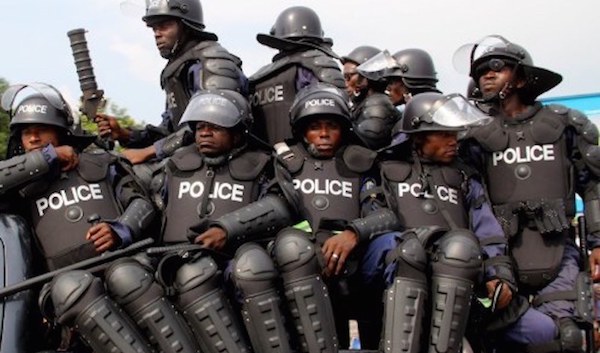
The mystery surrounding the death of a man whose body was found by the roadside in Abuja has taken a new turn, with police tracing the case through his missing mobile phone to a married woman who allegedly spent time with him at a hotel.
The FCT Commissioner of Police, Mohammed Sanusi, disclosed this on Saturday in Abuja, saying investigators arrested Rukayat Muhammed after tracing the deceased’s final communications.
The man was found dead on August 26 along the Kubwa Expressway, near Katampe under the bridge, after his family had earlier reported him missing.
According to the police, the case initially raised suspicion of a possible “one chance” incident. Investigators, however, established that the dead man was the missing person after identifying his remains.
Sanusi said the deceased’s mobile phone was missing and had been switched off. Police investigators subsequently traced his last known communication, leading them to Rukayat, a resident of Garki Area 2.
Investigators reportedly discovered that Rukayat, who is married, was allegedly in a romantic relationship with the deceased. The police said she had saved his contact under the name “Safiyat.”
The CP said the pair had lodged at Good Samaritan Guest House on 2nd Avenue, Gwarinpa, where the man later died.
Sanusi said Rukayat allegedly discovered that the man was no longer breathing but failed to alert the police or hotel management. Instead, she allegedly took his phone and left the hotel.
The case took another turn when hotel management later discovered the man’s body inside the room after attempts to contact the occupants failed.
Rather than reporting the discovery, two hotel staff members, Ibrahim Omeiza and Kefat Bitrus, allegedly removed the body from the room and transported it to the Kubwa Expressway, where they dumped it under the Katampe bridge.
The police said the action was apparently intended to distance the hotel and its management from the death.
Sanusi said detectives were still working to establish exactly how the man died and determine the individual roles of those connected to the incident.
He warned that anyone found to have participated in the death, concealment or abandonment of the body would face prosecution.
The commissioner said the investigation remains ongoing.
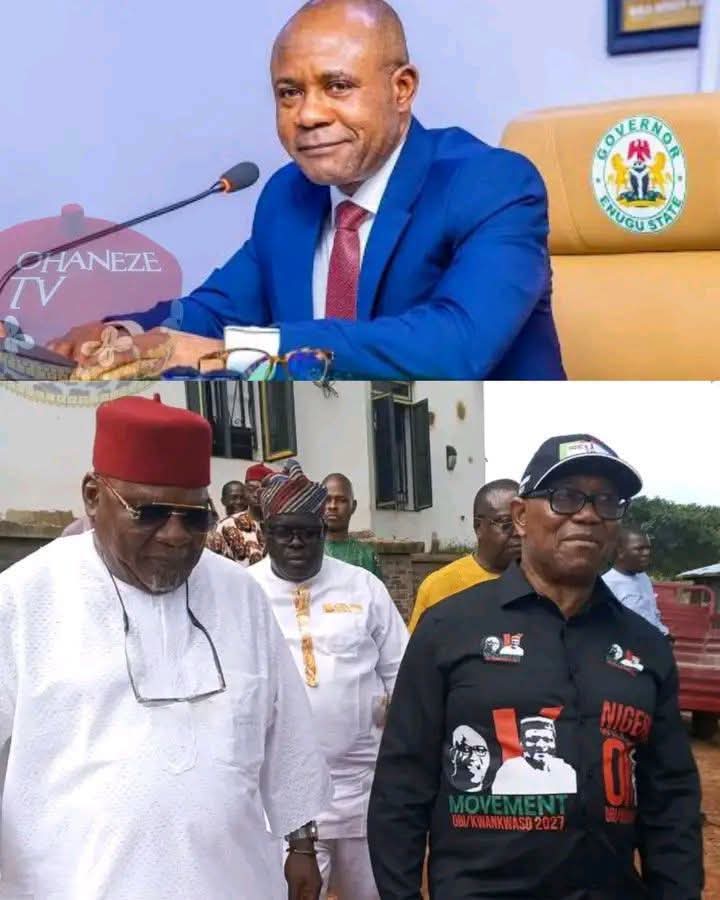
The Enugu State Government has suspended His Royal Majesty, Igwe Eze William Ezugwu, the traditional ruler of Ibagwa Ogbozalla Opi Autonomous Community, in Nsukka Local Government Area of Enugu state.
The state government accused Igwe Ezugwu of violating provisions of the state’s Traditional Rulers Law.
In a letter of suspension dated September 24, the Enugu State Government cited his alleged failure to constitute his cabinet, failure to establish a Town Union governing body, and persistent conduct deemed inconsistent with the laws governing traditional rulers in the state.
The suspension comes barely three weeks after Igwe William Ezugwu received NDC presidential candidate Peter Obi at his palace in Opi, Nsukka LGA, where he reportedly blessed Obi’s presidential ambition.
-

 News2 years ago
Senate to speed up conclusion of Nigeria Forest Security Service Bill
-

 News1 year ago
The Many Lies Against Bashir Haske
-

 News3 years ago
Breaking: Tinubu’s authentic ministerial nominees
-
 News3 years ago
“Anytime we want to kill terrorists, President would ask us to take permission from France but they were killing our soldiers-” Niger Republic coup leader
-
 News3 years ago
“I’m leaving the Catholic church because Bishop Onah is oppressing me,” says Okunerere
-

 News3 years ago
My nude photo leak was a mistake- lawyer Ifunanya
-
 News4 months ago
See your state governor’s performance ranking
-

 News3 years ago
Radio Nigeria’s veteran broadcaster Kelvin Ugwu dies three months after retirement from service