
News
Ireti Kingibe mourns Enugu senator Okay Ezea

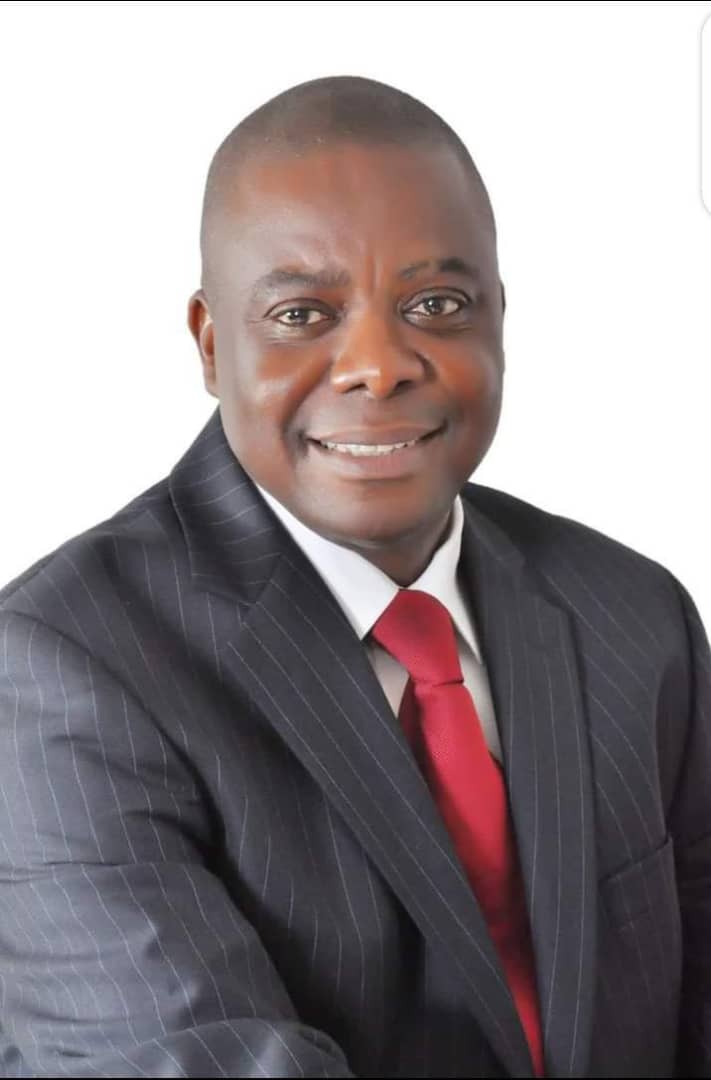
By Bonaventure Phillips Melah
The senator representing the Federal Capital Territory, FCT, Senator Ireti Kingibe, has expressed shock over the news of the death of Okechukwu Ezea, the Senator.
Until his death on November 18, Okay Ezea represented Enugu North Senatorial District at the upper chamber of the national Assembly.
In a tribute which she personally signed, Senator Kingibe described the late lawmaker as a brother, saying his passing was a devastating blow to his family, friends, his constituency and Nigeria in general.
She also prayed God to grant his soul eternal peace and his family, the fortitude to bear the irresponsible loss.
“It is with deep sorrow that I extend my heartfelt condolences to the family of our departed brother and colleague, the late Distinguished Senator Okey Ezea. His passing is a profound loss not only to those who loved him dearly, but to our nation, which he served with unwavering commitment and honour.
“Senator Okey Ezea was a man of clarity, courage, and conviction. He stood firmly for what he believed was right, championed the needs of his people, and worked tirelessly for the progress of our country. His voice, his passion, and his dedication to public service will be remembered with great respect.
“To the Ezea family, I pray that the Almighty comforts you in this moment of grief. May God grant you strength to bear this painful loss, peace to calm your hearts, and grace to carry forward his legacy with pride. May His presence be your refuge in this difficult time.
‘I also pray that Senator Okey Ezea’s soul finds eternal rest, and that his memory continues to be a blessing to all who knew him and to the nation he served.
“On behalf of the Federal Capital Territory, I stand with you in mourning, in prayer, and in solidarity.
“May God bless, strengthen, and uphold the Ezea family now and always. Amen,” Senator Ireti Kingibe said.
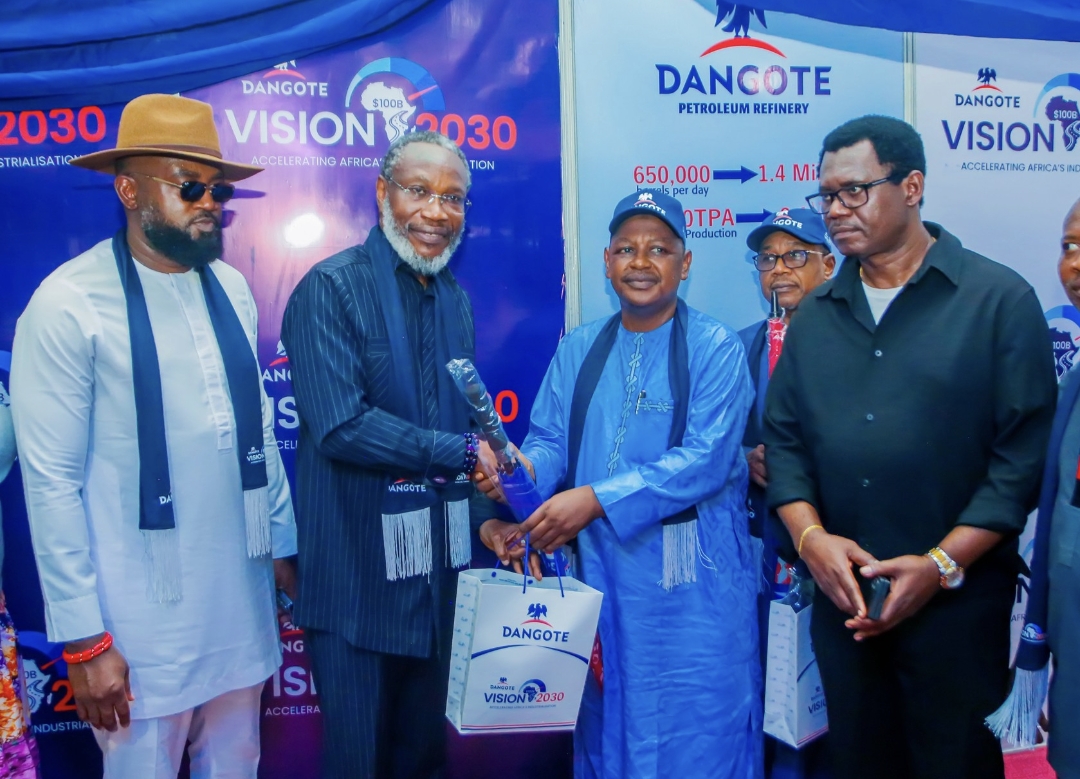
The Dangote Group has reaffirmed the critical role of domestic production in strengthening Nigeria’s economic resilience.
The Group stated this weekend through its Group General Manager, Mr. Abdullahi Bello Danmusa, who represented the Regional Director/Senior Adviser to the Dangote Group President/CE, Fatima Wali-Abdurrahman, at the Dangote Special Day at the ongoing Abuja International Trade Fair.
Speaking on the theme of this year’s Trade Fair, “Resilience: Trade, Taxation and the Economy,” Mr. Danmusa said taxation remains a fundamental component of national development, stressing that Dangote Group takes its tax obligations seriously and contributes substantial revenues to government annually, while also supporting employment, enterprise and value creation across its operations.
He said trade could achieve greater economic impact when it is supported by strong domestic productive capacity.
“Trade becomes more meaningful when it is supported by production. No country can build lasting resilience by depending excessively on imports that it has the capacity to produce competitively at home.
“This is why Dangote Group continues to invest in manufacturing and industrial capacity across cement, sugar, salt and seasoning, packaging, fertiliser, petrochemicals and petroleum refining.
“The theme of this year’s Trade Fair, ‘Resilience: Trade, Taxation and the Economy,’ speaks directly to the realities of our time.
“Nigeria’s economic resilience will ultimately depend on a fundamental choice: to continue to import what we can produce, or build the capacity to produce, compete and export.”
Danmusa noted that strengthening domestic manufacturing capacity would help deepen economic activity, create jobs, support local enterprises and reduce excessive dependence on imported products.
He added that the Group’s investments across various sectors reflect its commitment to supporting Nigeria’s industrialisation and contributing to the development of a more productive and resilient economy.
Also speaking at the Dangote Special Day, the First Deputy President of the Abuja Chamber of Commerce and Industry (ACCI), Prof. Adebisi Adesugba, commended Dangote Industries for its contribution to Nigeria’s economic development.
Adesugba, who represented the President of ACCI, Emeka Obegolu, SAN, said the longstanding partnership between Dangote and the Chamber demonstrates the important
He noted that Dangote’s strategic investments in sectors including cement, fertiliser, agriculture, refining and petrochemicals have contributed to strengthening domestic productive capacity, creating employment opportunities, reducing dependence on imports and supporting foreign exchange generation.
“ACCI recognises Dangote not only as an exhibitor and sponsor, but also as a strategic partner.”
He said the partnership between ACCI and Dangote has contributed to creating opportunities for businesses and entrepreneurs while supporting trade, investment and sustainable economic development.
Adesugba further expressed the Chamber’s appreciation for Dangote’s longstanding relationship and partnership with ACCI, describing the collaboration as an important platform for strengthening the business community and advancing economic opportunities.
The Dangote Special Day brought together business leaders, government representatives, investors, exhibitors, entrepreneurs and other stakeholders as part of activities at the ongoing Abuja International Trade Fair.
Also speaking at the Dangote Special Day, the First Deputy President of the Abuja Chamber of Commerce and Industry (ACCI), Prof. Adebisi Adesugba, commended Dangote Industries for its contribution to Nigeria’s economic development.
Adesugba, who represented the President of ACCI, Emeka Obegolu, SAN, said the longstanding partnership between Dangote and the Chamber demonstrates the important role of responsible corporate participation in promoting commerce, investment and entrepreneurship in Nigeria and across the African sub-region.
He noted that Dangote’s strategic investments in sectors including cement, fertiliser, agriculture, refining and petrochemicals have contributed to strengthening domestic productive capacity, creating employment opportunities, reducing dependence on imports and supporting foreign exchange generation.
“ACCI recognises Dangote not only as an exhibitor and sponsor, but also as a strategic partner.”
He said the partnership between ACCI and Dangote has contributed to creating opportunities for businesses and entrepreneurs while supporting trade, investment and sustainable economic development.
Adesugba further expressed the Chamber’s appreciation for Dangote’s longstanding relationship and partnership with ACCI, describing the collaboration as an important platform for strengthening the business community and advancing economic opportunities.
The Dangote Special Day brought together business leaders, government representatives, investors, exhibitors, entrepreneurs and other stakeholders as part of activities at the ongoing Abuja International Trade Fair.
The event provided an opportunity for stakeholders to engage on issues around taxation, trade, industrialisation, investment, domestic production and the broader prospects for Nigeria’s economic development.
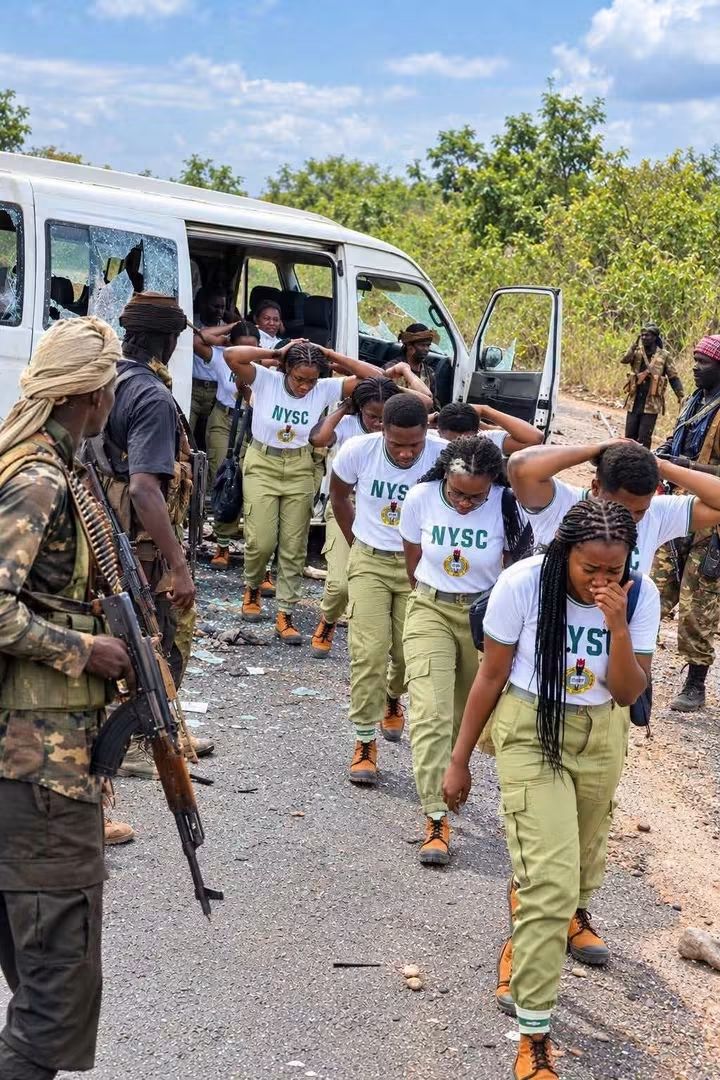
The Inspector General of Police (IGP) Olatunji Disu, has deployed the Deputy Inspector-General of Police (DIG) in charge of Operations, Shehu Umar Nadada, to Imo State to provide operational leadership and strengthen ongoing efforts to rescue the 20 prospective National Youth Service Corps (NYSC) members and other passengers abducted along the Owerri-Onitsha Road at Umunoha on October 1, 2026.
Force Public Relations Officer, Force Headquarters, CSP Anietie Iniedu, disclosed in a statement on Friday that DIG Nadada arrived Imo State alongside two Commissioners of Police and immediately carried out an on-the-spot assessment of the security situation and the search-and-rescue operations being coordinated by the Imo State Police Command.
During the visit, the DIG reviewed operational strategies, personnel deployments, and the utilization of security assets. He also issued fresh directives aimed at enhancing the effectiveness of the coordinated rescue mission.
The assessment was conducted in the company of the Commissioner of Police, Imo State Command, CP Audu Garba Bosso; the Commissioner of Police, Federal Operations, CP Akpan Anifiok; the Commissioner of Police in charge of the Police Mobile Force, CP Nendel Joseph Gomwalk; other service commanders; and members of the Imo State Police Command management team.
According to Iniedu, the police have intensified the search operation, deploying additional tactical teams and operational resources to identified locations.
He said the operation was being reinforced through intelligence-led efforts to track the abductors, alongside coordinated operations with other security agencies.
Nadada, according to the statement, assured members of the public that the police would continue working to secure the safe release of those abducted.
“The Nigeria Police Force is committed to securing the safe rescue of the 20 abducted persons and will sustain the operation until the mission is successfully concluded,” Iniedu quoted Nadada as saying.
The DIG appealed to members of the public and the media to remain calm and vigilant, while urging anyone with credible information that could assist the rescue operation to report to the police or the nearest security formation.
“All information received will be treated with strict confidentiality,” he said.
The police said further information on the rescue operation would be made available as developments unfold.
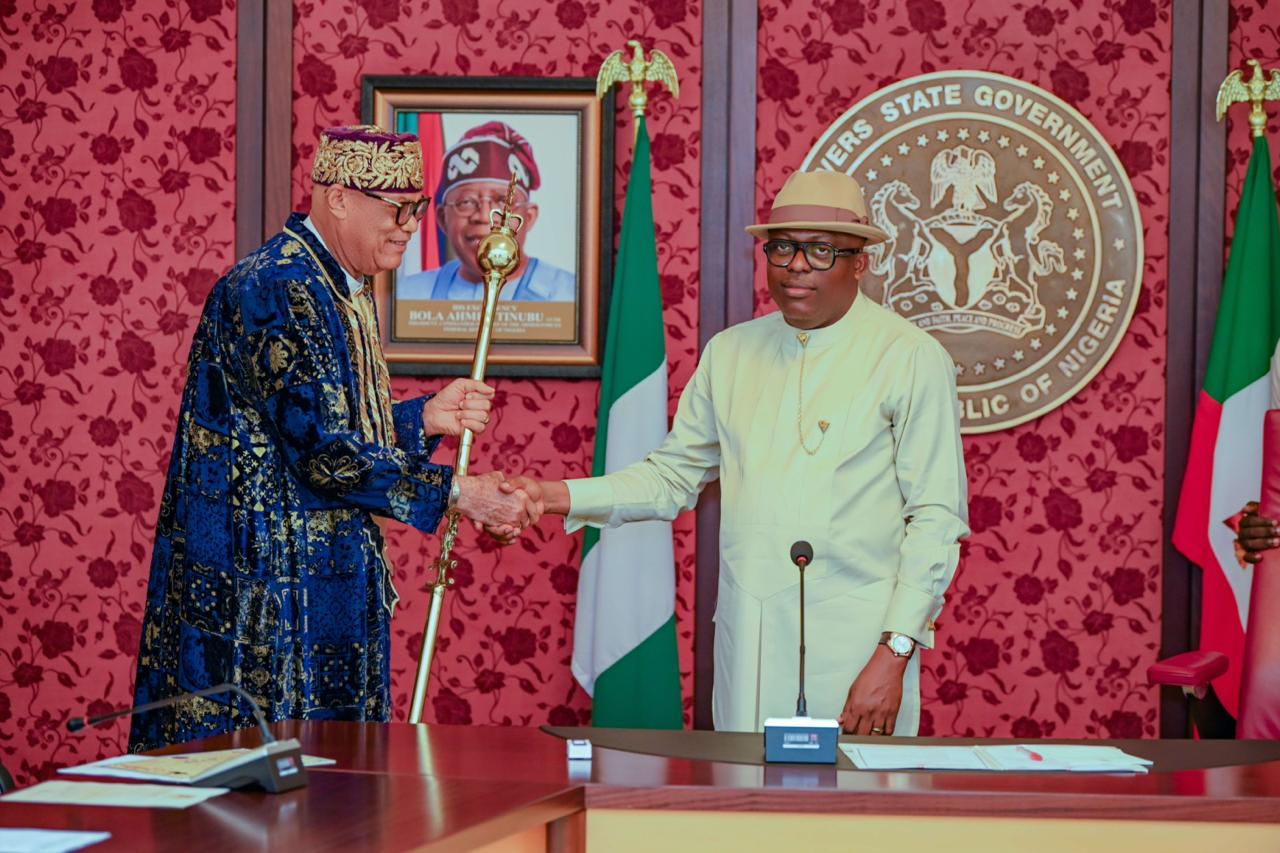
Photo caption: Governor of Rivers State, His Excellency, Sir Siminalayi Fubara (right) presenting the Staff of Office to His Majesty King Charles Douglas Mac-Pepple Jaja Jeki VI (left),the newly crowned Amanyanabo of Opobo Kingdom at Government House Port Harcourt on Friday.
Governor of Rivers State , His Excellency, Sir Siminalayi Fubara, on Friday formally presented the Certificate of Recognition and Staff of Office to the new Amanyanabo of Opobo Kingdom, His Majesty King Charles Douglas Mac-Pepple Jaja, Jeki VI, urging the new monarch to promote peace, unity and inclusiveness in the kingdom.
The governor while congratulating the new monarch, for successfully scaling the hurdles of selection and coronation, urged the royal father to see contenders who lost out of the selection process, not as victims but as comrades who must be carried along for the kingdom to move forward during his reign.
Speaking during the presentation ceremony in Government House, Port Harcourt, Governor Fubara apologized for his absence at the coronation, explaining that it was due to a call to higher national service, but that his spirit and soul were fully with the kingdom throughout the process.
He declared that history will remember his administration for peacefully laying to rest the late King, Douglas Dandeson Jaja, and mid-wifing the emergence of a new monarch without litigation.
The Governor, who said he remains one of the proudest persons on earth for the success of the transition, disclosed that the late king’s stool was enmeshed in a legal battle that lasted over 27 years, and that it took the wisdom and deliberate intervention of his administration to manage the selection process to avoid another round of court cases.
He emphasized that contrary to insinuations by mischief makers who tried to politicise his absence, his government was fully responsible for the entire process from burial of the late king to the coronation and recognition.
“Our presence was not just in that process alone. Every logistics that were required, there is nobody that can say he’s the one that did it. We did it. So, that is also a key issue in the process. So, for those people who like using everything for politics, my absence was not an intentional thing; it was a call to service. So the fact that I was unable to make it doesn’t mean that I do not value, appreciate or support the process,” Governor Fubara said.
He said the true test of kingship is in the management of success, and prayed that the new reign will usher in greater development in education, healthcare and small businesses, which he said remain the only sustainable antidotes to the growing criminality among youths.
The Governor, who described Opobo as one of the most peaceful Local Government Areas in the State, charged the new king to maintain zero tolerance for criminality, to be intentional and decisive in protecting the kingdom, and not to compromise on security on the grounds of kinship.
Governor Fubara assured the monarch of the continuous support of his administration both in and out of office, while also charging the Alapu Council to guide the king and the titled citizens to redirect their purpose from mere ceremonial uniformity to initiating tangible development projects that will be visible in the kingdom within the next one year.
In an acceptance speech, the newly installed Amanyanabo of Opobo Kingdom, His Majesty King Jaja Jeki VI, pledged to build Opobo on the pillars of service, inclusion and vision, in honour of the legacy of the great King Jaja who founded the kingdom 156 years ago with trade and diplomacy.
Describing the Staff of Office as more than a symbol of authority, the monarch said it represents a sacred trust from the government and people of Rivers State to lead with justice, peace and dignity.
In a statement, Onwuka Nzechi, Chief Press Secretary to Governor Fubara, quoted the monarch to have expressed deep gratitude to God, the ancestors, Governor Fubara, the Opobo Council of Alapu, titled citizens, elders, women and youths for the confidence reposed in him to lead Opobo into its Sixth Chapter.
The new king assured the Rivers State Government that under his reign, Opobo Kingdom will remain a dependable partner for peace, development and unity of Rivers State.
-

 News2 years ago
Senate to speed up conclusion of Nigeria Forest Security Service Bill
-

 News1 year ago
The Many Lies Against Bashir Haske
-

 News3 years ago
Breaking: Tinubu’s authentic ministerial nominees
-
 News3 years ago
“Anytime we want to kill terrorists, President would ask us to take permission from France but they were killing our soldiers-” Niger Republic coup leader
-
 News3 years ago
“I’m leaving the Catholic church because Bishop Onah is oppressing me,” says Okunerere
-
 News4 months ago
See your state governor’s performance ranking
-

 News3 years ago
My nude photo leak was a mistake- lawyer Ifunanya
-

 News3 years ago
Radio Nigeria’s veteran broadcaster Kelvin Ugwu dies three months after retirement from service