
News
The Hypocrisy of Modern Religion in Nigeria

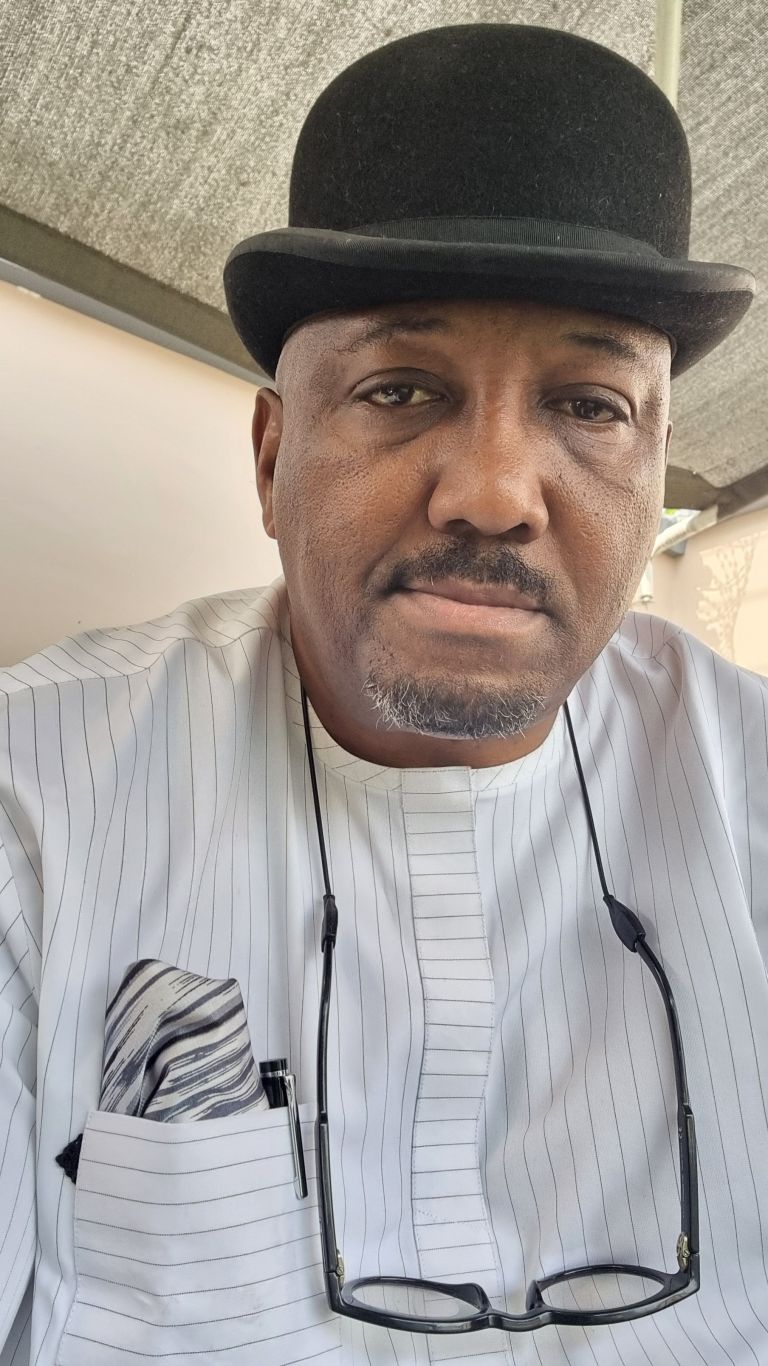
By Chimazuru Nnadi-Oforgu Duruebube
As I reflect on the state of religion in Nigeria at the start of 2025, I am struck by how far modern Christianity in this country has deviated from the teachings of Jesus Christ. The story of Jesus—a child born into poverty, raised under political oppression, and ultimately executed for challenging corrupt systems—resonates deeply with the realities of many Nigerians today. Yet I wonder: if Jesus were born in Nigeria in this age, would he be celebrated or rejected? Would society embrace his radical message, or would it cast him aside as a troublemaker?
The Nigerian Church and Its Betrayal of Jesus’ Teachings
Let’s be honest—many Nigerian churches today have abandoned the revolutionary legacy of Jesus Christ. The man who fed the hungry, healed the sick, and stood against oppressive systems has been reduced to a mascot for wealth and influence. Prosperity gospel sermons glorify materialism, while the poor, vulnerable, and marginalized are often ignored or exploited.
Imagine Jesus walking into a Nigerian mega-church today. Would he be welcomed for his humility, equality, and justice? Likely not. He would probably be branded a threat to “men of God” who profit from the very systems he would challenge. The Nigerian church has increasingly aligned itself with the political and economic elite, abandoning the downtrodden masses Jesus championed.
The Sanitization of Jesus in Nigeria
In Nigeria, Jesus has been sanitized into a feel-good figurehead for religious festivities. Christmas, for instance, has become a celebration of consumerism and excess, overshadowing its message of humility and compassion. Extravagant spending, flashy decorations, and endless celebrations dominate the season, while millions of Nigerians struggle with poverty, hunger, and displacement.
Where is the compassion for the beggars on our streets or the displaced families in IDP camps? Where is the solidarity for the poor, the widows, and the orphans? While the Nigerian church preaches about Jesus, it often forgets the essence of his message—a call to serve “the least of these.”
What Would Jesus Do in Today’s Nigeria?
If Jesus were born in modern Nigeria, what would his message be? Would he remain silent about corruption at every level of governance? Would he ignore the widening gap between the rich and the poor, or the millions suffering from police brutality, substandard healthcare, and economic exploitation?
Jesus, as I understand him, would stand firmly against the injustices that plague our country. He would speak out against the oppression of ordinary Nigerians and confront the political elites who hoard wealth while the masses starve. He would rebuke religious leaders who collect tithes from the poor while building luxury universities and private jets.
But how would Nigerians respond to such a figure? The truth is uncomfortable: Jesus would likely be dismissed as a radical troublemaker. He would face opposition from both politicians and religious leaders who benefit from the systems he would challenge.
The Church’s Complicity in Nigeria’s Oppression
One of the most troubling aspects of modern religion in Nigeria is its complicity in oppression. Churches, which should serve as sanctuaries of hope and justice, often align themselves with corrupt politicians and businessmen. Instead of standing for truth and justice, they preach submission to authority—even when that authority exploits and oppresses the people.
This is not the faith of Jesus. The man who overturned the tables of the money changers in the temple would find no place in today’s prosperity-driven Christianity. Instead, he would likely be ostracized for exposing the hypocrisy of religious institutions.
A Call for Reflection: What Does Faith Mean in 2025?
As we enter the new year, Nigerians must take a hard look at their faith. Are we following the teachings of Jesus, or are we using his name to justify selfish ambitions? Are we willing to stand against injustice and corruption, or are we content with celebrating a commercialized version of Jesus while ignoring the suffering around us?
The hypocrisy within the Nigerian church is glaring. How can we celebrate the birth of a child who fled persecution as a refugee while ignoring the plight of displaced Nigerians in IDP camps? How can we honor Jesus, who fed the hungry and healed the sick, while tolerating a healthcare system that fails the poor?
If we are to truly honor Jesus, we must reclaim his transformative message. We must demand justice for the oppressed, care for the poor, and confront corruption head-on. The church must return to being a voice for the voiceless, not a tool for the powerful.
Conclusion: The Choice Before Us in 2025
As we leave behind the Christmas season and step into 2025, let us remember not just the baby in the manger, but the man who challenged the status quo. Jesus stood for justice, compassion, and love for the marginalized. His message is more relevant than ever in a country like Nigeria, where inequality and oppression are rampant.
The question for us as individuals and as a nation is simple: will we follow his example, or will we continue to betray his legacy? The choice is ours. Let 2025 be the year we choose justice, compassion, and true faith over hypocrisy and complacency.
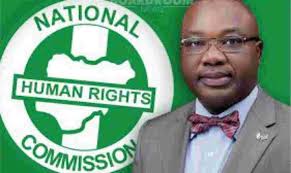
….The Commission wants IGP to address use of excessive force by police
The Executive Secretary of the National Human Rights Commission (NHRC), Dr. Tony Ojukwu OFR, SAN, has strongly condemned the alleged extrajudicial killing of a 28-year-old Nigerian, Mene Ogidi, by a police officer, ASP Nuhu Usman, on April 26, 2026, in Efurun, Uvwie Local Government Area of Delta State.
In a statement issued in Abuja, Dr. Ojukwu described the incident as “deeply disturbing and a direct assault on human dignity, the Constitution of the Federal Republic of Nigeria, and the rule of law.”
He stressed that no Nigerian should lose their life at the hands of those sworn to protect them, reiterating that every life matters and must be protected.
According to him, “the reported action of the officer involved is condemnable, unacceptable, and completely inconsistent with the principles of justice and a civilized society.”
The statement which was signed by Hajia Fatimah Agwai Mohammed, Director, Corporate Affairs and External Linkages, quoted Ojukwu to have expressed grave concern over the recurring incidents of excessive use of force by law enforcement officers and called on the Nigeria Police Force to take urgent and decisive steps to address the issue.
He specifically urged the police authorities to subject officers deployed on special duties to periodic mental and psychological evaluations to ensure they are fit to carry arms and engage with civilians responsibly.
Dr. Ojukwu further called for the immediate disciplinary action against ASP Nuhu Usman in line with extant laws and police regulations.
He also emphasized the need for the Nigeria Police Force to fully implement the recommendations of the Commission’s Panel on Police Brutality as a necessary step toward meaningful reform and prevention of future violations.
“The Commission demands immediate arrest and a transparent investigation into the incident, dismissal of the officer involved, and swift prosecution in accordance with the law.
We hereby call for adequate compensation and justice for the family of the victim,” he stated.
He warned that justice delayed only deepens public distrust in state institutions and undermines confidence in law enforcement.
The Executive Secretary assured that the NHRC will continue to monitor the case closely and will persist in its advocacy for accountability, justice, and the protection of the fundamental rights of all Nigerians.
“Nigeria must never normalize brutality. Justice must speak louder than silence,” he concluded.

The Supreme Court of Nigeria will on Thursday, deliver judgments in two cases involving the leadership crises rocking the African Democratic Congress and the Peoples Democratic Party.
According to information on the official website of the court, the matters, listed under “Political Appeals”, have been added to the cause list for Thursday, April 30, 2026.
While judgment in the ADC matter, marked SC/CV/180/2026, has been fixed for 2 pm, there is no time yet for that if the PDP.
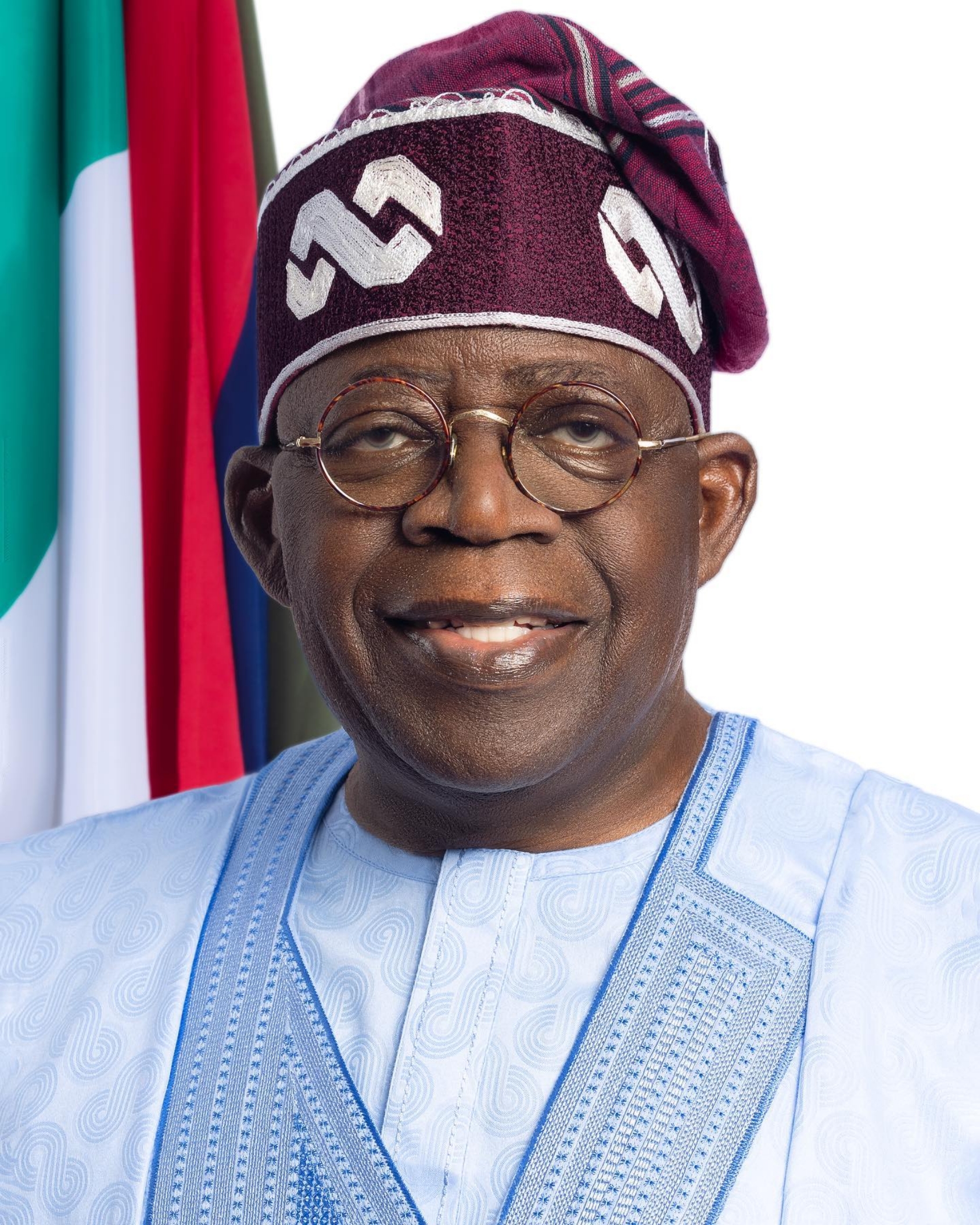
President Bola Tinubu has written the Senate, seeking the screening and subsequent confirmation of fifteen nominees to the National Human Rights Commission (NHRC).
The letter was read by the President of the Senate, Senator Godswill Akpabio.
The letter seeks the reconstitution of the commission’s board in line with statutory provisions with the list comprising nominees from diverse professional backgrounds, including the media and legal sectors.
Among the nominees are the President, Nigeria Guild of Editors and Editor, Vanguard Newspapers, Mr. Eze Anaba; and Dr. Salamatu Hussaina Suleiman, who has been proposed as chairman of the board.
The Executive Secretary of the Commission, Dr. Anthony Ojukwu (SAN) is to retain his position as the Chief Executive Officer.
Other nominees include Mrs Roseline Tasha, Ambassador Adam Yubak Baku, ACG Felix Lawrence, Mr. Edmund Chinonye, Mr. Chinonye Obiaku (SAN), Oluwakemi Asiwaju Okere-Odo, Professor Adedeji Ogunji, Kingsley Chidozie, Mohammed Adelodu, Maupe Ogun Yusuf, and Otunba Francis Meshioye as members.
Also nominated are Patience Patrick and Hawwa Ibrahim, listed as members.
The President said the nominations were made pursuant to Section 2(3) of the National Human Rights Commission (Establishment) Act, 2010, which empowers him to constitute the board subject to Senate confirmation.
He explained that the reconstitution of the board was necessary to enhance the commission’s institutional capacity and enable it to more effectively discharge its mandate to promote and protect human rights across the country.
If confirmed, the new board is expected to play a critical role in reinforcing the NHRC’s oversight functions, particularly at a time of heightened concerns over rights protection and accountability in Nigeria.
Following the presentation of the request, the Senate referred the nominations to its Committee on Judiciary, Human Rights and Legal Matters for screening and report within two weeks.
-

 News1 year ago
Senate to speed up conclusion of Nigeria Forest Security Service Bill
-

 News9 months ago
The Many Lies Against Bashir Haske
-

 News3 years ago
Breaking: Tinubu’s authentic ministerial nominees
-
 News3 years ago
“Anytime we want to kill terrorists, President would ask us to take permission from France but they were killing our soldiers-” Niger Republic coup leader
-
 News3 years ago
“I’m leaving the Catholic church because Bishop Onah is oppressing me,” says Okunerere
-

 News3 years ago
Radio Nigeria’s veteran broadcaster Kelvin Ugwu dies three months after retirement from service
-
 News3 years ago
Dokpesi and the Gazebo Mystique
-

 News3 years ago
Tsunami: Tinubu orders dissolution of managements, boards of MDAs, to sack all Buhari’s political appointees